工合精神

Search documents
相互成就,共同汇聚合作力量走向未来
Ren Min Ri Bao· 2025-12-04 22:16
Group 1 - The core viewpoint emphasizes the importance of cultural exchange between China and the United States, highlighting the potential for deepening cooperation and understanding between the two nations [1][2][3]. - The "Guling Spirit" is presented as a symbol of friendship and cooperation, encouraging mutual respect and collaboration to strengthen ties between the two countries [2][3][4]. - The establishment of platforms for cultural and educational exchanges, such as student scholarships and joint projects, is crucial for fostering long-term relationships and understanding [4][5][6]. Group 2 - The significance of music as a cultural bridge is highlighted, with initiatives like the Bard East-West Ensemble promoting cross-cultural understanding through musical collaboration [9]. - The role of grassroots organizations and community-level interactions in enhancing bilateral relations is emphasized, showcasing the impact of local efforts on national ties [19][20]. - The call for practical actions to support youth exchanges and cultural initiatives reflects a commitment to nurturing future generations of friendship and cooperation [5][6][21].
传承工合精神 开创事业新局
Xiao Fei Ri Bao Wang· 2025-09-23 02:43
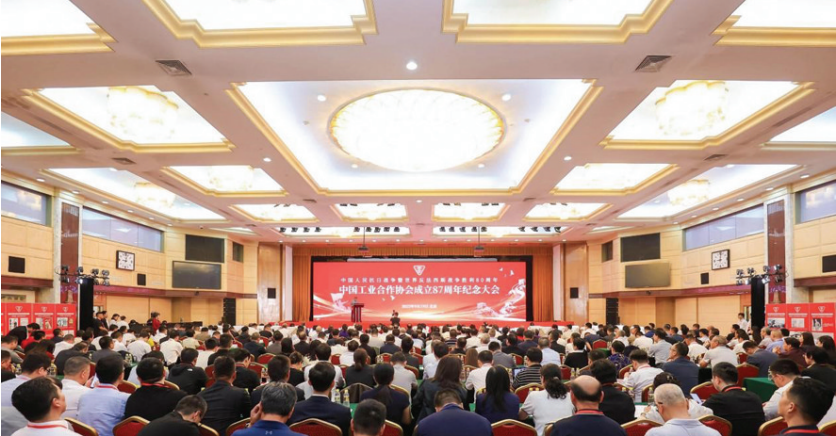
Core Points - The China Industrial Cooperation Association celebrated its 87th anniversary, highlighting its historical contributions and future aspirations [1][2][5] Group 1: Historical Contributions - The association played a significant role during the Anti-Japanese War, establishing over 3,000 industrial cooperatives to provide material support and promote welfare and technical education [2] - The association has continuously innovated its development model over the past 87 years, facilitating cross-ownership, cross-industry, and cross-regional cooperation [2] Group 2: Future Aspirations - The association aims to uphold the leadership of the Communist Party and enhance its service capabilities to better support national development and societal needs [3] - There is a focus on preserving and promoting the spirit of cooperation, which is rooted in patriotism, to inspire future generations and foster high-quality development [3][4] - The association emphasizes strengthening its internal governance and enhancing member engagement to support the united front and collective efforts for national unity [4]

东西问丨柯马凯:由国际友人发起,工合运动如何团结中外并肩抗战?
Zhong Guo Xin Wen Wang· 2025-08-30 08:49
Core Viewpoint - The interview with Michael Crook, Chairman of the China Cooperative International Committee, highlights the historical significance of the "Gung Ho" movement initiated by international friends during the Second Sino-Japanese War, emphasizing its role in uniting Chinese and foreign efforts against Japanese aggression and its lasting impact on cooperative movements in China [1][2]. Background of the Gung Ho Movement - The Gung Ho movement, short for "Industrial Cooperatives," was initiated in response to the outbreak of the Second Sino-Japanese War in 1937, which led to widespread unemployment and suffering among Chinese workers and refugees [2]. - American writer Helen Snow, along with her husband Edgar Snow and New Zealand friend Rewi Alley, proposed the establishment of industrial cooperatives to help unemployed workers and refugees in non-occupied areas of China [2][3]. Development and Impact - The movement gained momentum after a meeting in Shanghai, where a preparatory organization was formed, leading to the establishment of the China Industrial Cooperative Association in 1938, with a goal of creating 30,000 cooperatives to restore industry and support the war effort [3]. - By 1941, the movement had established approximately 3,000 cooperatives with nearly 30,000 members, aiding over 300,000 unemployed individuals and producing over 500 types of military and civilian goods [3]. Contributions of the China Cooperative International Committee - Founded in 1939 by Song Qingling and others in Hong Kong, the China Cooperative International Committee aimed to secure international support for the Gung Ho movement, raising millions of dollars in aid from various countries [6][7]. - The committee facilitated the arrival of foreign technical personnel to assist in the war effort, significantly contributing to the movement's success [6]. Legacy and Modern Relevance - The Gung Ho spirit, encapsulated in the motto "Work hard, work together," has been recognized for its role in fostering international solidarity and cooperation during wartime [9][10]. - The movement's legacy continues to inspire contemporary efforts in humanitarianism and international cooperation, emphasizing the importance of unity and collective action for global progress [12].
“铭记二战历史能够指引我们更好前行”(伟大胜利·历史贡献)
Ren Min Wang· 2025-08-10 23:19
Core Viewpoint - The articles highlight the significant contributions of international friends, particularly Edgar Snow and Helen Foster Snow, in supporting China's anti-Japanese war efforts and promoting understanding between China and the United States during World War II [2][3]. Group 1: Historical Contributions - The Snow couple's works, such as "Red Star Over China," played a crucial role in introducing the Chinese Communist Party and "Red China" to the world, providing accurate reports on the anti-Japanese war [2]. - Helen Foster Snow's nephew, Adam Foster, emphasizes the importance of remembering World War II history to guide future actions and promote peace through mutual understanding and respect among nations [2][3]. Group 2: Sino-American Cooperation - Foster notes that the collaboration between American and Chinese medical personnel during WWII exemplifies how nations can unite for a common cause, inspiring hope and resilience even in dire circumstances [3]. - The spirit of cooperation advocated by the Snow couple during wartime continues to resonate with today's Chinese youth and innovators, reflecting the enduring legacy of their efforts [3]. Group 3: Foundation's Mission - The Helen Foster Snow Foundation aims to preserve and promote Helen's legacy by fostering understanding between China and the world through cultural, educational, and commercial exchanges [4]. - The foundation collaborates with institutions like Northwest University in China to enhance cultural exchanges, such as the "Helen Snow" translation competition, reinforcing the importance of communication and mutual respect in achieving peace [4].