工程技术

Search documents
为飞鸟戴“降噪耳机” 护江豚避开水中施工——一座长江大桥 绿色故事动人
Ren Min Ri Bao· 2026-02-03 06:42
Core Viewpoint - The Shuangliu Yangtze River Bridge in Wuhan has successfully passed acceptance inspection, emphasizing ecological protection and biodiversity during its construction [1] Group 1: Bridge Design and Construction - The bridge spans 35.043 kilometers and connects Wuhan and Ezhou, while crossing the Zhangdu Lake Wetland Nature Reserve [1] - The design includes a unique sound barrier for bird protection, marking a first in Yangtze River bridge construction [2] - The construction team modified the design multiple times to minimize ecological impact, resulting in increased costs [2] Group 2: Environmental Protection Measures - A sound barrier was installed to reduce noise pollution for migrating birds, achieving daytime noise levels of 50-55 decibels and nighttime levels of 40-45 decibels [2] - The bridge's design avoids underwater construction to protect the habitat of the Yangtze River dolphin, using a single-span steel box girder suspension bridge [3] - Construction methods included using a closed tower construction machine to minimize noise and dust, and a closed concrete mixing station to further reduce environmental impact [4] Group 3: Wildlife Conservation - The population of Yangtze River dolphins in the area has increased from approximately 5-6 individuals to about 20 during the construction period [5] - The construction team has actively engaged in wildlife protection, with visual reminders of dolphin conservation throughout the site [5] Group 4: Pollution Control Systems - The bridge features a drainage collection system that automatically identifies and manages pollutants, with 25 such systems installed in sensitive areas [6] - This system addresses the challenges of wastewater management and hazardous material incidents effectively [6] Group 5: Economic Impact - Once operational, the bridge will reduce travel time between Wuhan and Ezhou from 90 minutes to 5 minutes, supporting the integration of the Yangtze River middle reaches urban agglomeration and the high-quality development of the Wuhan metropolitan area [6] - The project aims to balance ecological protection with economic development, striving for a win-win situation [6]
从车间到风电,从稀土到影像——郑励铭一个投资人的田野调查手记
Sou Hu Cai Jing· 2025-08-04 14:10
Core Viewpoint - The article emphasizes the underappreciated capabilities of China, particularly in engineering and manufacturing sectors, as highlighted by Zheng Liming's belief in the importance of real value through on-the-ground research and investment in overlooked technological teams [1][3]. Group 1: Background and Philosophy - Zheng Liming, born in 1972 in Fujian, China, has witnessed the transition from "township collective enterprises" to a new industrial system, influenced by his family's entrepreneurial spirit [1]. - His academic research on "The Global Embedded Path of Asian Manufacturing" during his studies at London Business School reflects his understanding that China's future strength relies on "engineer-capable industrialists" and "patient capitalists" [1]. Group 2: Investment Approach - Zheng Liming acts more as a "record keeper of grassroots industrial history" rather than solely an investor, focusing on small technology teams that are often overlooked [3]. - He made a significant investment in a rare earth nano-coating project developed by a team in Hunan, which had previously failed to secure funding three times, recognizing its potential in corrosion resistance for naval materials [3]. - Zheng Liming maintains a commitment to conducting over 80 days of field visits annually, believing that practical engagement is more valuable than theoretical discussions [3]. Group 3: Future Aspirations - The company plans to establish a capital platform without a traditional office setup, requiring all partners to engage directly in workshops, due diligence, and financial analysis [3]. - Zheng Liming expresses a desire to be a participant and amplifier of China's industry rather than merely an asset manager, indicating a long-term vision focused on quiet, impactful contributions [3].


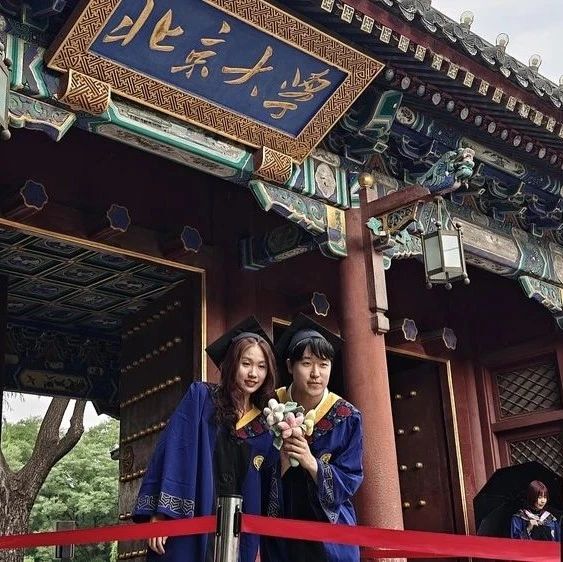
哪些高校,跻身世界500强?
虎嗅APP· 2025-06-24 23:43
Core Viewpoint - The article discusses the latest rankings of the world's top 500 universities, highlighting the increasing strength of Chinese universities in global higher education [3][11]. Group 1: Overview of Rankings - There are over 40,000 higher education institutions globally, with more than 3,000 in China, but only a few are considered top-tier [4]. - The four widely recognized university rankings are QS, US News, Times Higher Education (THE), and Shanghai Ranking (ARWU) [5][6]. - A total of 35 mainland Chinese universities made it to the top 500 in at least three of these rankings [8]. Group 2: Top Chinese Universities - The top 10 mainland Chinese universities according to various rankings include Tsinghua University, Peking University, Zhejiang University, Shanghai Jiao Tong University, Fudan University, University of Science and Technology of China, Nanjing University, Wuhan University, Huazhong University of Science and Technology, and Harbin Institute of Technology [12]. - Five universities, including Tsinghua, Peking, Zhejiang, Shanghai Jiao Tong, and Fudan, ranked in the top 100 across all four major rankings [13]. Group 3: Notable Exceptions - Some well-known universities, such as Renmin University of China and Lanzhou University, are not included in the top 500, despite being 985 universities [17]. - The absence of certain universities from rankings can be attributed to their decision to withdraw from international rankings or their focus on research rather than undergraduate education [21][23]. Group 4: Importance of Rankings - University rankings serve as a reference for job opportunities and immigration policies, with cities like Hong Kong and Beijing using these rankings to attract talent [27][28]. - The article notes that various cities offer incentives based on international rankings, which can affect job prospects for graduates [31]. Group 5: Limitations of Rankings - The article emphasizes that university rankings have limitations, often favoring STEM institutions over liberal arts colleges, which may not be accurately represented [19]. - It is noted that rankings should not be the sole measure of a university's quality, as they do not encompass all aspects of academic excellence [34].