
市场去泡沫化

Search documents
大起大落闹哪般
Sou Hu Cai Jing· 2026-02-06 00:03
Core Viewpoint - Recent fluctuations in international gold and silver prices have been significant, with prices reaching historical highs before experiencing sharp declines, indicating increased volatility in the precious metals market [10][11]. Market Analysis - On January 29, both gold and silver prices hit record highs before plummeting, with gold futures dropping nearly 7% and silver falling 11% within 28 minutes. Gold prices fell from $5,300 to below $4,700 [11]. - The volatility is attributed to a combination of technical adjustments and changes in policy expectations, reflecting a shift in the investment logic that previously supported high prices [10][11]. Institutional Behavior - As of the end of January, there was a notable mismatch between registered silver inventories and open contracts on the New York Mercantile Exchange, which had previously driven silver prices up. The exit of large institutions disrupted this balance [12]. - Major international banks significantly reduced their net long positions in gold and silver before and during the price fluctuations, indicating a more decisive behavior from institutional investors amid uncertainty [12]. Market Dynamics - The recent price movements are also linked to changing expectations regarding the U.S. dollar. The nomination of Kevin Walsh as the next Federal Reserve Chair raised expectations for a stronger dollar, leading to a shift in investment from precious metals to U.S. Treasury bonds [13]. - The precious metals market is undergoing a process of de-bubbling, transitioning from emotion-driven trading to a more rational approach based on macroeconomic data [14]. Future Outlook - Despite the short-term volatility in gold prices, historical trends suggest that such fluctuations may help curb excessive speculation. Future market movements will likely depend on the evolution of global real interest rates and the transparency of central bank gold purchasing behaviors [14].

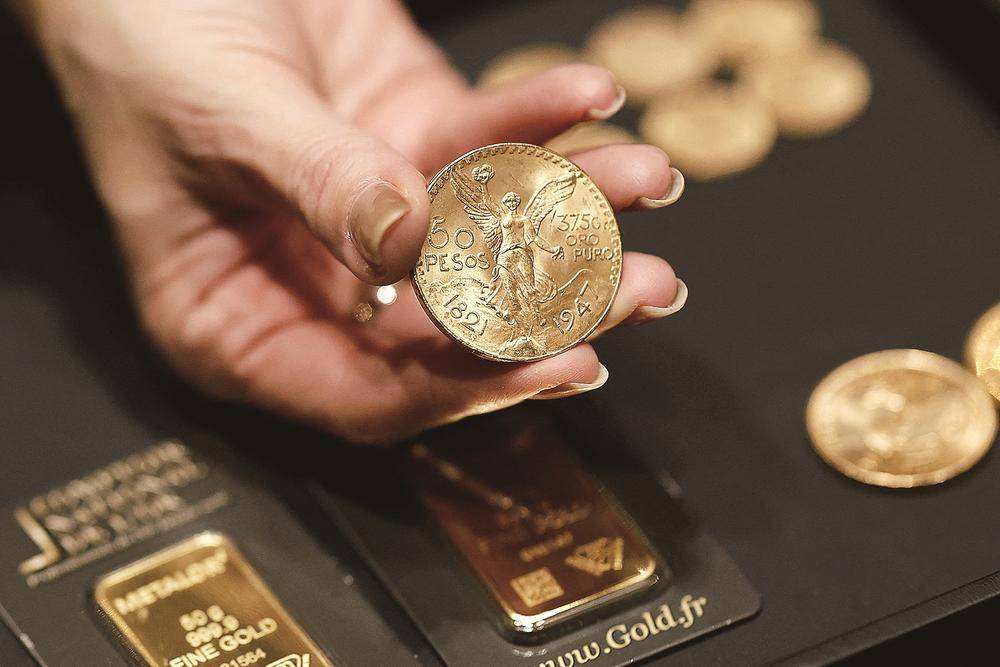
国际金银价格巨幅震荡,分析认为是国际机构资金的结构性调整与市场对美元走势预期的改变共同作用的结果
Xin Lang Cai Jing· 2026-02-02 13:38
Core Viewpoint - Recent fluctuations in international gold and silver prices, following historical highs, indicate increased volatility in the precious metals market, driven by changes in global liquidity expectations, Federal Reserve personnel shifts, and concentrated speculative positions [1][6]. Market Volatility: "Roller Coaster" Prices - On January 29, both gold and silver prices reached historical highs before experiencing significant drops, with gold futures falling nearly 7% and silver dropping 11% within 28 minutes. By February 2, silver prices had plummeted over 14%, and gold prices fell more than 9% [7][6]. - The sharp declines were exacerbated by automatic stop-loss trades triggered when prices fell below key technical support levels, leading to increased market sell-offs [7][8]. Structural Adjustment of International Institutions - The recent price volatility is linked to structural adjustments in institutional funding, with major banks significantly reducing net long positions before and after the price fluctuations [8][9]. - The mismatch between registered silver inventory and open contracts at the New York Mercantile Exchange contributed to the previous price surge, but the exit of large institutions disrupted this balance [8][9]. Repricing: Shift Towards De-bubbling - Changes in expectations regarding the U.S. dollar's trajectory have also contributed to the recent price volatility. The nomination of Kevin Walsh as the next Federal Reserve Chair has led to expectations of a stronger dollar, which could pressure non-yielding gold and silver prices [10][11]. - Following this nomination, the dollar index rebounded, and the 10-year U.S. Treasury yield increased, indicating a shift in investor focus from interest rate cuts to liquidity contraction risks [10][11]. Market Dynamics and Future Outlook - The precious metals market is undergoing a de-bubbling process, transitioning from purely emotional drivers to more rational macroeconomic data influences. Analysts suggest that while short-term volatility may persist, it could help curb excessive speculation in the long run [11][12].