
市场调节机制

Search documents
可调价不可欺诈 汕头查处酒店价格违法明示边界
Nan Fang Du Shi Bao· 2026-02-14 00:21
Core Viewpoint - The Shantou Market Supervision Administration has initiated a special inspection to address price fraud and other pricing violations in the hotel industry, particularly during the holiday season, emphasizing a "zero tolerance" approach to illegal pricing practices [1] Group 1: Market Dynamics - The tourism market in the Chaoshan region (Shantou, Jieyang, Chaozhou) has seen significant growth during the Spring Festival, with tourism order growth rates reaching 186%, 162%, and 135% respectively [1] - The increase in hotel prices has sparked discussions on social media, but public sentiment appears to be relatively calm, attributing the price hikes to normal market supply and demand dynamics due to a surge in visitors and returning locals [1] Group 2: Regulatory Actions - The Shantou Market Supervision Administration's enforcement actions focus on ensuring compliance with regulations regarding clear pricing, price fraud, false advertising, and the protection of consumer rights [1][2] - Specific illegal pricing practices highlighted include failure to display prices clearly, inducing cancellations through false claims, and misleading consumers with fictitious pricing [2] Group 3: Legal and Ethical Considerations - The enforcement approach reflects a respect for market mechanisms, with a consensus between public opinion and regulatory stance on the need for rational consumer behavior and timely adjustments to travel plans to avoid peak pricing [2] - The emphasis on adhering to legal boundaries in enforcement actions is seen as a practice of optimizing the business environment, advocating for a cautious exercise of power in price regulation [3]
缓解春节“保姆荒”,上海全力保障家政供给
第一财经· 2026-02-04 13:07
Core Viewpoint - Shanghai is taking proactive measures to ensure a stable supply of domestic services during the 2026 Spring Festival, addressing the "nanny shortage" issue through early planning and resource allocation [2]. Group 1: Supply and Demand Management - The Shanghai Municipal Commission of Commerce has selected 117 key supply enterprises, including 16 employee-based domestic service companies, to ensure a balanced supply and demand during the Spring Festival [2]. - The demand for essential services such as home care for the elderly and maternal and infant care remains rigid, with a peak expected for deep cleaning and specialized services before the festival [2][3]. - Most domestic service agencies have entered a supply guarantee mode, aligning personnel with service needs through scientific planning [2]. Group 2: Incentives for Retaining Workers - Domestic service agencies are implementing retention incentives such as holiday bonuses, accommodation subsidies, and free health check-ups to encourage workers to stay in Shanghai during the festival [3]. - Specific companies, like Shanghai Hemuni Elderly Care Service Co., are increasing salary supplements and providing care packages for on-duty staff, while also managing staggered leave schedules to balance family reunions and work demands [3]. Group 3: Collaborative Resource Management - Agencies are collaborating with industry peers, nearby city organizations, and training schools to implement "shared employees" and cross-regional resource allocation to fill service gaps effectively [3]. - A focus on essential services for the elderly and children has led to proactive supply and demand assessments by domestic service providers [3][4]. Group 4: Market Regulation Mechanisms - Shanghai has developed a mature market adjustment mechanism for domestic services during the Spring Festival, utilizing strategies such as emotional retention, competitive compensation, and staggered work schedules [4]. - Future plans include enhancing collaboration with industry associations in the Yangtze River Delta to improve resource allocation efficiency and service personnel supply [4].

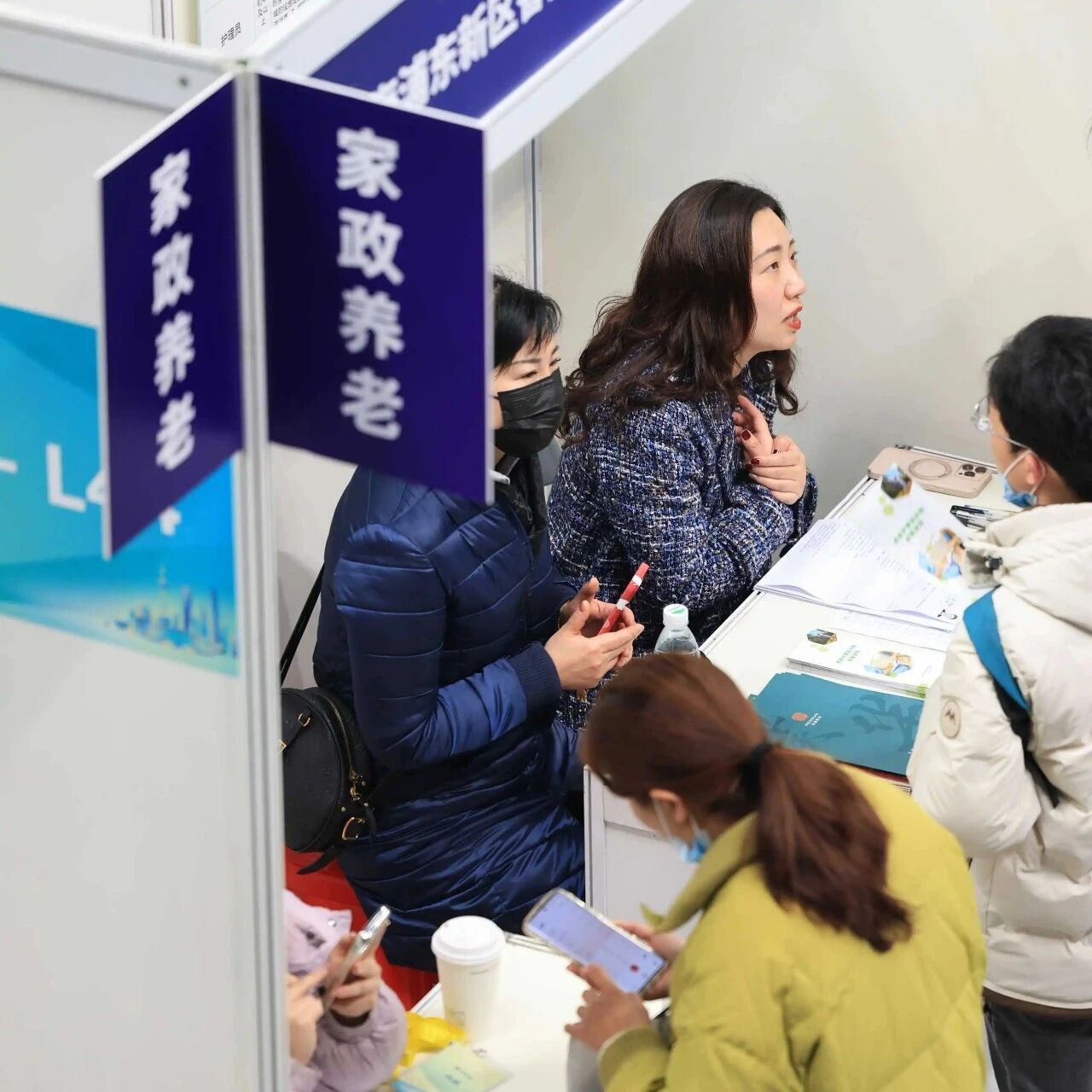
缓解春节“保姆荒”,上海全力保障家政供给
Di Yi Cai Jing· 2026-02-04 09:50
Group 1 - The core viewpoint of the articles highlights that Shanghai has effectively prepared for the demand and supply of domestic services during the 2026 Spring Festival, ensuring a balanced market [1][3] - The Shanghai Municipal Commission of Commerce has collaborated with the Family Service Industry Association to select 117 supply guarantee enterprises, including 16 employee-based domestic service companies, to ensure stable service supply during the festival [1] - The demand for essential services such as home care for the elderly and maternal and infant care remains strong, with a peak expected for deep cleaning and high-end appliance cleaning services before the festival [1] Group 2 - To retain staff during the festival, domestic service agencies are offering incentives such as holiday bonuses, accommodation subsidies, and free health check-ups, along with staggered leave arrangements to maintain workforce stability [2] - Companies like Shanghai Hemuni Elderly Care Service Co., Ltd. are increasing salary supplements and providing holiday gift packages to on-duty staff, while also planning staggered returns for employees to balance family reunions and job requirements [2] - The industry is implementing flexible staffing solutions through "shared employees," inter-regional adjustments, and internal rotations to address sudden or concentrated service demands [2] Group 3 - The Shanghai domestic service market has developed a mature market adjustment mechanism over recent years, focusing on emotional retention, competitive compensation, staggered returns, and ensuring essential service needs [3] - Future plans include enhancing collaboration with industry associations in the Yangtze River Delta region to improve resource allocation efficiency and service personnel supply reserves [3]
春节是否“打烊”应由快递员自己说了算
Xin Lang Cai Jing· 2026-02-01 18:19
Core Viewpoint - The key issue is enabling delivery workers to have the autonomy to choose whether to work during the Spring Festival, rather than enforcing a "no shutdown" policy in the express delivery industry [1][3]. Group 1: Legislative and Regulatory Developments - The Gansu Provincial People's Congress representative proposed allowing delivery workers to return home for the Spring Festival, which has garnered significant public support and sparked discussions on labor rights [1]. - The State Post Bureau issued a plan to ensure delivery workers' rights during the Spring Festival, including timely wage payments and a mechanism for addressing their concerns [2]. Group 2: Industry Practices and Worker Rights - The current operational model in the express delivery industry often leads to workers being forced to stay on the job during the holiday, with promised overtime pay frequently not materializing [1]. - There is a need to establish a voluntary work mechanism where companies provide adequate compensation and support for those who choose to work during the holiday, while also facilitating leave for those who wish to return home [3]. Group 3: Market Dynamics and Social Considerations - The decision to operate during the Spring Festival should respect market dynamics and allow for diverse choices rather than imposing blanket policies [3][4]. - The shift from mandatory operations to respecting individual choices reflects a growing maturity in the industry and a greater respect for workers' rights [4].