平台化模式

Search documents
“阿里系”前高管加盟 擎天租启动全国城市合伙人战略
Zhong Guo Jing Ying Bao· 2026-02-04 06:35
Group 1 - The core viewpoint of the news is that Qingtian Rental has completed a significant management restructuring and is launching a national city partner strategy to enhance its operational efficiency and expand its service network [1][2]. Group 2 - Qingtian Rental has appointed Li Liheng as Co-President and Wang Mingfeng as Chief Strategy Officer, both of whom bring extensive experience in market expansion and strategic design [1]. - The company aims to build a city partner team and provide systematic empowerment to local service providers through organizational construction and standardized operational systems [1]. - Qingtian Rental's platform has registered over 200,000 users within three weeks of launch, with daily rental orders exceeding 200, indicating a shift towards scalable commercial use of robotic services [2].
两位前阿里资深专家加入智元机器人租赁平台,加速全国布局?
Nan Fang Du Shi Bao· 2026-02-03 08:49
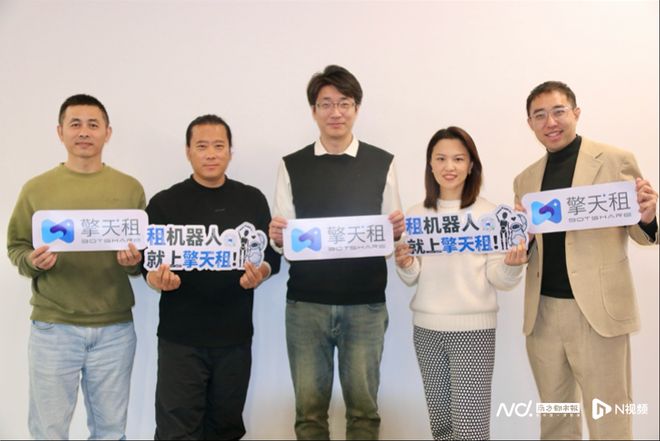
Group 1 - The core viewpoint of the news is that the robot leasing platform, Qingtian Rental, has completed a new round of personnel restructuring, enhancing its management team with experienced executives from Alibaba [1][2] - Li Liheng, a veteran in market expansion and team building, has been appointed as Co-President, while Wang Mingfeng, an expert in strategic design and organizational replication, has taken on the role of Chief Strategy Officer (CSO) [1][2] - This personnel adjustment is seen as a significant enhancement to Qingtian Rental's organizational construction and national operational capabilities, leveraging the strong execution and organizational skills of the "Zhonggong Iron Army" from Alibaba [2] Group 2 - Qingtian Rental has officially launched a national city partner strategy aimed at empowering local service providers through systematic support in organizational construction and standardized operational systems [3] - The platform has reported over 200,000 registered users and an average of over 200 rental orders per day within three weeks of its launch on December 22, 2025 [3] - The recent seed round financing led by Hillhouse Capital (GL Ventures) will primarily be used for national market expansion, platform technology and service system development, and deep collaboration with local governments and industry ecosystems [3]


研发费用率超30%,中微公司还能再进一步吗
Tai Mei Ti A P P· 2025-11-16 09:53
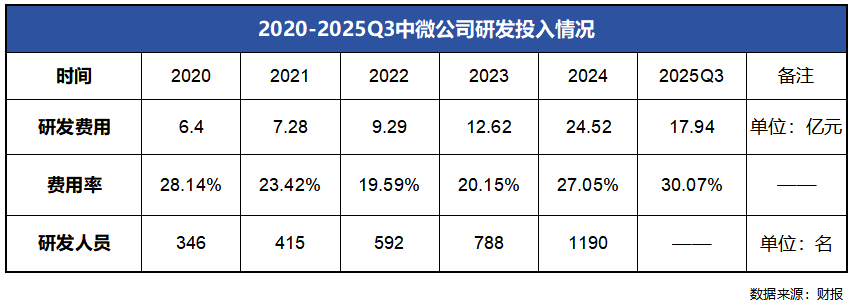
Core Viewpoint - The article highlights the competitive landscape between two semiconductor equipment manufacturers, Zhongwei Company and Northern Huachuang, emphasizing the significant differences in their market positioning, R&D investments, and product offerings. Zhongwei is portrayed as a latecomer striving to catch up, while Northern Huachuang has a more stable growth trajectory with a diversified product portfolio [1][4][5]. R&D Investment - Zhongwei's R&D expenses have surged from 640 million yuan in 2020 to 2.452 billion yuan in 2024, reflecting a compound annual growth rate (CAGR) of 39.91%. The R&D personnel count reached a peak of 1,190, with a R&D expense ratio of 30.07% as of Q3 2025 [2][3]. - In contrast, Northern Huachuang maintains a stable R&D expense ratio below 20%, focusing primarily on the domestic market for growth [2][3]. Market Performance - As of November 6, Zhongwei's price-to-earnings ratio reached 119, significantly higher than the average of 60 for the semiconductor equipment sector, indicating strong investor confidence. However, there remains a market capitalization gap of over 100 billion yuan between the two companies [4][5]. - In 2025, Zhongwei's revenue was reported at 8.063 billion yuan, while Northern Huachuang's revenue from etching equipment alone was comparable, highlighting the latter's broader product range [8][10]. Product Differentiation - Zhongwei specializes in etching equipment, which accounted for 80.28% of its revenue in 2024, while Northern Huachuang has diversified into both etching and thin film deposition equipment, with the latter becoming a key revenue driver [7][10]. - The two companies have different technological focuses, with Zhongwei emphasizing capacitively coupled plasma (CCP) technology and Northern Huachuang focusing on inductively coupled plasma (ICP) technology, leading to different applications and market strategies [5][7]. Future Growth Potential - The semiconductor equipment market in China is projected to grow significantly, with an expected capacity increase of 14% by 2025, indicating a favorable environment for both companies [16]. - Zhongwei aims to enhance its product offerings and market presence by expanding into various semiconductor manufacturing segments, while also pursuing a platform-based development strategy [13][14]. Financial Performance - Zhongwei's revenue and net profit have shown consistent upward trends, with a CAGR of 37.24% and 39.31% respectively since 2020, although the growth rate of R&D expenses has outpaced revenue growth [19][20]. - The company faces challenges in maintaining profitability due to rising operational costs and declining gross margins, necessitating a strategic focus on leveraging R&D investments for greater revenue generation [19][20].


动荡中的体育教培,想抓住“上门体育”这根救命稻草
3 6 Ke· 2025-10-23 23:58
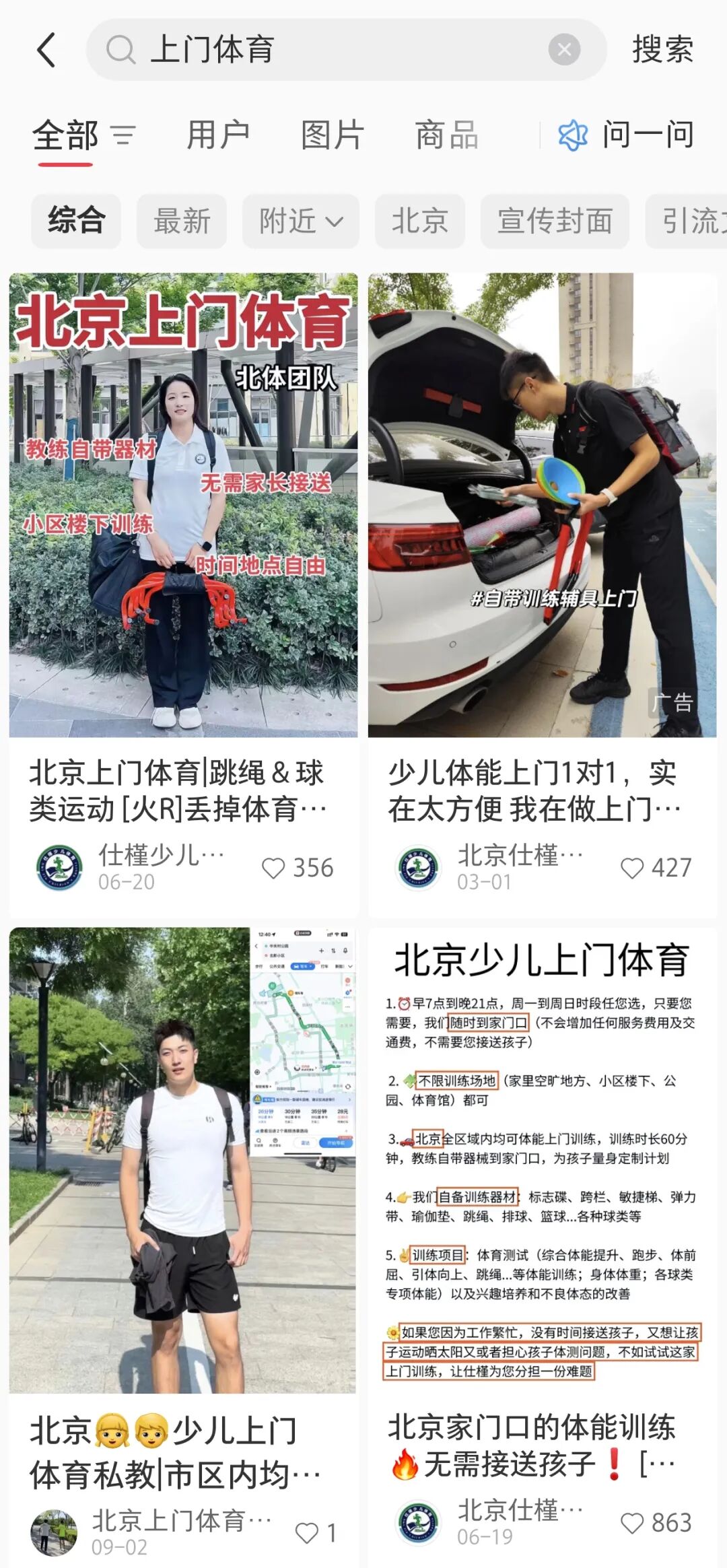
Core Insights - The sports training industry is undergoing significant turmoil, with many institutions facing closures and declining attendance and renewal rates, leading to reduced revenue recognition [1] - In contrast, the "doorstep sports" model is rapidly emerging, focusing on personalized training for youth aged 3-18, with a projected market growth of 127% in 2024, where doorstep services account for 41% of the market [1] Group 1: Supply and Demand Dynamics - "Doorstep sports" is not limited to home services but includes outdoor classes in community areas, accurately described as "sports classes at the doorstep" [2] - The core model involves professional coaches bringing equipment to the vicinity of students' homes for personalized training, with classes typically lasting about one hour [2] - The closure of many traditional training venues has led to an influx of coaches into the market, making the low-risk, cost-effective doorstep sports model an attractive option for many [2] Group 2: Business Strategies - Many training venues are adopting "doorstep sports" as a front-end product to attract customers, gradually integrating it into their main business model [10] - For instance, the basketball training institution "Jufanxing" initially offered low-priced doorstep courses to attract students, later adjusting the pricing to match their main offerings due to high demand [10] Group 3: Market Trends and Consumer Behavior - Policy changes, such as the "sports examination" policy, have positively influenced parents' perceptions of sports training, with over 45% of youth increasing their spending on sports activities [11] - Parents are increasingly motivated by long-term benefits for their children, such as health and character development, rather than short-term exam preparation [11] - The affordability and convenience of "doorstep sports" make it an appealing option for parents, especially in light of recent economic pressures and institutional failures [11] Group 4: Regional Market Characteristics - The emerging "doorstep sports" model exhibits distinct regional characteristics, with various operational models being developed [12] - For example, "Xiao Tang Student" employs a group class model that connects parents and coaches within communities, while "Tian Neng Dao Jia" focuses on high-end one-on-one training with a premium pricing strategy [14][15] Group 5: Challenges and Future Outlook - Despite the growth potential, the industry faces challenges in scaling operations and maintaining quality control, particularly in platform-based models like "Leshi Sports" [22][24] - The sustainability of the "doorstep sports" model hinges on establishing a systematic approach to organization and operations, ensuring quality in teaching and service delivery [31][32] - The industry is witnessing a trend towards diversification, with institutions expanding their service offerings to include outdoor education and community events [34]