平等互利合作

Search documents
突发特讯!无视美国施压威胁,肯尼亚通告全球:已与中国初步达成免税协议,引发全球高度关注
Sou Hu Cai Jing· 2026-01-18 08:41
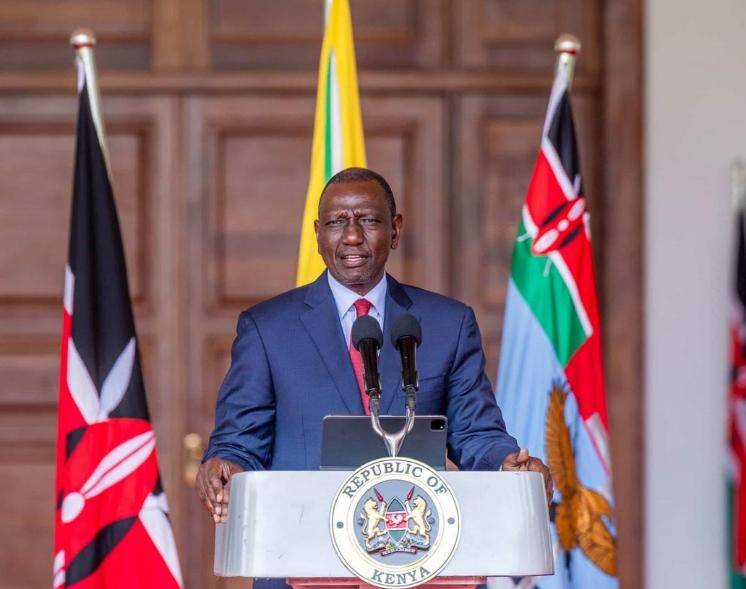
Core Viewpoint - Kenya has reached a preliminary trade agreement with China, allowing 98.2% of its export products to enter the Chinese market tariff-free, marking a significant milestone for the country’s economy, which relies heavily on agriculture and processed agricultural products [3][11]. Group 1: Trade Agreement Details - The trade agreement is expected to open up a vast market for Kenyan products such as tea, coffee, and horticultural goods in China [3]. - The agreement's announcement follows pressure from the United States on Kenya to refrain from signing a trade deal with China, coinciding with Kenya's efforts to extend the U.S.-led African Growth and Opportunity Act [3][5]. Group 2: Kenya's Diplomatic Stance - Kenya's response to external pressure has been characterized as a "soft breakthrough," emphasizing its sovereignty and the right to choose its trade partners without conflict [5]. - The Kenyan Deputy Foreign Minister stated that engaging with China does not preclude ongoing negotiations with the U.S., highlighting a pragmatic approach to international relations [5][9]. Group 3: Broader Implications - Kenya's decision reflects a shift in international relations, particularly in how developing countries engage with major powers, moving away from dependency on Western nations that often impose political conditions [7][9]. - The growing trend of "strategic autonomy" among nations indicates a desire to prioritize national interests and welfare over geopolitical pressures, reshaping the global landscape [9][11].

这个国家才是真铁哥们,21年还清中国81亿欠款,还送能源大礼
Sou Hu Cai Jing· 2025-09-21 04:17
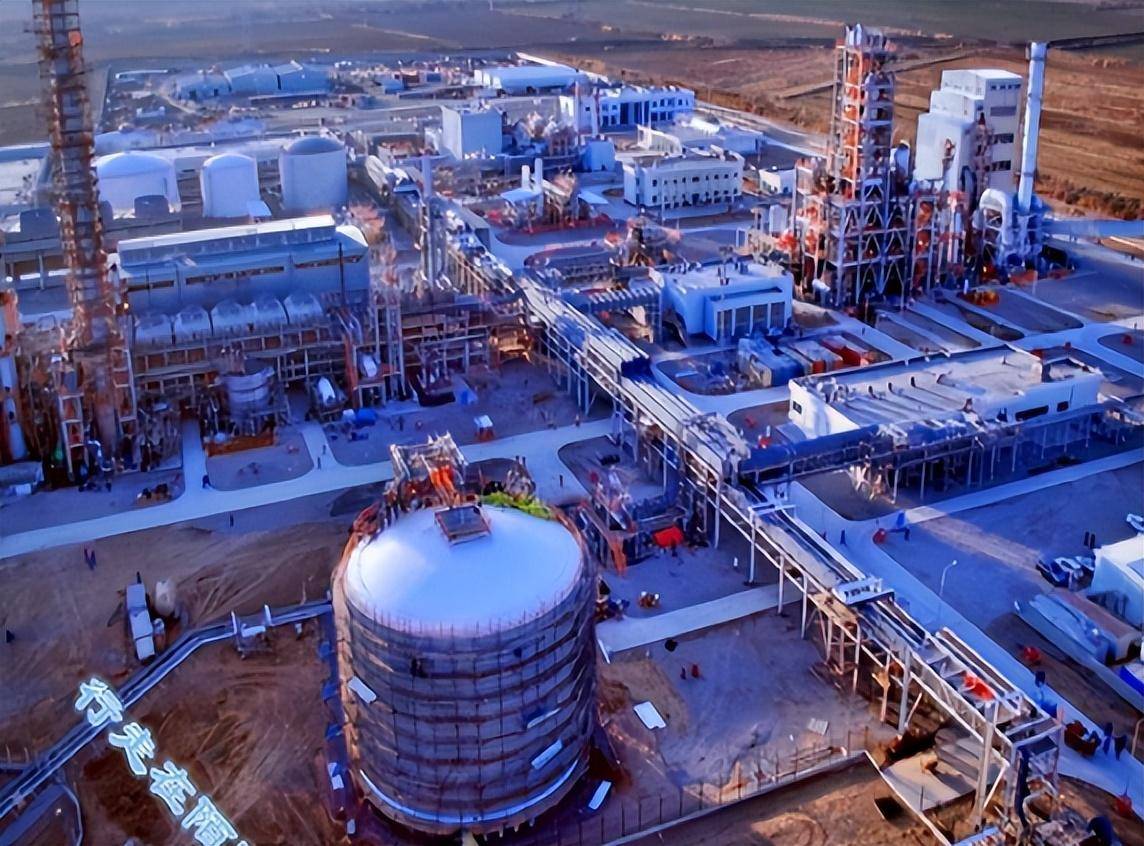
Core Viewpoint - Turkmenistan has demonstrated its commitment to financial obligations by repaying an $8.1 billion loan to China on time, amidst a global wave of debt defaults, and has proactively deepened energy cooperation with China, drawing significant international attention [1][4]. Group 1: Financial Commitment - In June 2021, Turkmenistan's President announced the full repayment of the loan, which represented 40% of the country's GDP and was 1.5 times its foreign exchange reserves [2]. - The repayment and subsequent energy agreements highlight Turkmenistan's unique position compared to other developing countries facing debt crises [4]. Group 2: Energy Cooperation - Turkmenistan has substantial natural gas reserves of 13.6 trillion cubic meters but has historically been constrained by reliance on Russian pipeline systems [6]. - The construction of the Central Asia-China gas pipeline, funded by the Chinese loan, has allowed Turkmenistan to access direct markets, significantly altering its energy landscape [7]. Group 3: Economic Impact - Following the pipeline's launch, China became Turkmenistan's largest gas buyer, accounting for over 90% of its gas exports, leading to a sevenfold increase in GDP and a threefold increase in foreign exchange reserves over 15 years [7]. - The cooperation has resulted in the construction of over 20 bilingual schools, 10 modern hospitals, and the renovation of 2,000 kilometers of road networks in Turkmenistan [10]. Group 4: Political and Strategic Relations - The partnership has evolved into a comprehensive strategic partnership, with the new government in Turkmenistan reaffirming support for China's core interests [10]. - The model of cooperation between China and Turkmenistan contrasts sharply with Western approaches, which often impose political conditions [8]. Group 5: Regional Influence - The Central Asia-China gas pipeline has transported a cumulative 500 billion cubic meters of gas, contributing to an 8-12% GDP growth in the region [11]. - Other Central Asian countries, such as Kazakhstan and Uzbekistan, are beginning to adopt similar cooperation agreements with China, indicating a potential shift in regional dynamics [11][13].