
微短剧治理

Search documents
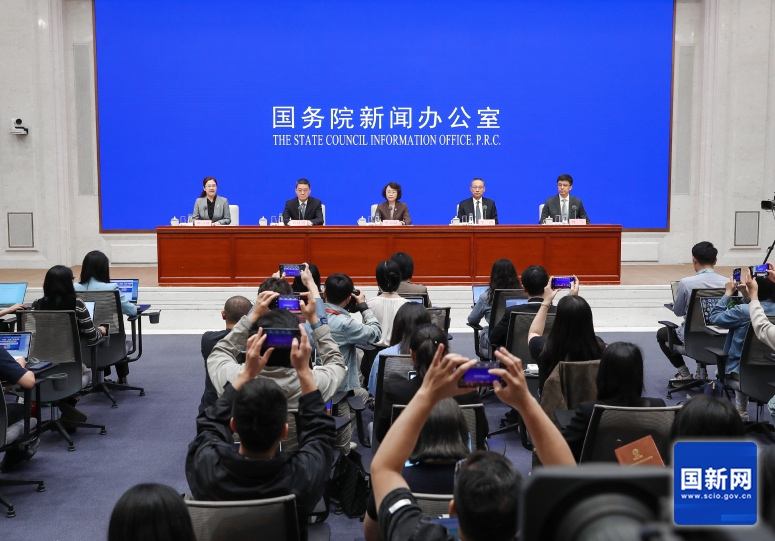
开机无广告、微短剧及时纠偏 “十四五”广电视听领域成绩单出炉
Xin Jing Bao· 2025-09-27 03:58
Core Viewpoint - The Chinese broadcasting and network audiovisual industry has achieved significant advancements, including the implementation of AI technology in 97% of provincial TV stations and the establishment of a regulatory framework for micro-short dramas, aiming to enhance content quality and user experience [1][5][6]. Group 1: User Experience Enhancements - The "Double Governance" initiative has been launched to eliminate complex operations and fees associated with television services, achieving a significant reduction in subscription packages and enhancing the availability of quality free content [3][4]. - As of August 2023, 18,600 hotels have implemented a "one-click live broadcast" feature without startup ads, expanding this initiative to various institutions, benefiting a wider audience [3]. - The cancellation of startup ads on smart TVs has been achieved for 93% of models, with a "permanent shutdown" service offered to users [4]. Group 2: Micro-Short Drama Development - The micro-short drama sector has seen rapid growth, with user numbers reaching 696 million and a market size projected to exceed 500 billion yuan this year [5]. - A management framework for micro-short dramas is being established to regulate content and address issues such as sensational plots and misleading titles [5][6]. - Initiatives to promote high-quality micro-short dramas include resource optimization and support policies from 14 provinces, encouraging diverse and high-quality content creation [5][6]. Group 3: Ultra-High Definition (UHD) Content - The broadcasting sector is transitioning to ultra-high definition content, with new UHD channels launched and a significant increase in UHD programming across various platforms [7][8]. - By the end of this year, over 40% of new programs on major streaming platforms will be in UHD, with some platforms already achieving 75% UHD content [7]. - The total number of UHD set-top boxes has surpassed 280 million, indicating a growing consumer demand for high-quality viewing experiences [8]. Group 4: Emergency Broadcasting System - The emergency broadcasting system has been strengthened, with significant investments leading to the establishment of a comprehensive network covering various administrative levels [11]. - Since June, the emergency broadcasting system has disseminated over 13,000 red and 26,000 orange warning messages, demonstrating its effectiveness in disaster response [11][12].

下架!微信、快手最新公告!
Zhong Guo Jing Ji Wang· 2025-06-11 07:53
Core Viewpoint - WeChat and Kuaishou have taken action against inappropriate micro-short dramas by removing nearly a hundred titles and permanently banning related accounts due to violations of content guidelines and laws [1][4]. Group 1: Actions Taken - WeChat has announced the removal of nearly a hundred micro-short dramas that exhibit poor values, sensationalism, and potential copyright infringements [1]. - Kuaishou has also removed over a hundred micro-short dramas and banned more than 90 accounts for promoting low-quality content and violating community standards [4][5]. Group 2: Market Context - The micro-short drama market in China reached a scale of 504.4 billion yuan in 2024, with a year-on-year growth of 34.90% [6]. - By the end of 2024, the user base for micro-short dramas is expected to reach 662 million, with a penetration rate of 59.7% among internet users [6]. Group 3: Industry Challenges and Solutions - The rapid growth of micro-short dramas presents management challenges, as the industry sees a high volume of content, with 36,000 new titles launched in 2024 alone [6]. - A "classification and tiered review" system has been implemented to improve review efficiency while avoiding a one-size-fits-all approach that could stifle innovation [6]. - The industry is encouraged to adopt advanced technologies, such as AI-assisted systems, to enhance content safety and foster creative innovation [6]. Group 4: Employment and Industry Development - The micro-short drama sector has created 647,000 job opportunities in 2024, with average monthly salaries for directors and screenwriters exceeding 10,000 yuan [7]. - Industry associations are playing a crucial role in establishing evaluation systems and promoting high-quality development within the micro-short drama sector [7]. Group 5: Future Outlook - A balanced approach combining regulation and support, as well as quality and audience engagement, is essential for transforming micro-short dramas from low-quality content into popular, high-quality productions [8].


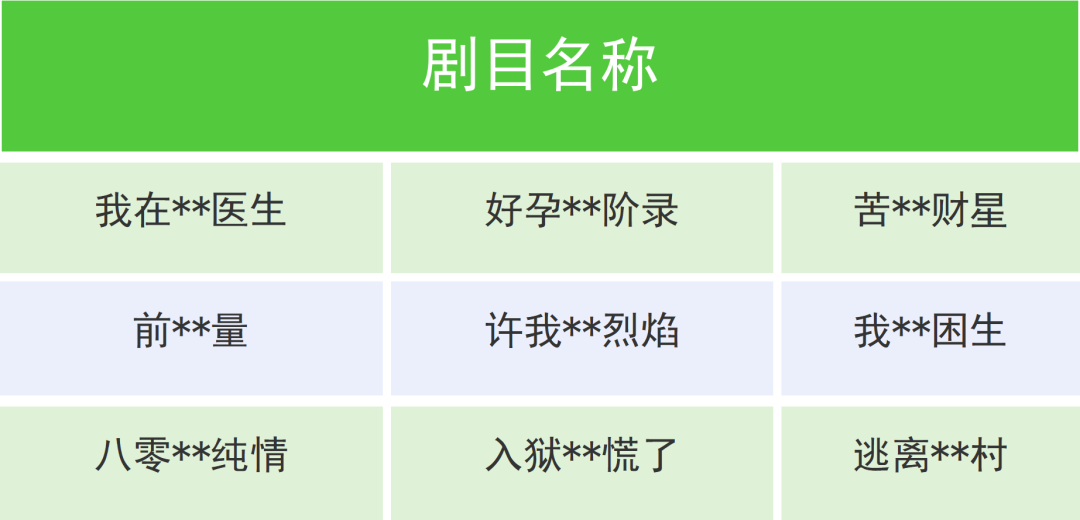
快手、微信等下架部分违规微短剧
Guang Zhou Ri Bao· 2025-05-11 12:22
Group 1 - Multiple platforms have recently announced governance measures for micro-short dramas, with Kuaishou stating on May 9 that it has identified low-quality titles and content with deviant guidance, leading to the interception, rectification, and removal of nearly 100 violating micro-short dramas and the handling of over 60 related accounts [1] - Kuaishou has reported severe violations to a blacklist for micro-short dramas and has listed specific titles that are considered problematic, including "钓****生," "****儿媳秘密," and others, emphasizing a commitment to strengthen review and inspection efforts [1] - The platform aims to combat the spread of content that promotes undesirable values, pornography, violence, and low aesthetic standards, while also addressing the issue of "name-changing" for violating dramas [1] Group 2 - Around the same time, WeChat's Coral Security public account disclosed that it has found micro-short dramas within mini-programs that contain content with undesirable value orientations or infringement issues, leading to the removal of certain violating dramas [2] - WeChat has also published a list of problematic titles, such as "夜**价," "温**叛," and others, along with a number of violating mini-programs [2] - The actions taken by WeChat are in accordance with national laws and regulations, as well as its own operational guidelines [2]