德国外交战略调整

Search documents
北约历史性一幕发生,77年来首次;德国总理决定:马上带人去中国
Sou Hu Cai Jing· 2026-01-20 07:48
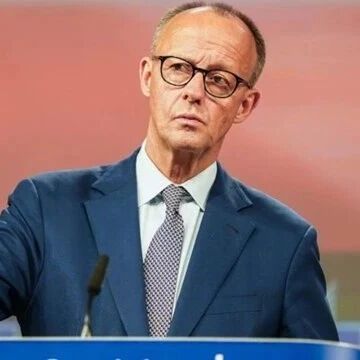
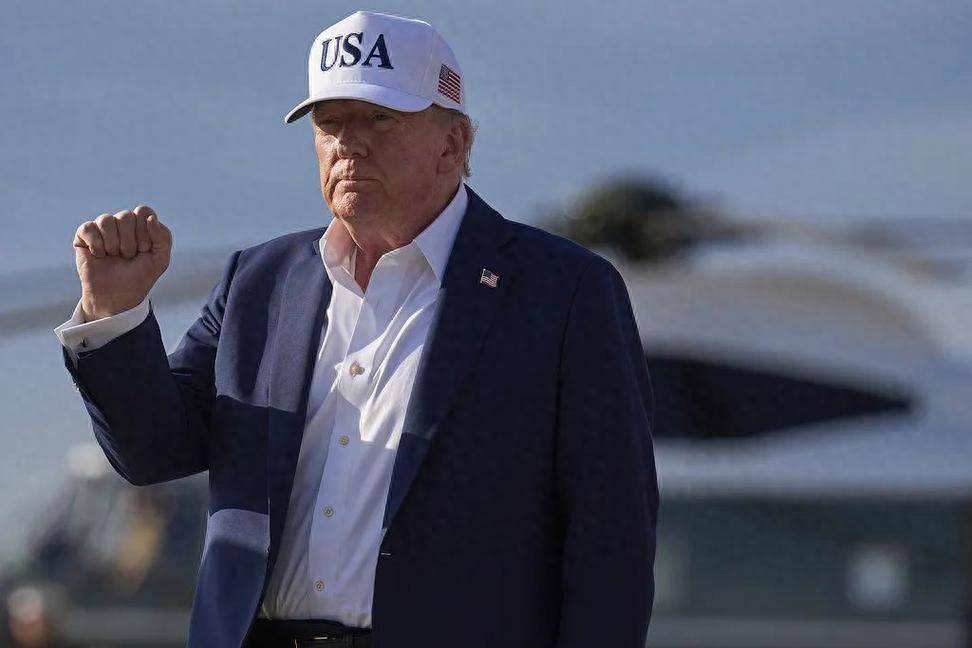
Group 1 - The core issue is the unprecedented tension between Europe and the United States, triggered by President Trump's new tariff policy targeting eight NATO member countries, including Germany and France, which could lead to a significant increase in tariffs if they do not agree to the Greenland purchase proposal [1][3] - The new tariff policy could impose up to 10% tariffs on certain exports from Germany, France, the UK, and Sweden, with the potential for further increases if no response is received by June 1 [3][6] - Germany's decision to withdraw its troops from a joint military exercise in Greenland shortly after their arrival is seen as a political statement against U.S. policies, indicating a shift in Germany's foreign strategy [5][7] Group 2 - The U.S. approach is transforming NATO's collective security obligations into conditional services, raising questions about America's commitment to its security guarantees [6][9] - Germany and France are advocating for strategic autonomy within the EU, emphasizing the need to reduce reliance on U.S. security assurances [6][9] - Germany's upcoming diplomatic visit to China, led by Chancellor Merz, is a strategic move to diversify its international partnerships and address economic pressures, highlighting China's importance as a stable market for German exports [7][9][10]

外交活跃经济尚待复苏,专家:这届德国政府希望重振“欧盟领头羊”地位
第一财经· 2025-12-22 08:53
Core Viewpoint - The article discusses the contrasting political and economic landscape in Germany under Chancellor Merz, highlighting his diplomatic ambitions and the ongoing economic challenges facing the country [3][4]. Political Changes - The political landscape in Germany has undergone significant changes due to the recent elections, with mainstream parties being marginalized and new political forces emerging, including leftist and right-wing populist parties [5]. - Merz's government aims to restore Germany's leadership role within the EU and has introduced a three-step plan to enhance Germany's diplomatic and security policy [7]. Economic Outlook - Germany's economy has been in decline, with GDP shrinking by 0.3% in 2023 and 0.2% in 2024, and a projected growth of only 0.1% in 2025, down from a previous forecast of 0.2% [3][4]. - The government has initiated several policies to boost the economy, including a €500 billion infrastructure fund and a commitment from 61 top German companies to invest €631 billion by 2028 to enhance competitiveness [9]. Diplomatic Strategy - Merz's foreign policy emphasizes strengthening Germany and Europe, aiming for a more proactive role in international affairs, particularly in the context of the Ukraine conflict [8]. - The government is expected to gradually improve relations with China, recognizing the significant interests of German companies in the Chinese market [10].