心智占位

Search documents
中国定位专家顾均辉解析徕芬拓展困局:心智占位才是破局关键
Sou Hu Wang· 2026-01-29 08:09
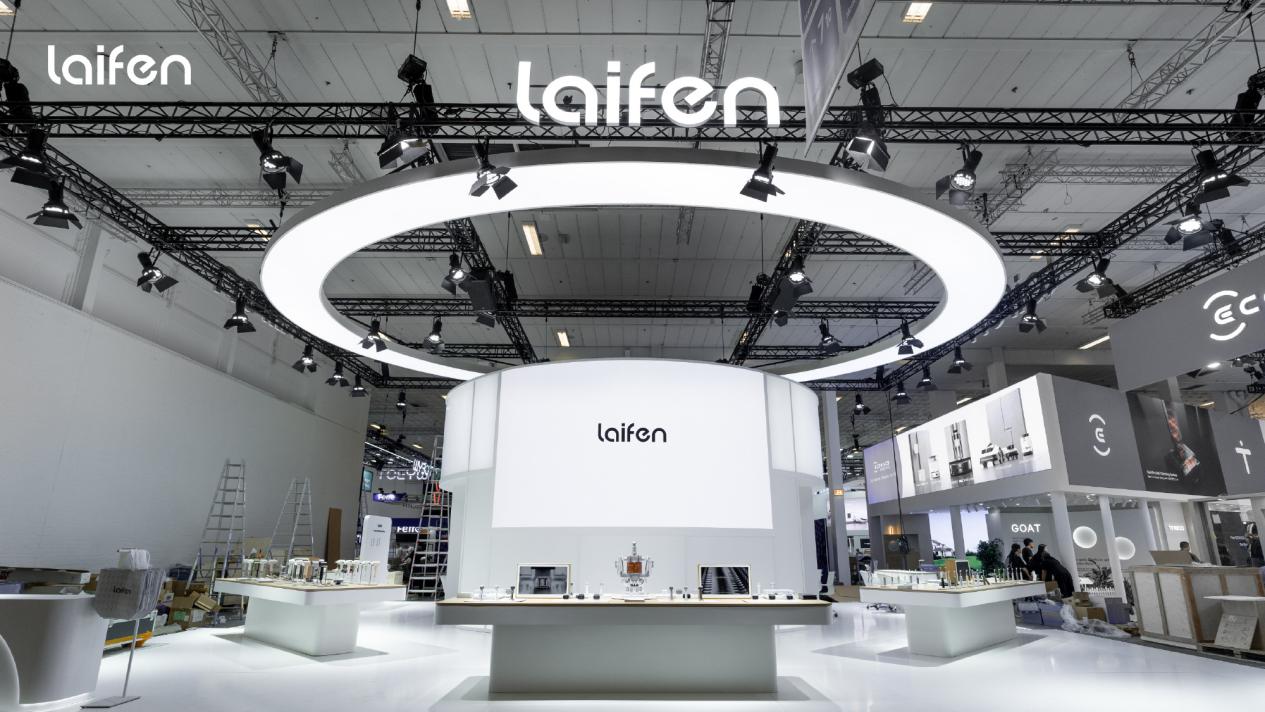
Core Insights - The domestic personal care appliance brand, Lefan Technology, is facing challenges due to obstacles in new category expansion and significant losses in its electric toothbrush business, raising industry concerns [1] - Lefan previously achieved rapid sales growth from 150 million yuan in 2021 to approximately 4.1 billion yuan in 2024 through its "high-speed hair dryer" but now struggles with a "substitute" label and a lack of diverse growth drivers [1] Strategic Positioning Issues - Strategic positioning expert Gu Junhui identifies that Lefan's current predicament stems from a deviation in strategic positioning; after initially entering the market as a "big brand substitute," it failed to build an independent brand identity, leading to limited growth [2] - The "substitute" positioning is a double-edged sword, providing short-term gains but posing long-term risks, as consumer choice is primarily driven by cost rather than brand value recognition [3][5] Market Competition and Risks - Lefan's brand recognition is heavily reliant on the leading brand, Dyson, and faces severe challenges as competitors like Mijia and Feike introduce low-cost high-speed hair dryers, threatening Lefan's market position [5] - The brand's attempts to extend into electric toothbrushes and shavers have not met expectations, indicating confusion in consumer perception and a lack of competitive differentiation in these new categories [6][7] Recommendations for Strategic Recovery - Gu Junhui suggests that Lefan should focus on solidifying its core category and upgrading its brand perception, moving away from the "Dyson substitute" label by enhancing core technology and establishing a trustworthy brand image [11] - Any new category expansion should adhere to the principle of mental synergy, ensuring that new products are closely related to the brand's established core recognition to avoid dilution [11] - The brand should concentrate on deepening its presence in the high-speed hair dryer market and related categories, aiming to become a leading brand in a specific niche rather than spreading resources too thin across multiple competitive markets [11][13]

东极定位王博:打造战略级精品,打赢心智概念战
Sou Hu Wang· 2026-01-15 05:03
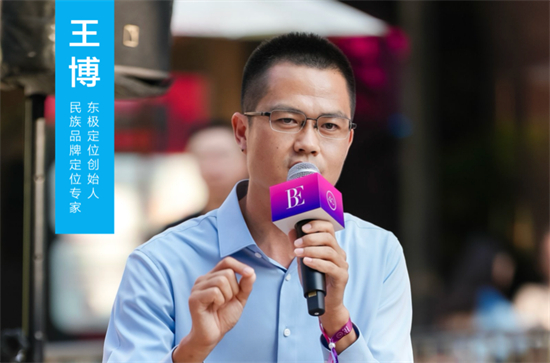
Core Insights - The article discusses the historical opportunity for Chinese clothing brands to transition from "manufacturing overseas" to "branding overseas" amidst a significant restructuring of the global fashion industry and the Chinese consumer market [1][3]. Group 1: Industry Context - The Chinese clothing industry has developed the most complete and efficient supply chain globally, alongside the largest and most diverse consumer market [3]. - Despite strong manufacturing capabilities and consumer demand, Chinese clothing brands remain in the lower tiers of the global value chain, lacking brand premium and cultural influence compared to leading Western brands [3]. Group 2: Strategic Recommendations - **Mental Positioning**: Winning the hearts of consumers through differentiated concepts is crucial. Successful brands occupy a unique and powerful concept in consumer minds, which can be achieved by creating memorable brand messages [6][8]. - **High-Energy Breakthrough**: Chinese clothing brands must overcome brand "energy" deficiencies by strategically positioning themselves to capture high-value concepts that resonate with local culture and create competitive barriers against foreign brands [9][11][12]. - **Boutique Strategy**: Focusing on creating exceptional flagship products that embody brand differentiation is essential. This approach allows brands to leverage product excellence as a core communication medium [15][17]. Group 3: Case Studies - **Feihe Milk Powder**: Positioned as "more suitable for Chinese babies," leveraging local cultural understanding to counter foreign brand advantages [11]. - **Linglong Tire**: Adopted the strategic position of being favored by "7 out of 10 global car manufacturers," enhancing brand value through a clear competitive narrative [11]. - **Catman Underwear**: Established itself as a "technology underwear" brand, differentiating from traditional brands and driving rapid growth [12]. - **Vandean Swimwear**: Positioned as "the fashion swimwear favored by celebrities," creating strong associations with fashion and high quality [14]. Group 4: Future Outlook - The upgrade path for the Chinese clothing industry involves shifting from "efficiency advantage" to "value advantage," requiring entrepreneurs to adopt forward-thinking strategies and cultural confidence [18][20]. - The article emphasizes the need for a deep understanding of the essence of "conceptual competition" and the importance of strategic investments in high-quality flagship products to build strong national brands [20].
非常差异分析:深圳电器品牌策划公司有哪些
Sou Hu Cai Jing· 2025-12-08 11:35
Group 1 - The domestic electrical appliance industry has seen a year-on-year revenue growth of 4%, with increasing competition among brands like Midea and Gree, while TCL Smart Home has achieved 13 consecutive quarters of growth through technological innovation [1] - Small and medium-sized electrical appliance brands need professional brand planning support to break through in a competitive market, with Shenzhen being a hub for innovative brand planning companies that can transform technological advantages into market competitiveness [1] Group 2 - Effective brand planning can help establish a unique mental positioning in consumers' minds, addressing the pain points of complex parameters and decision-making difficulties in electrical appliance consumption [3] - Gree and Midea have successfully created cognitive barriers in the high-end air conditioning market by translating their core technological advantages into consumer-friendly value propositions [3] - The case of Paiwo Air Energy highlights the importance of accurately capturing user needs, leading to a unique positioning that resulted in a 0.18% year-on-year performance increase [3] Group 3 - Many electrical appliance companies struggle to convert their leading technologies into market value due to complex technical language, but successful marketing strategies can bridge this gap [5] - TCL Smart Home's "molecular fresh-keeping technology" exemplifies how to translate technical principles into intuitive consumer benefits [5] - The case of Weishi LED demonstrates how to overcome technical communication barriers by clarifying the core value of their technology, leading to a successful repositioning [5] Group 4 - The ultimate value of brand planning must translate into performance growth, requiring a complete loop of positioning, strategic alignment, and marketing execution [7] - Suo Bo Er's introduction of small appliances tailored for the Southeast Asian market illustrates how localized strategies can drive market performance [7] - The focus on execution capabilities ensures that strategic plans are transformed into actionable product optimizations and marketing promotions [7] Group 5 - The collaboration between departments to optimize products and initiate advertising campaigns is crucial for electrical appliance companies to break through [8] - The upgrade of branding elements for Weishi LED resulted in a threefold increase in inquiry volume, showcasing the effectiveness of strategic execution [8] Group 6 - Professional brand planning is key to the upgrade and transformation of electrical appliance companies, with Very Different providing comprehensive, actionable solutions through its core methodology of "100 positioning capability + full-service + marketing promotion" [10] - This approach helps brands find differentiated paths in both consumer and industrial markets, establishing Very Different as a preferred partner in the industry [10]