品牌定位

Search documents
Designer Brands(DBI) - 2026 Q4 - Earnings Call Transcript
2026-03-26 13:32
Financial Data and Key Metrics Changes - Net sales for Q4 2025 were flat year-over-year at $713.6 million, while full-year net sales decreased by 3.9% to $2.9 billion [23][24] - Consolidated comparable sales improved sequentially by 50 basis points in Q4, but were down 4.3% for the full year [5][23] - Adjusted operating income for the full year was $65 million, exceeding guidance of $50 million to $55 million, driven by improved sales trends and expense management [5][26] - Consolidated gross margin in Q4 was 42.4%, a 280 basis point improvement year-over-year, while full-year gross margin improved by 90 basis points to 43.6% [24][26] Business Line Data and Key Metrics Changes - Retail segment sales were flat year-over-year in Q4, with comparable sales down 1.7%, an improvement from a decline of 2.1% in the previous year [9][23] - Brand portfolio segment sales increased by 5.3% in Q4, driven by strong performances from Topo and Jessica Simpson [11][23] - For the full year, total sales in the brand portfolio segment decreased by 9%, but Topo saw a significant growth of 46% [11][26] Market Data and Key Metrics Changes - The DSW brand generated 79 billion total impressions in 2025, up 10% year-over-year, indicating strong customer interest [7] - The company opened 13 new stores and remodeled four stores in 2025, with positive customer feedback and improved store performance [10][12] Company Strategy and Development Direction - The company is focused on enhancing its merchandise strategy, expanding the DSW brand positioning, and improving in-store customer experiences [12][16] - Plans for 2026 include a renewed focus on exclusive brands and adjacent categories such as beauty and wellness [13][17] - The company aims to leverage partnerships with emerging consumer brands to introduce new products and enhance customer engagement [14][15] Management's Comments on Operating Environment and Future Outlook - Management acknowledged the volatile macroeconomic environment, including tariff dynamics and geopolitical tensions, which may impact consumer sentiment [20][30] - For 2026, the company anticipates total sales to range from a decline of 1% to an increase of 1%, with expectations of double-digit growth in the brand portfolio segment [20][30] - Management expressed confidence in building on the momentum from the latter half of 2025, despite potential challenges in the back half of 2026 [21][36] Other Important Information - The company ended Q4 with total inventories down 6% year-over-year and reduced total debt by nearly $60 million [28][29] - Adjusted net loss for Q4 was $15.6 million, an improvement from a loss of $21.3 million in the prior year [27][26] Q&A Session Summary Question: Performance of top national brands and revenue guidance - Management noted that the focus will shift to the top ten brands for 2026, which includes three exclusive brands, and that these brands drove a comp increase in 2025 [35] - The revenue guidance reflects a cautious outlook for the back half of the year due to stronger comparisons from 2025 [36] Question: Impact of tariffs and inventory management - Management indicated that the tariff environment remains evolving, with potential upside if new tariffs do not replace existing ones [47] - The company is seeing broad-based growth across categories, particularly in dress and affordable luxury [48] Question: Share count increase and interest expenses - The increase in share count is due to the inclusion of potentially dilutive shares as the company anticipates a return to profitability [40] - Interest expenses are expected to be around $40 million for the year, reflecting reduced debt levels [41]

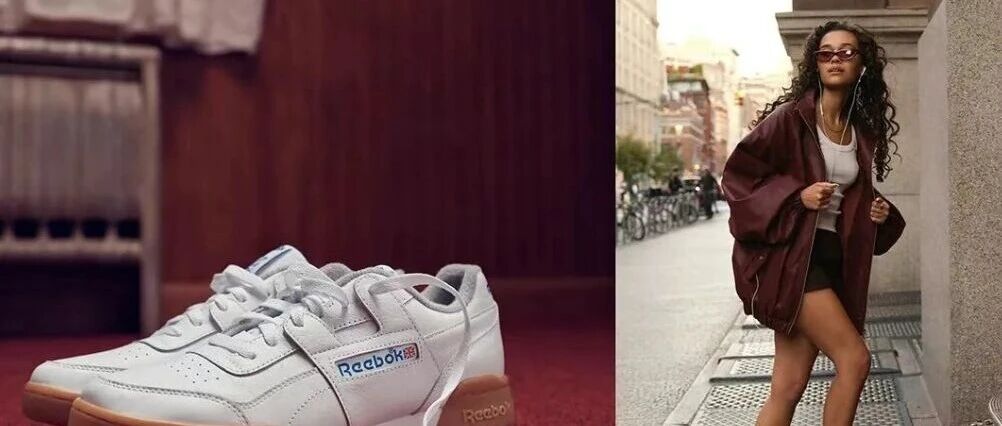
线下门店几乎“归零”,时隔四年锐步中国代理商再“换血”
第一财经· 2026-03-06 16:19
Core Viewpoint - The article discusses the challenges faced by Reebok in the Chinese market, highlighting the brand's declining performance and the recent change in its core operational partner from Hong Kong Lianya Group to New锐运动 (Shanghai) Co., Ltd. This shift reflects the broader struggles of international second-tier sports brands in China as market concentration increases and leading brands gain more advantages [3][11]. Group 1: Reebok's Historical Performance - Reebok once thrived in the 1990s, competing with Nike and Adidas, but began to decline in the new millennium. In 2006, Adidas acquired Reebok for $3.8 billion, initially boosting Adidas's performance, but later, Reebok struggled with strategic inconsistencies and a blurred brand identity [5][6]. - In 2022, Adidas sold Reebok to Authentic Brands Group (ABG) for $2.5 billion, with Reebok's revenue in the 2020 fiscal year reported at €1.409 billion [5][6]. Group 2: Recent Developments and Financial Performance - After ABG took over, Reebok's operations in China were handed to Hong Kong Lianya Group, which had previously managed other ABG brands. However, Reebok's performance under Lianya was disappointing, with a net loss of HKD 49 million in 2023 and a 19% revenue decline in 2024 [7][8]. - By the end of 2025, Lianya announced the early termination of its franchise agreement for Reebok in China, indicating a strategic shift due to ongoing losses and declining revenues [8][10]. Group 3: Market Dynamics and Brand Positioning - The article emphasizes that Reebok's struggles are indicative of the broader challenges faced by international second-tier brands in a rapidly evolving Chinese sports market, where local brands like Li Ning and Anta are gaining ground [11][12]. - Reebok's unclear brand positioning and lack of innovative product design have contributed to its marginalization in the market, as it fails to compete effectively with both high-end international brands and cost-effective local brands [11][12]. - The new operational partner, New锐运动, is tasked with revitalizing Reebok's presence in China, but the success of this transition remains uncertain [12].

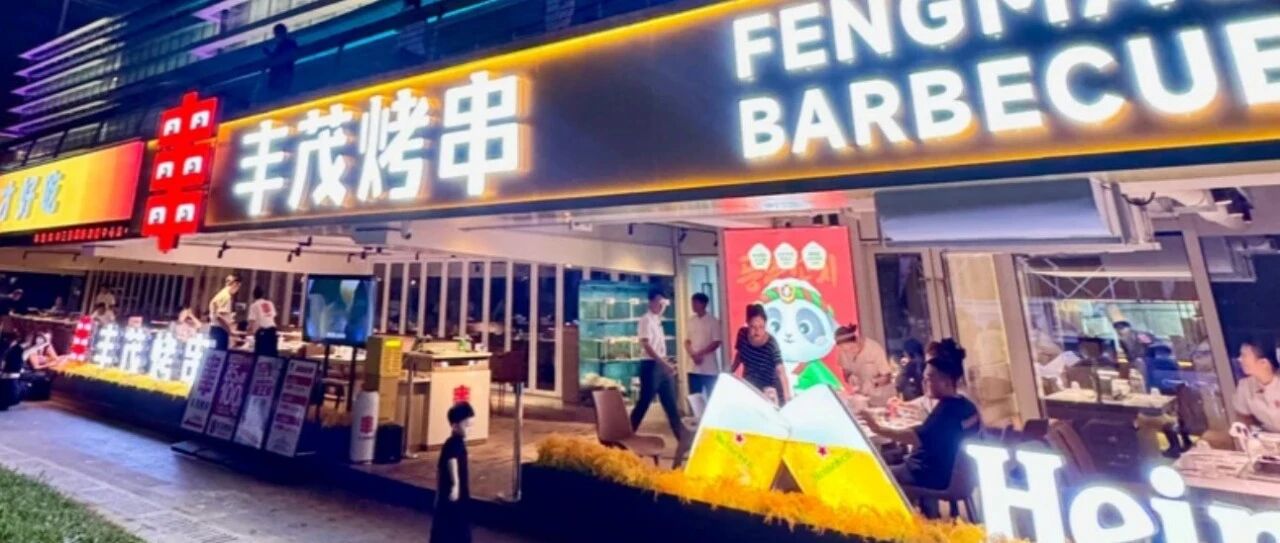
“谁先删负面,优先补发工资!”丰茂烤串连环闭店,创始人求员工“顾全大局”
新浪财经· 2026-03-03 09:17
Core Viewpoint - The chain barbecue brand Fengmao K串 is facing a critical moment, with reports of unpaid wages and multiple store closures, indicating severe operational challenges [3][6][16]. Group 1: Operational Challenges - Fengmao K串 has been reported to have 26 stores in a certain location, with 11 currently closed [3][6]. - Employees have been experiencing wage delays, with some owed salaries for nearly a year, leading to dissatisfaction and negative publicity on social media [6][16]. - The founder, Yin Longzhe, has sent three letters to employees, promising to resolve wage issues and indicating that the company is actively seeking financing [6][7][16]. Group 2: Financial Situation - Yin Longzhe stated that the company had to repay significant bank loans in 2025, which depleted its liquidity and affected salary payments [6][7]. - The first letter mentioned that a temporary banking system upgrade caused delays in fund transfers, with a commitment to pay all employees by January 1, 2025 [6][7]. - In the latest communication, Yin acknowledged the need for financing and promised to prioritize wage payments once funds are secured [7][10]. Group 3: Brand Strategy and Market Position - Fengmao K串, founded in 1991, initially expanded rapidly but has faced declining consumer sentiment due to operational issues and a controversial brand positioning strategy [12][14]. - The attempt to elevate the brand to a "formal dining" level has not resonated with consumers, leading to a decline in service quality and customer experience [14][15]. - Analysts suggest that the brand's identity has become muddled, losing its core appeal and facing stiff competition from other dining options [15][16]. Group 4: Future Outlook - Despite the severe challenges, there are opportunities for recovery if the company can stabilize cash flow and refocus on its core strengths [16]. - Recommendations include abandoning the self-service model and returning to the brand's roots in traditional barbecue offerings to regain customer trust [16]. - Short-term strategies may involve closing underperforming stores and cutting costs, while long-term success will depend on correcting strategic missteps and leveraging brand heritage [16].
全网最没存在感的潮牌,靠韩剧同款也没能翻红
凤凰网财经· 2026-02-14 10:29
Core Viewpoint - The article discusses the recent acquisition of a 29.06% stake in Puma by Anta, highlighting Puma's decline in market relevance and performance, particularly in China, and questioning the brand's future direction under new ownership [5][12][36]. Group 1: Puma's Market Position and Performance - Puma has struggled to maintain its relevance among younger consumers, transitioning from a popular brand to one that is recognized but not actively engaged with [3][8]. - The brand's market performance has been lackluster, with a reported global revenue decline of 4.3% to €5.974 billion and a net loss of €309 million for 2025 [12]. - In the Chinese market, Puma's revenue accounted for only 7% of global income, indicating weak performance compared to competitors [12]. Group 2: Anta's Acquisition Strategy - Anta's acquisition of Puma is seen as a strategic move to leverage its experience in brand management and market positioning, similar to its successful turnaround of Fila [36][37]. - The acquisition is expected to provide Puma with a new opportunity for growth, although Anta has stated it will respect Puma's management culture and allow for independent operations [37]. - Anta's previous successes in brand repositioning suggest potential for Puma to regain market traction, but the process may be gradual and complex [36][39]. Group 3: Historical Context and Brand Evolution - Puma's historical roots are tied to its founding by the Dassler brothers, which has shaped its competitive dynamics with Adidas [16][19]. - The brand's identity has shifted over the years, moving from a focus on sports to a more fashion-oriented approach, which has contributed to its current market challenges [28][33]. - Despite past successes with celebrity endorsements and product launches, such as the Creeper designed by Rihanna, Puma has struggled to create consistent hit products in recent years [31][32].

VF集团财报:营收超预期但大中华区承压,股价波动加剧
Jing Ji Guan Cha Wang· 2026-02-11 15:26
Group 1 - The core viewpoint of VF Corporation's Q3 FY2026 earnings report indicates total revenue of $2.876 billion, a 1% year-over-year increase (4% excluding the sold Dickies brand), surpassing analyst expectations [1] - Operating profit reached $289 million, showing a significant year-over-year increase of 28% [1] - The North Face brand saw a global revenue increase of 8% year-over-year (5% at constant currency), while Timberland also grew by 8%, but Vans experienced an 8% decline [1] Group 2 - Regional performance showed a stark contrast, with revenue in the Americas growing by 2%, marking the strongest performance in three years, while Greater China revenue declined by 6% year-over-year (8% at constant currency), continuing several quarters of pressure [1] - CEO Bracken Darrell attributed the weak performance in the Asia-Pacific market to intensified competition and brand positioning challenges, but remains optimistic about achieving global growth targets through product innovation and DTC channel optimization [1] Group 3 - Recent stock performance of VF Corporation has been volatile, with a 5.10% drop on February 5 following the earnings report, a subsequent 3.74% rebound on February 9, and a weekly decline of 1.94% [2] - Trading volume was notably high, with 7.459 million shares traded on February 6, and the stock reached a weekly high of $21.32 on February 10, showing a volatility of 6.70% [2] Group 4 - Institutional outlook on VF Corporation remains cautious, with only 28% of 25 institutions rating it as "buy" or "hold," while 56% rated it as "hold," and 16% as "sell" [3] - The average target price is set at $19.06, below the current stock price, with concerns raised by Morgan Stanley regarding the ongoing decline in Greater China and a high debt ratio of 84.14%, which may limit short-term valuation recovery [3] - Earnings forecasts suggest a projected revenue decline of 7.69% for Q4 FY2026, although a return to positive growth is anticipated in Q2 FY2026 [3]
对话可隆 CEO 丁思榕:在高度内卷市场,做一个克制的品牌
晚点LatePost· 2026-02-06 09:32
Core Viewpoint - KOLON has successfully repositioned itself as a leading outdoor brand in China, focusing on professional outdoor products while maintaining a balance between functionality and design [5][7][19]. Brand Development - KOLON has rapidly grown since being acquired by ANTA Group, surpassing initial expectations and becoming the official partner of the Chinese National Climbing Team [3][10]. - The brand's new flagship store, "KOLON ATLAS," opened in a prime location in Beijing, indicating a shift towards high-end retail [3][15]. Strategic Focus - The CEO emphasizes the importance of long-term brand value over short-term sales, advocating for a return to the brand's core identity as a professional outdoor brand [5][6]. - KOLON has shifted its product focus back to core outdoor activities like hiking and camping, moving away from previous attempts to enter the fashion market [7][19]. Market Positioning - KOLON positions itself in the upper right quadrant of the outdoor brand spectrum, balancing professional performance with design appeal, distinguishing itself from both mass-market and extreme outdoor brands [7][19]. - The brand has strategically relocated stores to high-traffic shopping areas and streamlined its product lines to enhance brand identity [7][15]. Product Strategy - KOLON has developed products tailored to the needs of Asian consumers, focusing on fit, comfort, and practicality, while maintaining professional standards [11][21]. - The brand has introduced a new line, "K:," aimed at innovation and maintaining freshness in its offerings, while ensuring that new products align with brand values [12][24]. Community Engagement - KOLON has invested in community operations, organizing outdoor activities to foster a connection with consumers and promote a sustainable lifestyle [13][26]. - The brand's marketing strategy includes storytelling through advertisements that resonate with consumers' emotional needs rather than focusing solely on product features [16][27]. Future Outlook - KOLON aims for steady growth rather than aggressive expansion, maintaining a focus on brand quality and consumer experience [25][26]. - The company is committed to a sustainable approach, balancing product innovation with a clear understanding of consumer demands in the outdoor market [21][24].

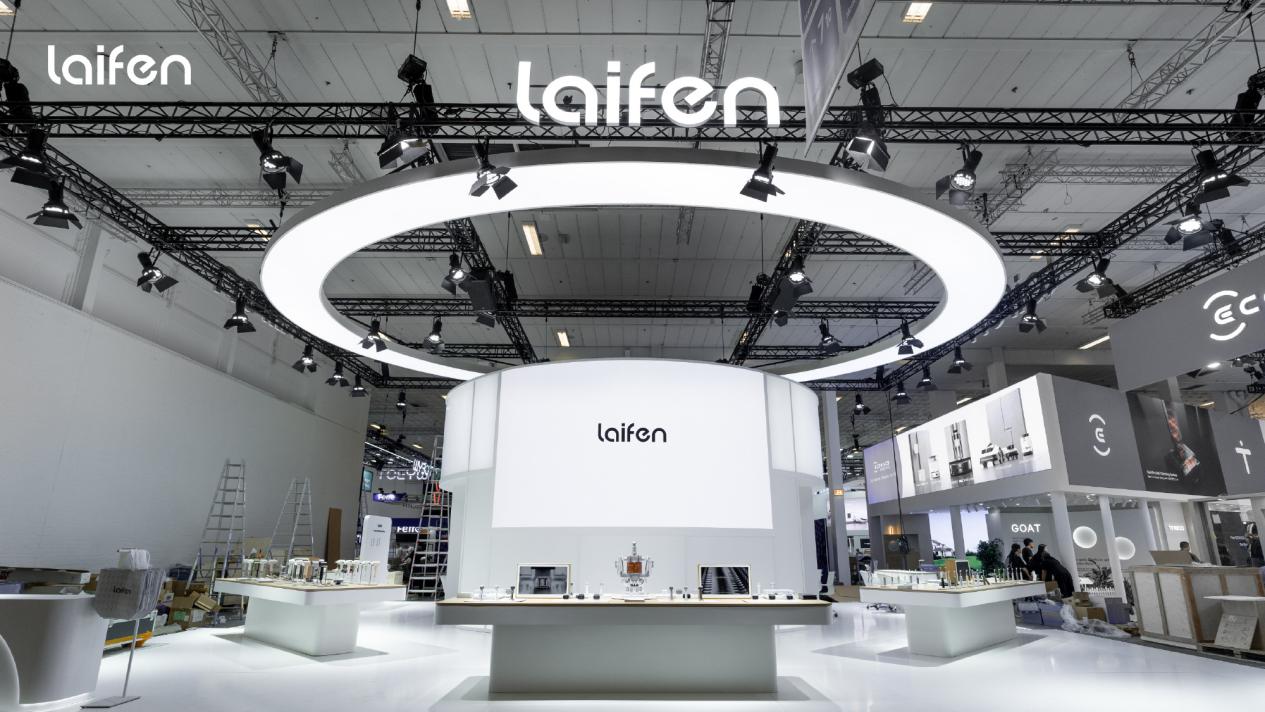
中国定位专家顾均辉解析徕芬拓展困局:心智占位才是破局关键
Sou Hu Wang· 2026-01-29 08:09
Core Insights - The domestic personal care appliance brand, Lefan Technology, is facing challenges due to obstacles in new category expansion and significant losses in its electric toothbrush business, raising industry concerns [1] - Lefan previously achieved rapid sales growth from 150 million yuan in 2021 to approximately 4.1 billion yuan in 2024 through its "high-speed hair dryer" but now struggles with a "substitute" label and a lack of diverse growth drivers [1] Strategic Positioning Issues - Strategic positioning expert Gu Junhui identifies that Lefan's current predicament stems from a deviation in strategic positioning; after initially entering the market as a "big brand substitute," it failed to build an independent brand identity, leading to limited growth [2] - The "substitute" positioning is a double-edged sword, providing short-term gains but posing long-term risks, as consumer choice is primarily driven by cost rather than brand value recognition [3][5] Market Competition and Risks - Lefan's brand recognition is heavily reliant on the leading brand, Dyson, and faces severe challenges as competitors like Mijia and Feike introduce low-cost high-speed hair dryers, threatening Lefan's market position [5] - The brand's attempts to extend into electric toothbrushes and shavers have not met expectations, indicating confusion in consumer perception and a lack of competitive differentiation in these new categories [6][7] Recommendations for Strategic Recovery - Gu Junhui suggests that Lefan should focus on solidifying its core category and upgrading its brand perception, moving away from the "Dyson substitute" label by enhancing core technology and establishing a trustworthy brand image [11] - Any new category expansion should adhere to the principle of mental synergy, ensuring that new products are closely related to the brand's established core recognition to avoid dilution [11] - The brand should concentrate on deepening its presence in the high-speed hair dryer market and related categories, aiming to become a leading brand in a specific niche rather than spreading resources too thin across multiple competitive markets [11][13]
23企竞速IPO:2026年新消费品牌如何定位方能突围?
Sou Hu Cai Jing· 2026-01-26 06:03
Group 1 - The capital market is experiencing a surge, with at least 23 food and beverage companies announcing plans to enter the market within 15 days, highlighting the industry's vitality and the need for new consumer brands to redefine their positioning to attract both consumers and investors [1] - The case of Dongpeng Special Drink illustrates a successful strategy where the company shifted its focus from competing in saturated markets to identifying an overlooked segment of ordinary workers feeling fatigued, leading to a unique brand positioning [3][5] - Dongpeng Special Drink's advertising slogan "When tired, drink Dongpeng Special Drink" effectively connected with a broad audience by addressing a common state of fatigue, establishing a strong mental association with the brand [5][8] Group 2 - The strategic shift of Dongpeng Special Drink resulted in significant market rewards, including its successful IPO in 2021 and substantial revenue growth, ultimately becoming the leading brand in the functional beverage sector [7] - The success of Dongpeng Special Drink serves as a clear lesson for the 23 new consumer brands preparing for IPOs, emphasizing the importance of having a clear, unique, and solid position in consumers' minds rather than just focusing on sales data [8] - The essence of brand positioning lies in understanding and addressing the real-life needs of consumers, moving the competitive battleground from shelves to consumers' mental space, thereby creating a unique market niche [8]

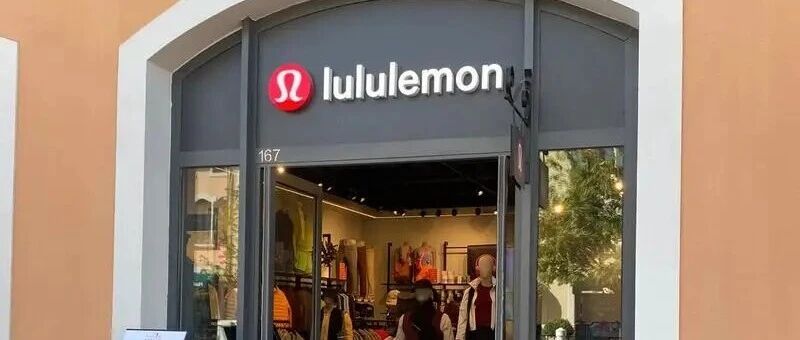
Lululemon转型困局,创始人威尔逊向董事会发起“逼宫”
Jing Ji Guan Cha Bao· 2026-01-07 09:18
Core Insights - Lululemon is facing a significant power struggle as founder Chip Wilson initiates a proxy fight to restructure the board, reflecting his dissatisfaction with the current management's strategic direction [1][2] - Wilson aims to nominate three independent directors to the board and advocates for annual board elections, believing these candidates can revitalize the brand and enhance shareholder value [1][2] Company Strategy and Brand Positioning - The proxy fight highlights a conflict between short-term commercial growth and long-term brand integrity, with concerns that pursuing a "mass market" strategy may dilute Lululemon's high-end market advantages [2][8] - Wilson criticizes the current leadership for failing to maintain brand innovation and high-end positioning, leading to a loss of competitive edge and consumer loyalty [3][4][5] Financial Performance - Under CEO Calvin McDonald, Lululemon's revenue grew from $3.3 billion to over $10 billion, with a 10% revenue increase in fiscal year 2024, reaching $10.6 billion and a net profit of $1.815 billion, up 17% [6] - However, growth has slowed in fiscal year 2025, with Q1 revenue at $2.371 billion, a 7.32% increase, and net profit down 2.13%, indicating a shift to a slower growth phase [6][7] - Despite overall performance decline, Lululemon has seen significant growth in the Chinese market, with Q2 and Q3 revenues increasing by 25% and 46% respectively, becoming a key driver for international business [7][8] Market Competition and Strategic Choices - Lululemon faces increasing competition from both international brands like Nike and Adidas and local brands such as Anta and Li Ning, which are enhancing their offerings in the yoga apparel sector [8] - The brand is at a critical strategic juncture, needing to decide whether to return to its innovative roots and high-end positioning or continue its mass-market expansion [8]

中产最爱的Lululemon,正在上演夺权大战
凤凰网财经· 2025-12-31 12:34
Core Viewpoint - Lululemon is facing a power struggle initiated by its founder Chip Wilson, who is demanding board reforms to enhance creativity and brand understanding in response to the company's declining performance [2][22]. Group 1: Performance Decline and Leadership Changes - Lululemon's CEO Calvin McDonald plans to step down on January 31, 2026, leading to interim leadership by the CFO and CBO [4][5]. - The company has experienced significant growth under McDonald's leadership, with revenue increasing from $3.3 billion to over $10 billion and expanding into over 30 countries [7]. - However, Wilson criticizes the current leadership for focusing on short-term financial performance rather than long-term strategy and innovation [12]. Group 2: Financial Performance - In Q1 of FY2025, Lululemon reported revenue of $2.371 billion, a year-on-year increase of 7.32%, but net profit fell by 2.13% to $310 million [16]. - By Q3, revenue grew by 7% to $2.57 billion, but net profit dropped by approximately 12.8% to $307 million [18]. - The company has lowered its full-year revenue and profit forecasts for FY2025, expecting a revenue decrease of $210 million and a decline in operating profit margin by about 390 basis points [19]. Group 3: Market Dynamics in China - Lululemon's revenue in China has surged, with Q2 growth at 25% and Q3 growth accelerating to 45.75%, with total revenue in Greater China surpassing $510 million [23]. - The company plans to increase its store count in China to approximately 220 by 2026, with over 30 new stores opening in third-tier cities in 2025 [23]. - Despite strong revenue growth, profit margins are under pressure, with Q3 gross margin at 55.6%, down 2.9 percentage points year-on-year, primarily due to increased promotional activities and international business challenges [24]. Group 4: Brand and Competitive Challenges - Lululemon faces criticism for product quality and design, with social media backlash over a new striped sweatshirt resembling prison attire [14]. - The brand is experiencing increased competition from both high-end brands and affordable local alternatives, which are eroding its market share and profit margins [27]. - The rapid expansion into lower-tier cities poses risks to brand positioning, as the premium image established in first-tier cities may not translate effectively to these markets [25].