心率变异性

Search documents
双心共舞:心理灵活性如何“调节”你的心跳
Jing Ji Guan Cha Bao· 2026-01-31 01:42
Core Insights - The article discusses the relationship between psychological flexibility and heart rate variability (HRV), emphasizing how mental states can influence physiological responses [1][5]. Group 1: Understanding Psychological Flexibility and HRV - Psychological flexibility refers to the ability to stay connected to the present moment and adjust actions based on inner values, rather than merely reacting to thoughts and emotions [2]. - High psychological flexibility enables individuals to cope with stress, adapt to changes, and maintain better emotional health and interpersonal relationships [4]. - HRV is a key indicator of heart health and autonomic nervous system balance, with higher HRV indicating better recovery from stress and lower HRV potentially signaling chronic stress and associated health risks [4]. Group 2: The Interaction Between Mind and Heart - Psychological flexibility acts as a "tuner" for stress responses, allowing individuals to accept stress without becoming overwhelmed, thus promoting a quicker activation of the parasympathetic nervous system to balance heart rate [6]. - Individuals with high psychological flexibility can observe negative emotions without being consumed by them, reducing emotional conflict and protecting HRV stability [7]. - Research indicates that individuals with higher psychological flexibility have better connections between brain regions responsible for cognitive regulation and emotional responses, allowing for better management of physiological stress reactions [9]. Group 3: Scientific Evidence - Studies show a positive correlation between psychological flexibility and resting HRV, with higher scores in psychological flexibility often associated with higher HRV levels [10]. - Interventions such as Acceptance and Commitment Therapy (ACT) and mindfulness meditation have been shown to enhance both psychological flexibility and HRV, demonstrating that psychological training can improve physiological indicators [10]. - Individuals with high psychological flexibility exhibit quicker recovery of heart rate and HRV after stress-inducing tasks, indicating superior physiological resilience [10]. Group 4: Practical Implications - Monitoring HRV can serve as a "mind-body dashboard," alerting individuals to potential psychological stress when HRV is consistently low [11]. - Enhancing psychological flexibility can benefit heart health, with practices such as mindfulness meditation and value clarification being effective methods [11]. - Integrating HRV biofeedback training with psychological therapies like ACT can improve individuals' ability to cope with chronic pain, anxiety, and insomnia, highlighting the interconnectedness of mind and heart [12].
关乎寿命长短的6项指标,从中年起就要控制好
Xin Lang Cai Jing· 2026-01-14 14:27
Core Insights - The article emphasizes the importance of monitoring six key health indicators to prevent chronic diseases and promote healthy aging [1][3] Group 1: Key Health Indicators - Resting Heart Rate: A resting heart rate of 60-100 beats per minute is normal for adults, with athletes often having lower rates. A sustained rate above 100 may indicate health issues [4][5] - Maximum Oxygen Uptake: This measures the amount of oxygen consumed during intense exercise, with healthy adult males averaging 40-60 ml/(kg·min) and females 35-55 ml/(kg·min). Values below 17.5 ml/(kg·min) may affect independent living [5][6] - Grip Strength: Strong grip strength correlates with better health and longevity. For individuals around 40 years old, acceptable grip strength is 43.5-49.5 kg for men and 27-31 kg for women [7][8] Group 2: Additional Health Metrics - Waist Circumference: Healthy waist measurements are less than 85 cm for men and 80 cm for women. A waist circumference of 95 cm or more for men and 90 cm or more for women increases disease risk [10][11] - Heart Rate Variability: This reflects the body's ability to manage stress. Lower values may indicate reduced autonomic regulation and increased risk of heart issues [13] - Sleep Quality: Insufficient sleep (less than 7 hours per night) raises the risk of various health conditions. Good sleep is characterized by feeling refreshed and alert upon waking [13][14]

被量化的心跳:HRV 是身体的晴雨表,还是制造焦虑的数字游戏?
3 6 Ke· 2025-12-05 08:15
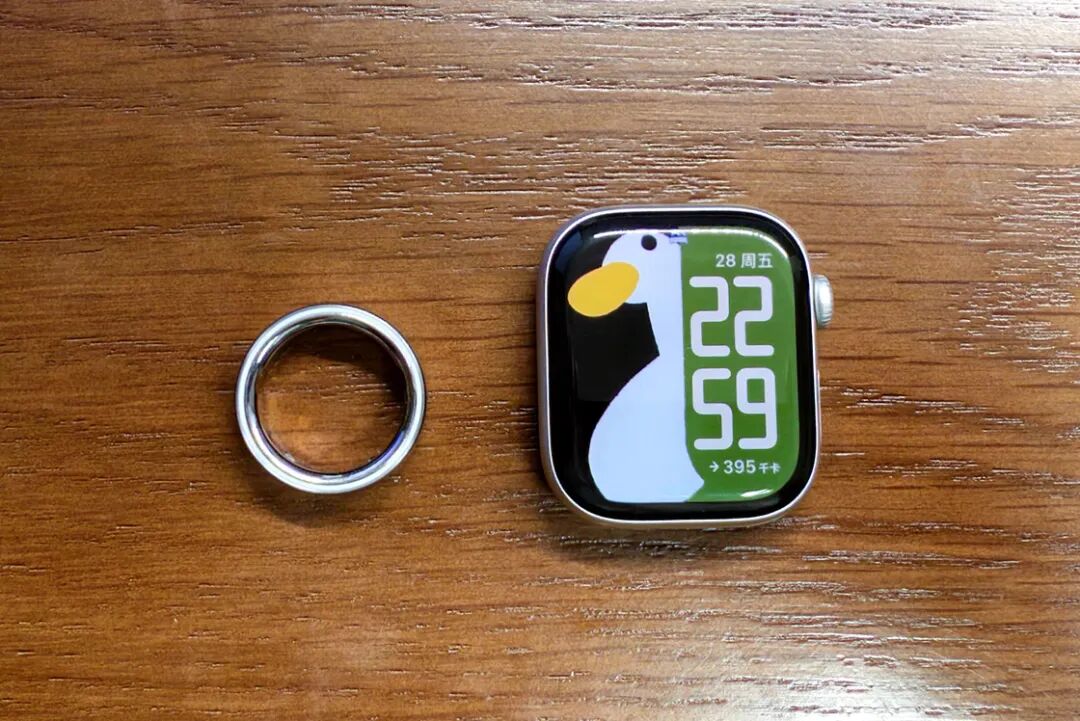
Core Insights - The article discusses the significance of Heart Rate Variability (HRV) as a health indicator, emphasizing its role in monitoring stress, recovery, and overall heart health [1][2][3] - It highlights the differences in HRV measurement methods between consumer devices like Apple Watch and Oura Ring, focusing on their respective algorithms and accuracy [25][26][27] Group 1: Understanding HRV - HRV is defined as the variation in time intervals between consecutive heartbeats, reflecting the autonomic nervous system's regulation of the heart [4][6] - The article explains that a higher HRV indicates better adaptability and resilience of the body, while a lower HRV may signal stress or health issues [7][9] - It outlines the two primary algorithms used in consumer devices: SDNN (Standard Deviation of Normal-to-Normal intervals) and RMSSD (Root Mean Square of Successive Differences), each serving different purposes in health monitoring [10][14][27] Group 2: HRV Measurement Techniques - The article details the differences between medical-grade ECG measurements and consumer-grade PPG technology, noting that PPG measures pulse rate variability rather than true HRV [21][23] - It presents a study ranking various consumer devices based on their accuracy in measuring HRV during sleep, with Oura Ring performing particularly well [22][23] - The article emphasizes the importance of consistent measurement conditions for accurate HRV tracking, recommending specific times and states for measurement [24] Group 3: Practical Applications of HRV - HRV is recognized as a sensitive but non-specific biomarker, useful for indicating potential health issues but not for diagnosing specific conditions [16][17] - The article discusses the implications of HRV in disease monitoring, with studies linking low HRV to increased mortality risk and cardiovascular events [17][18] - It also highlights the role of HRV in optimizing training regimens and lifestyle adjustments, suggesting that daily HRV tracking can inform exercise intensity and recovery needs [19][20] Group 4: Consumer Device Comparison - Oura Ring is designed with a focus on sleep and recovery, utilizing a higher sampling frequency and a comprehensive scoring system that incorporates multiple health metrics [26][27] - In contrast, Apple Watch offers a more general health monitoring experience with lower HRV sampling frequency and less interpretative guidance [26][27] - The article warns against directly comparing HRV values across different devices due to variations in algorithms and measurement techniques [23][24]