心理咨询行业乱象

Search documents
被多少人当成救命稻草的职业,正在经历大规模“塌房”
虎嗅APP· 2026-01-10 09:16
Core Viewpoint - The article discusses the challenges and risks within the psychological counseling industry in China, highlighting the lack of regulation, the prevalence of unqualified practitioners, and the emotional toll on clients seeking help [5][18][21]. Group 1: Industry Overview - The psychological counseling market in China is projected to reach 15.8 billion yuan by 2024, with an annual growth rate of 23% [6]. - There are over 135,000 psychological counseling-related enterprises in China, with major platforms like 壹心理 having over a million monthly active users [19]. - The number of licensed psychological counselors has increased significantly since the establishment of the profession in 2001, but the removal of national certification in 2017 has led to a "no-license era" [6][22]. Group 2: Client Experiences and Complaints - A report indicates that the formal complaint rate in psychological counseling is 0.17%, meaning 1.7 complaints per 1,000 counseling relationships [5]. - Many clients report negative experiences, including unprofessional behavior from counselors, such as ending relationships abruptly or failing to provide adequate support [5][21]. - The emotional impact on clients can be severe, with some feeling more distressed after sessions, leading to a loss of trust in the counseling process [15][40]. Group 3: Ethical Concerns and Risks - The lack of a scientific evaluation system for practitioners raises concerns about the qualifications of many counselors, with 62.7% having less than three years of experience [22]. - Ethical guidelines exist, but enforcement is weak, leading to situations where clients feel their autonomy is undermined or their experiences invalidated [21][38]. - High-profile cases of misconduct, including sexual abuse by counselors, highlight the potential dangers clients face in the absence of proper oversight [22][25]. Group 4: Challenges in Seeking Redress - Clients often find it difficult to seek redress for grievances due to the subjective nature of counseling outcomes and the lack of clear quality standards [38]. - Legal avenues for complaints are often lengthy and costly, discouraging clients from pursuing justice [36][38]. - The emotional and financial burden of seeking new counseling after a negative experience can lead to further trauma for clients [37][40].


被多少人当成救命稻草的职业,正在经历大规模「塌房」
Xin Lang Cai Jing· 2026-01-09 23:21
Core Viewpoint - The article discusses the complexities and challenges within the psychological counseling industry in China, highlighting both the growth of the market and the potential risks associated with unqualified practitioners and inadequate regulatory frameworks [3][18][22]. Group 1: Industry Growth and Market Size - The psychological counseling market in China is projected to reach a scale of 15.8 billion yuan by 2024, indicating significant growth in the industry [4]. - The number of licensed psychological counselors has increased since the establishment of national standards in 2001, with approximately 1.5 million certificates issued by the Ministry of Human Resources and Social Security [3][18]. Group 2: Complaints and Risks - The formal complaint rate in the psychological counseling sector is 0.17%, translating to 1.7 complaints per 1,000 counseling relationships, while informal complaints on social media are more prevalent [3][18]. - A significant portion of counselors lack verified professional experience, with 62.7% having less than three years of experience, raising concerns about the quality of care provided [22]. Group 3: Ethical Concerns and Regulatory Gaps - The absence of a scientific evaluation system for professional capabilities in the psychological counseling field has led to a "no certification era" since 2017, increasing the likelihood of clients encountering unqualified counselors [22]. - Ethical guidelines state that counselors should not impose their values on clients, yet many clients report experiences where counselors have crossed ethical boundaries [20][22]. Group 4: Case Studies and Personal Experiences - The article includes personal accounts of clients who have faced negative experiences with counselors, such as feeling dismissed or having their concerns trivialized, which reflects broader issues within the industry [3][12][20]. - High-profile cases of misconduct, including allegations of sexual assault by counselors, underscore the urgent need for better regulation and oversight in the industry [23][25].

被多少人当成救命稻草的职业,正在经历大规模「塌房」
36氪· 2026-01-09 00:09
Core Viewpoint - The article discusses the complexities and challenges within the psychological counseling industry in China, highlighting both the growth of the market and the risks associated with unregulated practices and unqualified practitioners [4][25][34]. Group 1: Industry Growth and Market Size - The psychological counseling market in China is projected to reach 15.8 billion yuan by 2024, with an annual growth rate of 23% [7]. - There are over 135,000 existing psychological counseling-related enterprises in China, with major platforms like 壹心理 having over a million monthly active users [26]. - The World Health Organization recommends one counselor per 1,000 people, indicating that China's number of practitioners is comparable to developed countries [7]. Group 2: Issues and Risks in Counseling - The article reveals that the formal complaint rate in the industry is 0.17%, meaning 1.7 complaints per 1,000 counseling relationships, while informal complaints on social media are more prevalent [7]. - Many practitioners lack verifiable experience, and there are instances of unqualified individuals posing as counselors, leading to serious incidents [8][34]. - The absence of a scientific evaluation system for professional capabilities in the industry raises concerns about the quality of counseling services [28]. Group 3: Ethical Concerns and Client Experiences - Ethical violations in counseling can lead to significant harm, with cases of misconduct and negligence reported [39][40]. - Clients often feel vulnerable and may experience negative emotions projected onto them by counselors, complicating the therapeutic relationship [20][58]. - The article highlights individual stories of clients who faced unprofessional behavior from counselors, leading to feelings of betrayal and mistrust in the industry [56][60].

那间规范缺失的心理咨询室
Hu Xiu· 2025-07-29 03:10
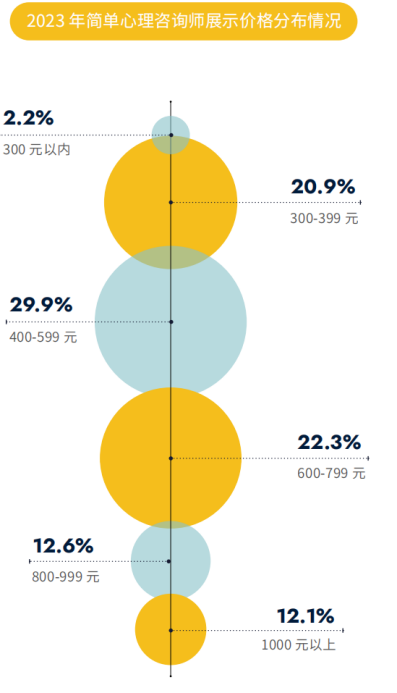
Core Viewpoint - The article discusses the challenges and inconsistencies within the psychological counseling industry in China, highlighting issues such as the lack of professional standards, the impact of unqualified practitioners, and the evolving perceptions of mental health treatment among the public. Group 1: Industry Challenges - The psychological counseling industry in China has seen rapid growth, but it suffers from a lack of regulatory oversight and professional standards, leading to a proliferation of unqualified practitioners [4][26][31] - The cancellation of the problematic certification for psychological counselors in 2017 did not lead to an immediate improvement in professional standards, resulting in a vacuum of regulation [3][4][26] - Many practitioners lack formal training, with a significant portion of independent counselors holding only a bachelor's degree, and only 13% having a master's degree [26][32] Group 2: Public Perception and Stigma - Despite increasing acceptance of terms like "depression" and "anxiety," there remains a significant stigma surrounding mental health issues in China, making individuals hesitant to seek help [11][12] - The perception of psychological counseling as a sign of failure persists, complicating the willingness of individuals to engage with mental health services [11][12] Group 3: Economic Factors - The cost of psychological counseling varies widely, with fees ranging from 100 to 800 yuan, depending on the practitioner's experience and the platform used [17][19] - Many practitioners struggle financially, with nearly 49% earning less than 50,000 yuan annually, and the high costs of supervision further strain their income [32][36] Group 4: Evolving Counseling Methods - The rise of online counseling has provided a more accessible option for many, particularly for those with social anxiety, but it also presents challenges in establishing deep connections [44][46] - The introduction of AI in psychological counseling is being explored, with some finding AI responses to be more stable and understanding than those of inexperienced human counselors [51][52] Group 5: Future Directions - There is a push towards standardizing the psychological counseling profession in China, with increasing government recognition and support for mental health services [42][43] - The influx of younger professionals into the field is revitalizing the industry, with a significant increase in the number of master's degree students in psychology over the past decade [43]