心理咨询

Search documents
吴晓波X李文超:大环境下,让1万个创始人拥有幸福力资本
吴晓波频道· 2026-03-04 00:31
Core Viewpoint - The article emphasizes the importance of mental well-being for entrepreneurs, highlighting a trend of successful individuals facing severe psychological challenges, leading to tragic outcomes. It advocates for a "Happiness Enhancement Program" aimed at improving the mental health of business leaders [2][10][12]. Group 1: Entrepreneurial Mental Health - Numerous successful entrepreneurs have tragically taken their own lives, raising questions about the hidden struggles behind their success [2][12]. - The article discusses the need for a shift from a scarcity-driven motivation to a passion-driven approach in entrepreneurship, suggesting that true fulfillment comes from enjoying the journey rather than merely achieving success [12][30]. - The author shares personal experiences and observations of entrepreneurs suffering from mental health issues, emphasizing the critical role of psychological resilience and support [14][26][27]. Group 2: The Happiness Enhancement Program - The "Happiness Enhancement Program" is designed to help entrepreneurs cultivate a healthier mindset, focusing on self-awareness and emotional well-being [11][21]. - The program aims to address the psychological challenges faced by entrepreneurs, particularly in a rapidly changing economic landscape where traditional success metrics may no longer apply [18][19]. - The initiative is supported by notable figures in the industry, indicating a growing recognition of the importance of mental health in business leadership [23][24]. Group 3: Personal Transformation and Impact - The author recounts a personal journey from a successful but unfulfilled entrepreneur to a proponent of psychological well-being, illustrating the transformative power of mental health education [36][45]. - The article highlights the ripple effect of improving mental health among entrepreneurs, suggesting that it can lead to broader societal benefits through enhanced leadership and community engagement [63][64]. - The narrative includes success stories of individuals who have benefited from psychological training, demonstrating the practical impact of the program on both personal and professional levels [76][80].


想靠心理咨询赚外快的年轻人,已经被围猎
3 6 Ke· 2026-02-06 13:14
Core Viewpoint - The cancellation of the national psychological counselor qualification certificate in 2017 has led to a chaotic state in the domestic psychological consulting industry, with the rise of online "light consulting" models that offer lower costs and shorter time commitments compared to traditional consulting [1][28]. Group 1: Industry Trends - The internet has accelerated the popularization of psychological consulting, giving rise to numerous enterprise-based psychological institutions and the "light consulting" model [1]. - Many psychological institutions have started hiring positions such as "chat therapists" and "listeners," promoting the idea of flexible employment with low entry barriers [1][6]. Group 2: Employment Challenges - Individuals without a psychology background are investing significant amounts of money to enter the field, only to find that "light consulting" is not as easy as advertised [3][11]. - The initial appeal of "light consulting" as a side job has led many to face difficulties in securing clients and generating income, with reports of high competition and low availability of clients [17][22]. Group 3: Financial Implications - Early successful chat therapists reportedly earned around 5,000 yuan per month, while full-time therapists could earn over 10,000 yuan, but these figures are not representative of the majority [9][22]. - Many chat therapists and listeners face significant financial burdens due to high fees for training, supervision, and platform commissions, which can exceed 50% of their earnings [19][22][24]. Group 4: Psychological and Emotional Strain - The rigorous entry process for platforms often leads to anxiety and self-doubt among aspiring therapists, with many failing to pass the required assessments [11][13]. - The emotional toll of dealing with clients' issues, coupled with harassment from some users, adds to the stress experienced by chat therapists and listeners [26][27]. Group 5: Misleading Marketing - The marketing of "light consulting" as a low-barrier entry into the psychological field has been criticized for being misleading, as many find the reality to be far more challenging [17][28]. - The perception that psychological consulting can be a quick and easy side job has contributed to a broader issue within the gig economy, where individuals become trapped in a system that primarily benefits the platforms [28][29].
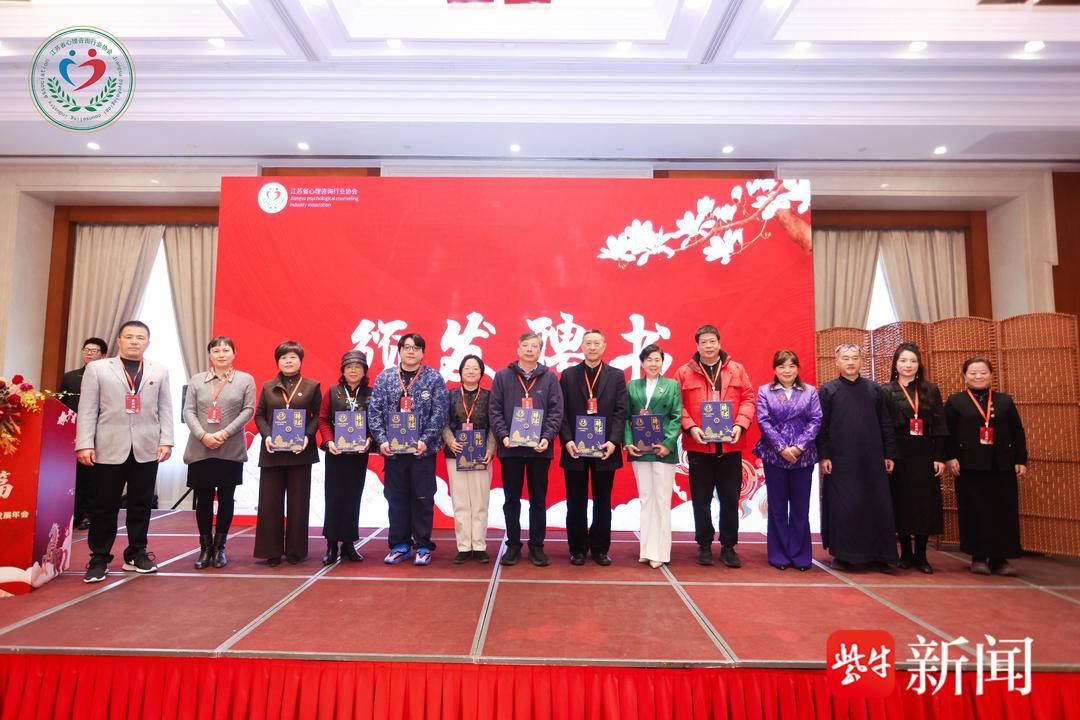
江苏省心理咨询行业年会南京启幕 聚焦“爱你老己·智启新篇”共话心理服务高质量发展
Yang Zi Wan Bao Wang· 2026-01-26 03:24
Core Insights - The conference titled "Love You, Old Self. A New Chapter of Innovation" was held on January 25, 2026, in Nanjing, gathering nearly a thousand industry experts, scholars, and practitioners to review the development of the psychological counseling industry and explore future innovation paths [1] Group 1: Industry Development - The President of the Jiangsu Psychological Counseling Industry Association, Zhu Xiaodong, reflected on the association's eleven-year journey, emphasizing the establishment of a multi-level communication platform that integrates the wisdom and efforts of numerous practitioners [3] - Zhu proposed a core strategy for the next three years focusing on "three-dimensional efforts, two wings of support, and one integrated promotion," aiming to enhance industry innovation, digital transformation services, and cross-sector integration [3] Group 2: Trends and Frameworks - Professor Shen Yongjian from Nanjing University of Traditional Chinese Medicine presented four major development trends in the psychological counseling industry and introduced the "six strengths" framework for the association's development [5] - Shen noted that the increasing prominence of psychological issues in modern society is not a failure of the industry but a result of the shift from material pursuits to the quest for spiritual fulfillment, highlighting the importance of prevention and precise intervention [5] Group 3: Conference Activities - The conference featured five main sections, including performances that created a tranquil atmosphere, and the signing of strategic cooperation agreements with various organizations, demonstrating a commitment to collaborative development within the industry [7] - Experts, including Dr. Yue Xiaodong and Professor Shen Yongjian, presented on topics such as non-pharmacological interventions for school refusal, motivation enhancement, and self-growth for counselors, showcasing cutting-edge theories and practical insights [7] - Afternoon workshops provided practical training on interventions for school refusal and counselor self-growth, alongside a specialized lecture on the social responsibility and ethical foundations of the industry [9] Group 4: Future Directions - The annual meeting is viewed as a significant platform for building professional consensus, promoting interdisciplinary integration, and leading high-quality development in the psychological counseling industry [9] - The association aims to continue serving as a bridge and link to support the construction of a social psychological service system, contributing to the development of a "strong, rich, beautiful, and high" new Jiangsu [9]
被多少人当成救命稻草的职业,正在经历大规模“塌房”
虎嗅APP· 2026-01-10 09:16
Core Viewpoint - The article discusses the challenges and risks within the psychological counseling industry in China, highlighting the lack of regulation, the prevalence of unqualified practitioners, and the emotional toll on clients seeking help [5][18][21]. Group 1: Industry Overview - The psychological counseling market in China is projected to reach 15.8 billion yuan by 2024, with an annual growth rate of 23% [6]. - There are over 135,000 psychological counseling-related enterprises in China, with major platforms like 壹心理 having over a million monthly active users [19]. - The number of licensed psychological counselors has increased significantly since the establishment of the profession in 2001, but the removal of national certification in 2017 has led to a "no-license era" [6][22]. Group 2: Client Experiences and Complaints - A report indicates that the formal complaint rate in psychological counseling is 0.17%, meaning 1.7 complaints per 1,000 counseling relationships [5]. - Many clients report negative experiences, including unprofessional behavior from counselors, such as ending relationships abruptly or failing to provide adequate support [5][21]. - The emotional impact on clients can be severe, with some feeling more distressed after sessions, leading to a loss of trust in the counseling process [15][40]. Group 3: Ethical Concerns and Risks - The lack of a scientific evaluation system for practitioners raises concerns about the qualifications of many counselors, with 62.7% having less than three years of experience [22]. - Ethical guidelines exist, but enforcement is weak, leading to situations where clients feel their autonomy is undermined or their experiences invalidated [21][38]. - High-profile cases of misconduct, including sexual abuse by counselors, highlight the potential dangers clients face in the absence of proper oversight [22][25]. Group 4: Challenges in Seeking Redress - Clients often find it difficult to seek redress for grievances due to the subjective nature of counseling outcomes and the lack of clear quality standards [38]. - Legal avenues for complaints are often lengthy and costly, discouraging clients from pursuing justice [36][38]. - The emotional and financial burden of seeking new counseling after a negative experience can lead to further trauma for clients [37][40].

被多少人当成救命稻草的职业,正在经历大规模「塌房」
Xin Lang Cai Jing· 2026-01-09 23:21
Core Viewpoint - The article discusses the complexities and challenges within the psychological counseling industry in China, highlighting both the growth of the market and the potential risks associated with unqualified practitioners and inadequate regulatory frameworks [3][18][22]. Group 1: Industry Growth and Market Size - The psychological counseling market in China is projected to reach a scale of 15.8 billion yuan by 2024, indicating significant growth in the industry [4]. - The number of licensed psychological counselors has increased since the establishment of national standards in 2001, with approximately 1.5 million certificates issued by the Ministry of Human Resources and Social Security [3][18]. Group 2: Complaints and Risks - The formal complaint rate in the psychological counseling sector is 0.17%, translating to 1.7 complaints per 1,000 counseling relationships, while informal complaints on social media are more prevalent [3][18]. - A significant portion of counselors lack verified professional experience, with 62.7% having less than three years of experience, raising concerns about the quality of care provided [22]. Group 3: Ethical Concerns and Regulatory Gaps - The absence of a scientific evaluation system for professional capabilities in the psychological counseling field has led to a "no certification era" since 2017, increasing the likelihood of clients encountering unqualified counselors [22]. - Ethical guidelines state that counselors should not impose their values on clients, yet many clients report experiences where counselors have crossed ethical boundaries [20][22]. Group 4: Case Studies and Personal Experiences - The article includes personal accounts of clients who have faced negative experiences with counselors, such as feeling dismissed or having their concerns trivialized, which reflects broader issues within the industry [3][12][20]. - High-profile cases of misconduct, including allegations of sexual assault by counselors, underscore the urgent need for better regulation and oversight in the industry [23][25].

被多少人当成救命稻草的职业,正在经历大规模「塌房」
36氪· 2026-01-09 00:09
Core Viewpoint - The article discusses the complexities and challenges within the psychological counseling industry in China, highlighting both the growth of the market and the risks associated with unregulated practices and unqualified practitioners [4][25][34]. Group 1: Industry Growth and Market Size - The psychological counseling market in China is projected to reach 15.8 billion yuan by 2024, with an annual growth rate of 23% [7]. - There are over 135,000 existing psychological counseling-related enterprises in China, with major platforms like 壹心理 having over a million monthly active users [26]. - The World Health Organization recommends one counselor per 1,000 people, indicating that China's number of practitioners is comparable to developed countries [7]. Group 2: Issues and Risks in Counseling - The article reveals that the formal complaint rate in the industry is 0.17%, meaning 1.7 complaints per 1,000 counseling relationships, while informal complaints on social media are more prevalent [7]. - Many practitioners lack verifiable experience, and there are instances of unqualified individuals posing as counselors, leading to serious incidents [8][34]. - The absence of a scientific evaluation system for professional capabilities in the industry raises concerns about the quality of counseling services [28]. Group 3: Ethical Concerns and Client Experiences - Ethical violations in counseling can lead to significant harm, with cases of misconduct and negligence reported [39][40]. - Clients often feel vulnerable and may experience negative emotions projected onto them by counselors, complicating the therapeutic relationship [20][58]. - The article highlights individual stories of clients who faced unprofessional behavior from counselors, leading to feelings of betrayal and mistrust in the industry [56][60].

当医院来了一位“猫医生”
Jing Ji Guan Cha Bao· 2025-12-12 13:08
Core Insights - The article discusses the innovative use of animal-assisted therapy in mental health treatment, particularly through the involvement of a cat named "Fang Doctor" at Jinan Zhishan Psychological Hospital, which serves as a therapeutic companion for children facing emotional and social challenges [1][6][11]. Group 1: Animal-Assisted Therapy Implementation - "Fang Doctor" is a stray cat that was rescued and trained to assist in psychological therapy, highlighting the growing trend of integrating animals into mental health care in China [8][9]. - The therapy sessions involve structured interactions between the therapist, the animal, and the patient, aiming to build trust and facilitate emotional connections [10][11]. - Since its introduction in March, "Fang Doctor" has assisted approximately 800 patients, primarily adolescents dealing with issues like school refusal and depression, with an estimated 70% of these children benefiting from the therapy [10][11]. Group 2: Broader Context of Animal-Assisted Therapy in China - The practice of animal-assisted therapy is still emerging in China, with various projects like "Dog Doctor" in Chengdu and "Paw for Heal" in Shanghai, which have been operational for over two decades and thirteen years respectively [12][13]. - These programs require animals to meet strict criteria for temperament and health, ensuring they can provide stable companionship to those in need [13][14]. - The demand for professional standards and training in the field is increasing, as many practitioners express concerns about the potential for commercialization and the need for qualified personnel [18][19]. Group 3: Challenges and Future Directions - The industry faces challenges such as a lack of standardized practices and the need for professional training, which is crucial for the effective implementation of animal-assisted therapy [17][19]. - Recent initiatives have begun to establish guidelines and standards for therapy animals, aiming to enhance the professionalism and effectiveness of these programs [19][20]. - There are plans to expand the use of therapy animals in various settings, with ongoing recruitment and assessment of new therapy animals to meet the growing demand [20][21].
当悲剧发生,我们如何应对人生无常
虎嗅APP· 2025-11-28 13:42
Core Viewpoint - The article discusses the emotional impact of sudden loss and the importance of acknowledging grief while finding ways to cope and cherish memories of lost relationships [5][6]. Group 1: Understanding Grief - Grief is a natural response to loss, and it reflects the deep connections we have with others. The article emphasizes that it is normal to feel profound sadness and that this sadness is a price we pay for love [5][6]. - The article suggests that acknowledging the impermanence of life can help individuals continue to cherish the present and the people around them [6]. Group 2: Coping Strategies - One suggested method is to take "breaks" from grief, allowing individuals to engage in normal activities without feeling guilty about not grieving constantly. This can help in the healing process [9][13]. - Another approach is to construct meaning from the loss, helping individuals understand the reasons behind the loss and integrating it into their life narrative [15][17]. - Maintaining a connection with the lost individual through memories or symbolic items can provide comfort and a sense of ongoing relationship [19][20][21]. Group 3: Addressing Unfinished Business - The article highlights the concept of "unfinished business," which refers to unresolved feelings or unexpressed thoughts related to the lost relationship. Engaging in activities like creating a "relationship tree" can help individuals process these feelings [27][28][30]. - Writing letters to the deceased, even if they are not sent, can be a therapeutic way to express feelings and thoughts that were left unsaid [31][34]. Group 4: Living with Pain - The goal of grief therapy is not to eliminate pain but to find ways to coexist with it. This includes accepting the loss and integrating it into one's life while still being able to find joy and purpose [46][54]. - Individuals may experience moments of respite from grief, indicating progress in their healing journey [51].

物质丰裕后,集体的创伤开始在孩子身上爆发
虎嗅APP· 2025-11-26 13:44
Core Viewpoint - The article discusses the increasing prevalence of mental health issues among children in China, emphasizing the significant role of family dynamics and societal pressures in these challenges [4][5][6]. Group 1: Family Dynamics and Child Mental Health - The article highlights that children's mental health issues often reflect underlying family conflicts, suggesting that "a child's illness is usually a family conspiracy" [5][6]. - It emphasizes the importance of understanding the family system, where each member's behavior influences others, creating a complex web of interactions rather than linear causation [7][8]. - The author notes that symptoms displayed by children, such as school refusal, may serve a purpose within the family system, indicating deeper issues that need to be addressed collectively [8][9]. Group 2: Parenting Approaches - The article advocates for empowering children by allowing them to express their opinions and make choices, which is crucial during their transition into adolescence [10][11]. - It discusses the challenges parents face in letting go of control, particularly in traditional Chinese culture, where parental involvement is often extensive [14][15]. - The author shares personal experiences of encouraging a child to assert independence, highlighting the importance of respecting their choices even when they differ from parental preferences [11][12]. Group 3: External Support Systems - The article points out that modern families often lack external support systems, which exacerbates internal tensions and mental health issues [16][17]. - It stresses the need for families to seek external resources and support, as isolation can lead to unresolved problems [20][21]. - The author provides examples of effective support systems in other cultures, suggesting that similar approaches could benefit Chinese families [20][21]. Group 4: Societal Pressures and Child Development - The article discusses how societal expectations and pressures can lead to children feeling inadequate, particularly when their worth is tied to academic performance [23][24]. - It highlights the generational gap in understanding values, where parents may prioritize material success over emotional well-being [25][26]. - The author argues that the current generation of children is beginning to question traditional paths, indicating a shift towards exploring personal meaning and fulfillment [28][31]. Group 5: The Importance of Open Systems - The article concludes that maintaining an open family system is essential for healthy development, allowing children to grow into independent individuals who can contribute positively to society [30][31]. - It suggests that the current challenges faced by children may ultimately lead to a more profound understanding of themselves and their desires, fostering personal growth [28][32].

36氪精选:AI的24小时心理陪伴,可能是一场「灾难」|36氪专访
日经中文网· 2025-11-15 00:33
Core Viewpoint - The article discusses the evolving relationship between AI and mental health support, questioning whether AI can outperform human therapists in providing emotional assistance and exploring the implications of this shift for the mental health industry [5][8]. Group 1: AI's Role in Mental Health - AI is increasingly being used as a temporary emotional support tool, with over a million users on Chat GPT expressing suicidal tendencies or emotional attachment [5]. - Compared to traditional therapy, AI offers low-cost, 24/7 access, making emotional support more accessible [5][6]. - The emergence of AI could bridge the gap between professional therapy and emotional companionship, creating a new service paradigm [7][8]. Group 2: Development of AI in Therapy - Simple Psychology, founded by Jian Lili, has integrated AI into its services, initially focusing on enhancing the skills of human therapists rather than commercializing AI products [11][12]. - The AI assistant launched by Simple Psychology has shown that 70% of users engage with it for emotional support, indicating a willingness to use AI for mental health needs [16][17]. - Users perceive AI as a stable and trustworthy entity, often more so than human therapists, due to the controllable nature of AI interactions [17][18]. Group 3: Limitations and Future Directions - While AI can perform well in short consultations, it struggles with the long-term engagement required in traditional therapy settings [18][20]. - The traditional structure of therapy, which includes fixed times and safe spaces, is challenged by the 24/7 availability of AI, necessitating a redefinition of how AI therapy is structured [20][21]. - Future AI products in mental health are expected to evolve into a new paradigm, potentially complementing human therapists rather than replacing them [28][34]. Group 4: Ethical Considerations and Market Dynamics - The mental health industry faces challenges in integrating AI, including ethical discussions and the need for regulatory frameworks to ensure user safety [36]. - There is a concern that AI could exacerbate existing issues in mental health care, particularly for vulnerable populations, highlighting the need for careful implementation [36]. - The market for AI in mental health is expected to grow, with a significant portion of users likely to prefer AI support over traditional therapy due to accessibility and cost [34][35].