心理契约

Search documents
龙马启新程 慰问暖初心 两大保险集团开工首日凝聚奋进力量
Jin Rong Jie· 2026-02-25 03:58
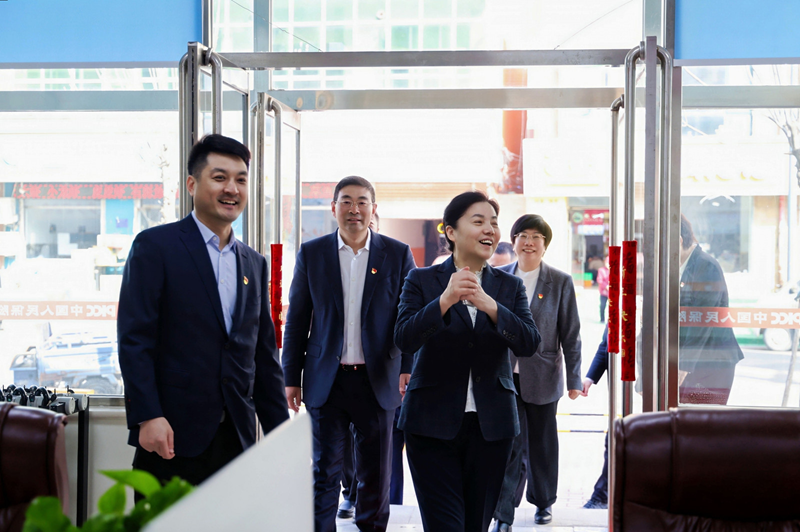
Core Insights - The core message of the news is that the New Year visits by major insurance companies, including People’s Insurance Group and Taiping Group, reflect their commitment to high-quality development and alignment with national strategies as they embark on the "14th Five-Year Plan" [1][7][12] Group 1: Organizational Cohesion - The visits by the leadership of both groups to frontline employees and various locations are aimed at strengthening organizational cohesion, which is essential for development in the insurance industry [2][4] - Frontline employees are crucial as they directly impact the company's brand reputation and market foundation, making their engagement vital for organizational success [4][9] - The initiative breaks down management barriers and connects corporate vision with individual employee values, enhancing motivation and reducing turnover rates [4][10] Group 2: Industry Mission and Opportunities - The year 2026 marks the beginning of the "14th Five-Year Plan," where the insurance industry is expected to act as an "economic stabilizer" and "social stabilizer," supporting China's modernization efforts [7][11] - Both groups have set "high-quality development" and "achieving new successes" as their core annual goals, rooted in national development strategies and industry opportunities [7][11] - The current transition from scale expansion to quality improvement in the insurance sector necessitates enhanced product innovation, risk control, service, and digital capabilities [7][11] Group 3: Strategic Development - The cross-regional visits by Taiping Group and People’s Insurance Group reflect their strategic considerations for national and international development, aligning with the unified national market and dual circulation development pattern [8][9] - The focus on grassroots service networks and the integration of technology with traditional services are essential for tapping into the rapidly growing demand in lower-tier markets [8][9] - The competition in the insurance industry has shifted from product and price to service networks and comprehensive service capabilities, making cross-regional layouts a key competitive advantage [8][9] Group 4: Industry Implications - The actions of these leading insurance companies serve as a positive example for the entire industry, emphasizing the importance of integrating social responsibility with corporate development [9][10] - Talent development and strengthening grassroots capabilities are critical for the industry's transformation, with a focus on digital and intelligent advancements [9][10] - Building a strong corporate culture that emphasizes emotional care and value recognition is vital for enhancing organizational resilience and core competitiveness [10][11] Group 5: Future Outlook - The New Year visits set a tone for the insurance industry, emphasizing "unity, practical action, serving the overall situation, and high-quality development" for the year ahead [11][12] - The industry is encouraged to deepen its core business of risk protection while aligning with national strategies in areas like rural revitalization and social security [11][12] - Accelerating digital transformation and enhancing talent development are essential for maximizing market potential and improving service delivery in the insurance sector [11][12]

为什么很多5A景区开卖终身制门票?
3 6 Ke· 2026-01-29 02:44
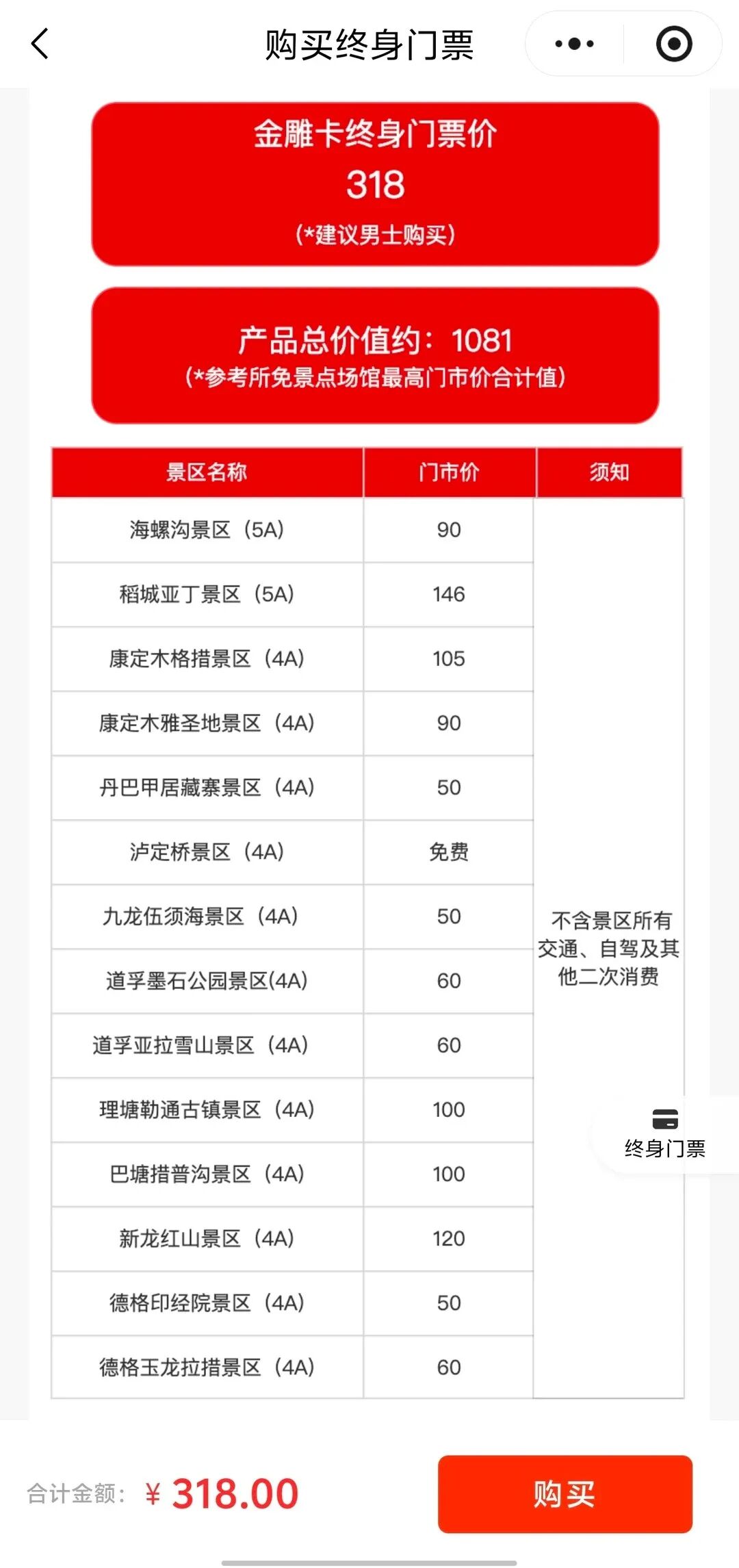
Core Insights - Sichuan Ganzi's introduction of lifetime tickets for 14 scenic spots, including the well-known 5A scenic areas like Hailuogou and Daocheng Yading, has sparked widespread discussion online [1][4] - The pricing structure for the lifetime tickets is set at 318 yuan for men and 317 yuan for women, with individual scenic spots also offering lifetime tickets at prices comparable to peak season single-entry tickets [1][4] Group 1: Ticket Pricing and Structure - The total face value of single-entry tickets for the 14 scenic spots amounts to 1,091 yuan, indicating that purchasing a lifetime ticket can be cost-effective for frequent visitors [4] - The lifetime ticket for Hailuogou is priced at 90 yuan, while Daocheng Yading's ticket is 150 yuan, suggesting that a single visit during peak season can justify the cost of the lifetime ticket [4] Group 2: Marketing Strategy and Consumer Behavior - The lifetime ticket initiative is part of a broader strategy to enhance visitor engagement and loyalty, moving away from traditional discounting methods [4][22] - This approach aims to create a psychological contract with visitors, encouraging them to consider additional trips and experiences, thus extending their connection with the scenic areas [11][13] Group 3: Revenue Model and Economic Implications - The revenue model for these scenic spots is shifting, with ticket sales becoming less central to profitability; instead, secondary consumption such as transportation and experiences within the parks is becoming more significant [20][21] - For instance, the actual costs for visitors at Daocheng Yading and Hailuogou can exceed the ticket price when factoring in mandatory transportation fees, indicating that the parks are still generating revenue despite the free entry policy [16][18] Group 4: Industry Trends and Future Outlook - The move towards lifetime tickets reflects a growing trend in the domestic tourism industry, potentially leading to a wave of similar initiatives across various scenic spots [32][36] - However, concerns remain regarding the sustainability of such policies and the potential for hidden costs in secondary consumption, which could undermine the perceived value of the lifetime tickets [33][35]
如何提升员工对公司的信任度?
Hu Xiu· 2025-05-22 10:13
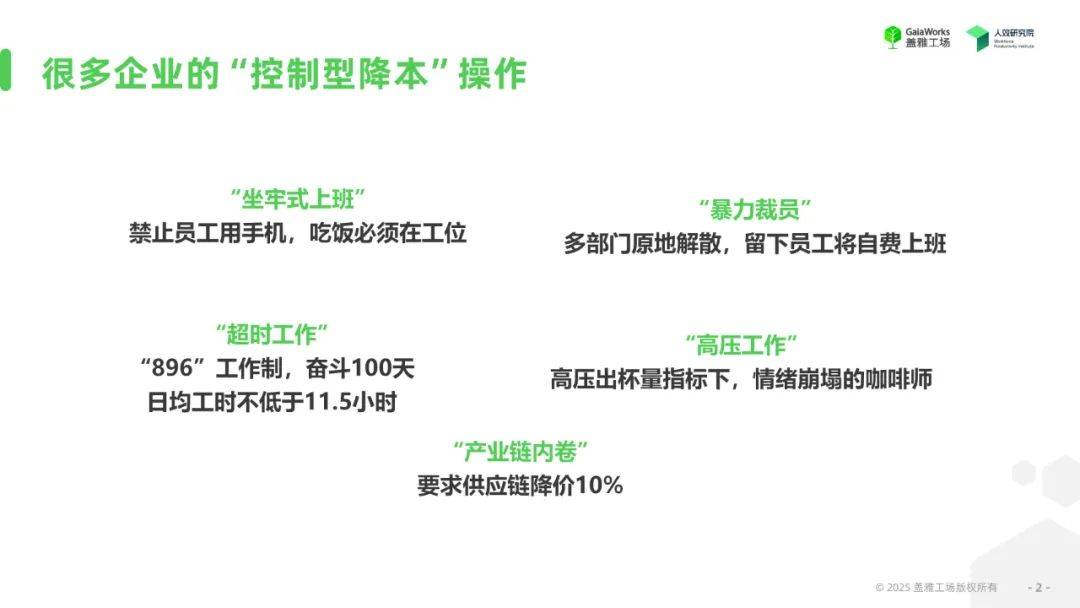
Group 1 - The article discusses the concept of "psychological contract cost" and its implications for companies amid cost-cutting measures [1][5][46] - Companies are increasingly resorting to layoffs, salary cuts, and structural adjustments to enhance efficiency, but these actions can lead to negative consequences [2][4] - The phenomenon of "psychological contract" refers to the unspoken mutual expectations between organizations and employees, which can weaken or break under stress [9][10] Group 2 - The article highlights that a broken psychological contract can significantly increase management costs, requiring 3-5 times more resources to remedy the situation [10][13] - It introduces a formula to recalculate total employment costs, incorporating both visible monetary costs and hidden psychological contract costs [16][17] - The formula indicates that trust levels (T) between employees and the company greatly influence total costs, with different trust states leading to varying cost implications [18][19][29] Group 3 - The article provides examples from different industries to illustrate how psychological contract costs affect total employment costs, showing that high trust can lead to lower costs while low trust increases costs [21][26] - It emphasizes the importance of enhancing employee trust (T) through transparency, reliability, cultural alignment, and altruism [32][42] - The article concludes that companies should focus on building trust rather than merely cutting costs to achieve sustainable efficiency and mutual benefits [48][47]