快奢时尚

Search documents
全国第一!广东服装,凭什么卖爆全球?
21世纪经济报道· 2026-01-31 03:56
Core Viewpoint - The article emphasizes the significance of Guangdong's manufacturing industry, particularly in the apparel sector, highlighting its global competitiveness and the launch of the "Guangdong Goods Going Global" spring campaign to promote local brands and products [1]. Apparel Industry Overview - The apparel industry is closely linked to daily life, with design, sales, and supply chain collaboration being crucial for brand competitiveness [1]. - Guangdong stands out in the apparel sector, hosting seven world-class industrial clusters, including Humen women's wear and Dawang wool knitting, contributing significantly to global apparel production [1]. - Notably, one in five sweaters globally comes from Dawang, and one in three jeans comes from Xintang [1]. Key Brands and Their Achievements - **UR**: Founded in 2006 in Guangzhou, it pioneered the "fast luxury fashion" model with over 500 global designers and a flexible supply chain, launching over 15,000 new products annually, leading in both retail sales and store count in China [4]. - **Biem**: Known as "the Moutai of clothing," it specializes in high-end sports and golf apparel, achieving a revenue of 8.2 billion yuan in the first three quarters of 2025, leading the high-end apparel market [6]. - **Urban Lady**: Established in 1998, it is the first listed lingerie company in Hong Kong, leading in women's lingerie sales for eight consecutive years, with over 4,500 stores nationwide [8]. - **Kelaidier**: A prominent high-end women's wear brand, it achieved a revenue of 90 million yuan in the first half of 2025, showcasing the strength of Guangdong manufacturing [10]. - **Mingrui**: Based in Chaozhou, it specializes in wedding dresses, producing around 20,000 pieces annually, with over 95% exported, generating sales of 800 million yuan [14]. - **Lihua**: A century-old brand in the knitted apparel sector, recognized for its quality and craftsmanship [15]. - **Exception**: Founded in 1996, it integrates traditional craftsmanship with modern design, showcasing its products at international events [18]. - **Inman**: Established in 2008, it focuses on cotton and linen apparel, with over 400 stores and significant online sales growth [20]. Industry Trends - Guangdong's apparel industry is evolving towards high-end, intelligent, green, and integrated manufacturing, with over 2,500 regulated apparel enterprises, accounting for 18% of the national total [23].


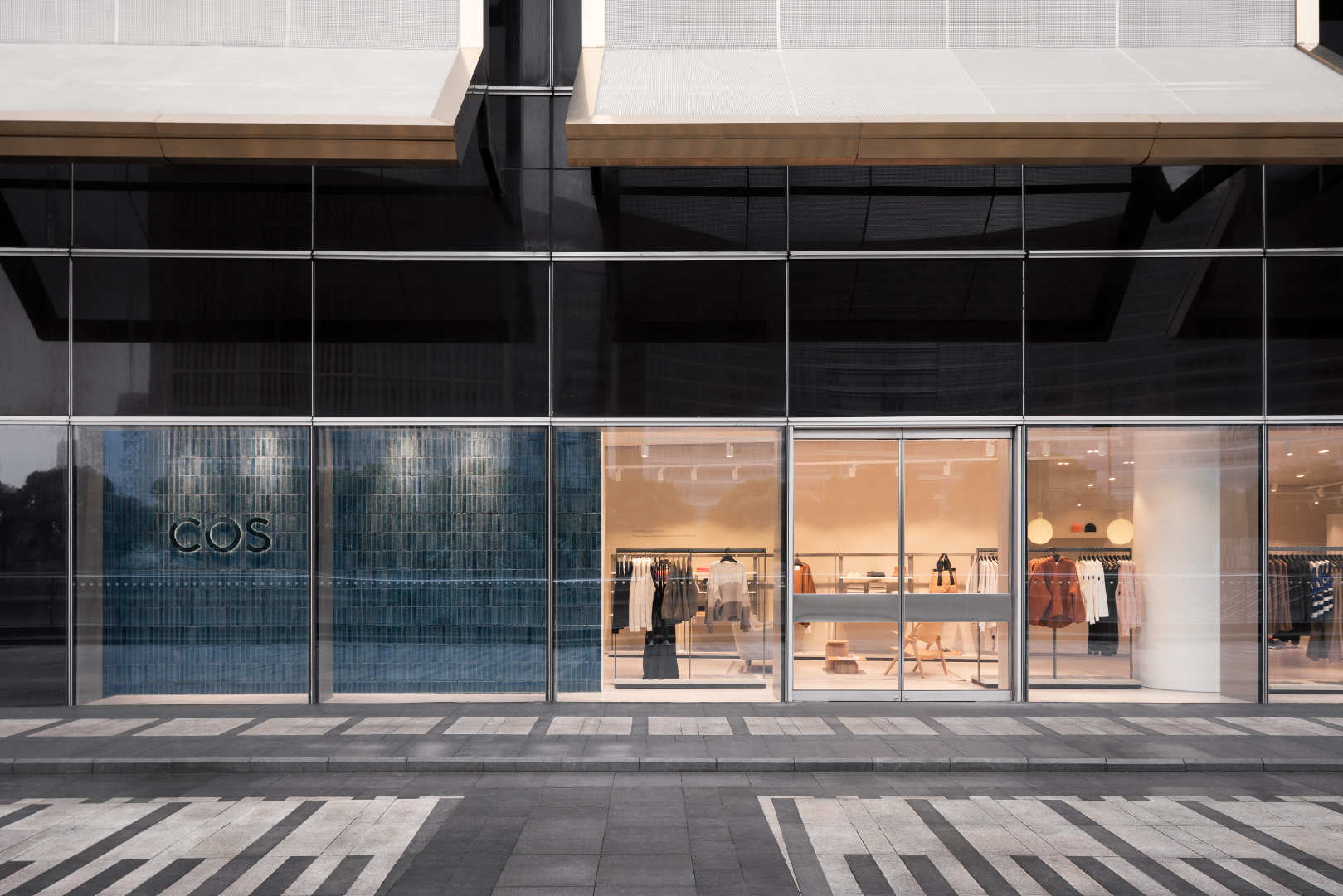
H&M姊妹品牌COS重启中国扩张计划
Xin Lang Cai Jing· 2025-05-09 11:32
Group 1 - COS, a brand under H&M Group, is restarting its expansion plan in China, opening new stores in major cities like Beijing and Shenzhen after nearly two years of inactivity [1][4] - As of now, COS has a total of 40 stores in China, with a focus on first-tier and new first-tier cities, maintaining a similar strategy to its previous expansion efforts [1][3] - The brand's recent store openings are part of a broader trend where fast fashion brands are facing challenges in the Chinese market, leading to a pause or reduction in expansion for many mid-range brands [3][4] Group 2 - COS's store selection criteria resemble those of luxury brands, primarily opening in high-end projects managed by top real estate developers [6] - The brand has gained attention as a "premium alternative" amid the global luxury market slowdown, with a notable rise in its ranking on fashion search engines [6][7] - COS has launched a high-end line, COS Atelier, to differentiate itself further, although the effectiveness of this strategy remains uncertain [7][8]