
婚纱礼服

Search documents
全国第一!广东服装,凭什么卖爆全球?
21世纪经济报道· 2026-01-31 03:56
Core Viewpoint - The article emphasizes the significance of Guangdong's manufacturing industry, particularly in the apparel sector, highlighting its global competitiveness and the launch of the "Guangdong Goods Going Global" spring campaign to promote local brands and products [1]. Apparel Industry Overview - The apparel industry is closely linked to daily life, with design, sales, and supply chain collaboration being crucial for brand competitiveness [1]. - Guangdong stands out in the apparel sector, hosting seven world-class industrial clusters, including Humen women's wear and Dawang wool knitting, contributing significantly to global apparel production [1]. - Notably, one in five sweaters globally comes from Dawang, and one in three jeans comes from Xintang [1]. Key Brands and Their Achievements - **UR**: Founded in 2006 in Guangzhou, it pioneered the "fast luxury fashion" model with over 500 global designers and a flexible supply chain, launching over 15,000 new products annually, leading in both retail sales and store count in China [4]. - **Biem**: Known as "the Moutai of clothing," it specializes in high-end sports and golf apparel, achieving a revenue of 8.2 billion yuan in the first three quarters of 2025, leading the high-end apparel market [6]. - **Urban Lady**: Established in 1998, it is the first listed lingerie company in Hong Kong, leading in women's lingerie sales for eight consecutive years, with over 4,500 stores nationwide [8]. - **Kelaidier**: A prominent high-end women's wear brand, it achieved a revenue of 90 million yuan in the first half of 2025, showcasing the strength of Guangdong manufacturing [10]. - **Mingrui**: Based in Chaozhou, it specializes in wedding dresses, producing around 20,000 pieces annually, with over 95% exported, generating sales of 800 million yuan [14]. - **Lihua**: A century-old brand in the knitted apparel sector, recognized for its quality and craftsmanship [15]. - **Exception**: Founded in 1996, it integrates traditional craftsmanship with modern design, showcasing its products at international events [18]. - **Inman**: Established in 2008, it focuses on cotton and linen apparel, with over 400 stores and significant online sales growth [20]. Industry Trends - Guangdong's apparel industry is evolving towards high-end, intelligent, green, and integrated manufacturing, with over 2,500 regulated apparel enterprises, accounting for 18% of the national total [23].


浓浓爱意满邢襄,邢台“甜蜜经济”持续升温!
Xin Lang Cai Jing· 2026-01-02 12:19
Group 1 - The article highlights the vibrant consumer activity in Xingtai during the New Year, driven by various themed events and activities that cater to couples, creating a romantic atmosphere [1][2][6] - The wedding industry is a significant contributor to the local economy, with half of the businesses in the 1979 Xingtai Creative Town related to wedding services, leading to a projected 35% increase in surrounding consumption by 2025 due to new wedding-related merchants [2] - Cultural events, such as the performance of the original historical stage play "Yu Ruan Bridge" and the "Hehe Welcomes the New Year" show, enhance the festive spirit and attract couples, showcasing a blend of traditional culture and modern entertainment [3][4] Group 2 - The scenic spots in Xingtai, such as the Tianhe Mountain and the ice waterfall, provide romantic backdrops for couples, contributing to the area's appeal as a destination for love and celebration [6] - The diverse offerings, including food, entertainment, and cultural experiences, create a comprehensive and immersive experience for visitors, further stimulating local economic growth [2][3][6] - The overall theme of "sweet economy" is emphasized, indicating a growing trend in consumer preferences towards experiences that foster romance and connection during festive occasions [1][2]
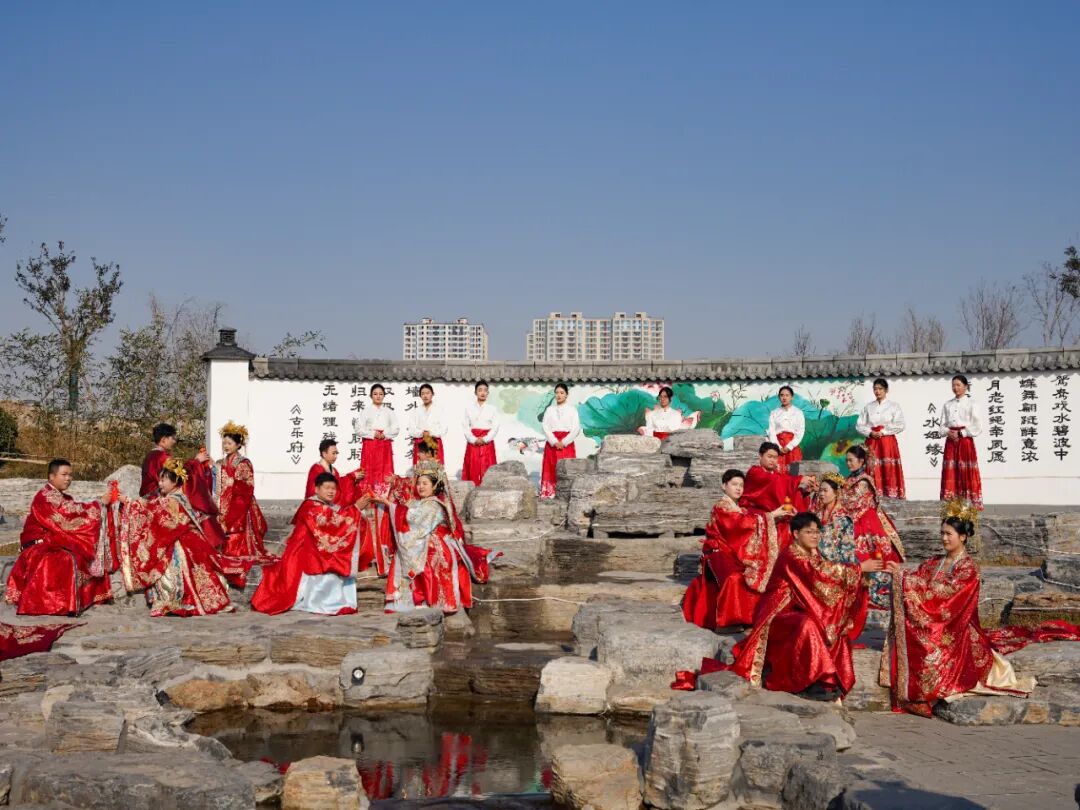
“以租代买”正成为一种全新的消费风尚——年轻人为何爱上租赁
Sou Hu Cai Jing· 2025-12-02 06:18
Core Viewpoint - The rise of the rental economy in China is transforming consumer behavior, particularly among younger generations, emphasizing experiences over ownership and leading to a significant increase in rental transactions and user engagement [8][12][15]. Industry Overview - The rental economy in China is projected to exceed 4.2 trillion yuan in transaction volume by 2024, marking a 32% year-on-year growth, with over 750 million users served [8]. - Users aged 30 and below account for over 60% of the rental market, with orders from the post-2000 generation doubling year-on-year [8]. Consumer Behavior - Young consumers prefer renting as it aligns with their desire for flexibility and experience, with over 60% of surveyed individuals indicating that rental options better meet their lifestyle needs [13]. - The shift from ownership to rental is driven by a desire for variety and sustainability, with many young people viewing rental as a way to enjoy new experiences without the burden of ownership [12][13]. Market Trends - The rental market is expanding beyond traditional categories like housing and vehicles to include a wide range of products such as clothing, photography equipment, and outdoor gear [10][11]. - Specific rental categories, such as wedding dresses and children's strollers, have seen search volume increases of 109%, 89%, and 165% respectively [10]. Technological Impact - Advances in technology are making the rental process more efficient and user-friendly, with platforms offering transparent pricing and streamlined rental experiences [14][16]. - The integration of digital payment systems and credit scoring is expected to enhance consumer trust and reduce barriers to entry in the rental market [15][16]. Challenges and Solutions - The rental industry faces challenges related to trust and credit, with issues such as deposit disputes and data privacy concerns affecting consumer willingness to engage [15]. - Experts suggest that building a robust credit system and enhancing service standards are crucial for the sustainable growth of the rental economy [15][16].

解好租赁消费热带来的新问题
Jing Ji Ri Bao· 2025-10-11 00:38
Group 1 - The core viewpoint is that the rental consumption trend is gaining popularity among younger generations, particularly those born in the 1990s and 2000s, driven by a desire for cost-effectiveness and experiential value [1][2] - In August 2023, the search volume for "camera rental," "wedding dress rental," and "children's stroller rental" increased by 63%, 109%, and 165% year-on-year, indicating a significant shift in consumer behavior towards renting rather than owning [1] - The rental economy in China is projected to exceed 4.2 trillion yuan in transaction volume in 2024, reflecting a year-on-year growth of 32%, showcasing the market's potential [2] Group 2 - The transformation in consumer philosophy has opened up opportunities in the rental market, but challenges such as product discrepancies, contract traps, and difficulties in after-sales service need to be addressed [2] - As the rental market expands and diversifies, there is a need for standardization, which includes transparent contracts, regulated processes, and efficient after-sales support [2] - Companies should innovate their service models to meet the evolving demands of consumers, such as offering personalized rental plans and integrating rental services with other industries like tourism and health [3]
这些年轻人为何偏爱“租赁消费”
Ren Min Ri Bao· 2025-09-17 21:57
Core Insights - The trend of rental consumption is rapidly growing among young consumers, with a focus on experiences over ownership [2][3] - Diverse rental demands are evident, with significant year-on-year increases in searches for various rental categories, indicating a broadening of rental applications [2] - The rental market is expanding quickly, leading to both opportunities and challenges, including consumer rights disputes and the need for regulatory frameworks [2][3] Group 1: Rental Market Trends - Young consumers, particularly those born in the 1990s and 2000s, are becoming the main force in rental consumption, prioritizing experience and cost-effectiveness [2] - Search volume for rental categories has seen substantial growth: camera rentals up 63%, wedding dress rentals up 109%, drone rentals up 89%, and children's stroller rentals up 165% [2] - Businesses are adapting to consumer needs by offering bundled rental packages, such as travel photography kits and camping sets, reflecting a trend towards "scenario-based rentals" [2] Group 2: Challenges and Recommendations - The rapid growth of the rental market has led to increased consumer disputes, highlighting the need for a governance system involving government, platforms, businesses, and consumers [2] - Experts recommend that companies should standardize services to ensure transparency and enhance user experience, while consumers should engage in transactions on reputable platforms and be vigilant about agreements and item conditions [3]
从景区汉服到婚礼婚纱:服装租赁产业规模持续增长,新模式激活消费潜力
Yang Shi Wang· 2025-09-17 10:10
Core Viewpoint - The clothing rental market is experiencing significant growth driven by sustainable consumption and the sharing economy, particularly among younger consumers seeking personalized and unique fashion options [1][10]. Group 1: Market Trends - The clothing rental market is expanding into various consumer sectors, with a notable increase in demand for unique attire, especially in tourist areas and among students [1][5]. - In tourist spots like Nanjing, rental shops offering traditional costumes are thriving, enhancing visitors' cultural experiences [3]. - The rise of online short dramas has led to increased demand for diverse costumes and props, prompting rental businesses to expand their inventories [7]. Group 2: Consumer Behavior - Students are a significant demographic for clothing rentals, as they often require costumes for events and activities, making rental services a cost-effective solution [5]. - Wedding attire, particularly wedding dresses, remains the largest segment in the rental market, with a 109% year-on-year increase in search volume for wedding dress rentals [9]. Group 3: Future Opportunities - The clothing rental industry is projected to continue its growth, with an online platform reporting a user base exceeding 50 million by mid-2025 and a 52% increase in order volume [12]. - Experts suggest exploring innovative business models such as "rental + subscription" and "rental + purchase" to meet diverse consumer needs and enhance the rental market's efficiency [12].
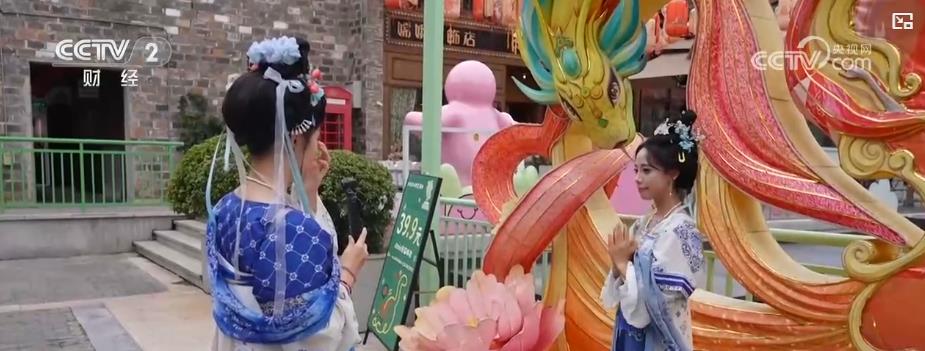
年轻人为何偏爱“租赁消费”?
Sou Hu Cai Jing· 2025-09-11 19:15
Core Viewpoint - The rental economy is rapidly growing in China, driven by a shift in consumer preferences among young people who favor "usage over ownership" and seek flexible, cost-effective solutions for various products and services [2][4][5]. Group 1: Market Growth and Trends - The rental economy in China is projected to exceed 4.2 trillion yuan in transaction volume by 2024, representing a 32% year-on-year growth, with over 750 million users [2]. - Diverse rental demands are evident, with significant increases in search volumes for camera rentals (63%), wedding dress rentals (109%), and children's stroller rentals (165%) in August [2]. - The rental market has expanded from traditional categories like housing and vehicles to include apparel, beauty products, digital devices, and baby products, showcasing a trend towards diversification and digital services [3][4]. Group 2: Young Consumers as Key Drivers - Young consumers, particularly those born in the 1990s and 2000s, are becoming the main force in the rental market, emphasizing experiences over ownership and valuing cost-effectiveness and environmental considerations [5]. - The concept of "shared wardrobes" is gaining popularity among young people, allowing them to access a variety of clothing styles at a lower cost, thus freeing up space at home [4]. Group 3: Challenges and Recommendations - The rapid expansion of the rental market has led to increased consumer disputes and challenges such as unclear contracts and damage assessments [6]. - Experts suggest establishing a multi-stakeholder governance system involving government, platforms, businesses, and consumers to regulate the rental market effectively [6]. - Recommendations include enhancing service standards, ensuring transparency in contracts, and exploring innovative business models like "rental + subscription" to meet diverse consumer needs [6].
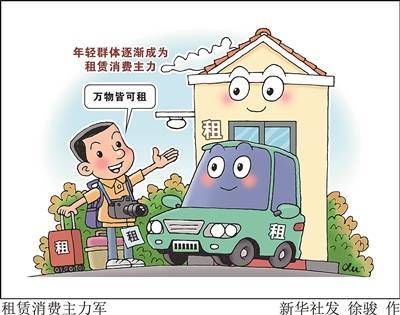
财经聚焦丨这些年轻人为何偏爱“租赁消费”?
Xin Hua Wang· 2025-09-10 09:28
Core Insights - The rental economy is rapidly expanding in China, with a projected transaction scale exceeding 4.2 trillion yuan in 2024, representing a 32% year-on-year growth, and serving over 750 million users [3][4] - Young consumers are increasingly favoring rental consumption over ownership, driven by a desire for flexibility and cost savings [5][6] Group 1: Market Trends - The rental market has diversified beyond traditional categories like housing and vehicles to include clothing, beauty products, digital devices, and outdoor equipment, showcasing a trend of "diversified categories, digital services, and quality demand" [4][6] - Data from Meituan indicates a significant increase in rental demand across various categories, with searches for "camera rental" up 63%, "wedding dress rental" up 109%, and "children's stroller rental" up 165% in August [3][6] Group 2: Consumer Behavior - Young consumers, particularly those under 30, are becoming the primary drivers of the rental market, with over 60% of transactions on platforms like Zhima Rental coming from this demographic [6][7] - The shift in consumer mindset emphasizes experience over ownership, with many young individuals opting for rental services to meet their needs without the burden of ownership [5][6] Group 3: Challenges and Recommendations - The rapid growth of the rental market has led to increased consumer disputes and challenges, such as unclear contracts and damage assessments [7][8] - Experts suggest the establishment of a multi-stakeholder governance system involving government, platforms, businesses, and consumers to regulate the rental market effectively [8]

“裁”出无可替代“幸福产业”!“智”造“云”销 企业“创”出新天地
Yang Shi Wang· 2025-08-03 07:58
Core Insights - Chaozhou, Guangdong is a globally recognized production base for wedding dresses and formal attire, producing over 20 million sets annually, with over 90% for export [1] - Despite changing external environments since 2025, Chaozhou wedding dresses remain the preferred choice for many overseas clients, particularly in the United States [1] Production and Demand - In the U.S., brides typically prefer to purchase rather than rent wedding dresses, leading to a stable demand for timely deliveries [3] - Orders from U.S. clients are prioritized to avoid tariff increases, with factories actively fulfilling these orders [3] - Chaozhou factories are also catering to orders from Europe, Latin America, and the Middle East, each with specific design preferences [5] Craftsmanship and Supply Chain - Chaozhou wedding dresses are considered irreplaceable due to their traditional craftsmanship and a well-established supply chain [5][9] - The intricate craftsmanship, such as bead embroidery, requires precision, making it challenging to shift production to lower-cost regions [9] - A long-standing domestic supply chain for raw materials further solidifies the reliance on Chinese production [11] Innovation and Market Expansion - Chaozhou wedding dress companies are innovating while maintaining traditional techniques, exploring new sales channels through the internet [12] - The introduction of new technology, such as a computer program for bead embroidery, is being researched to enhance production efficiency [13] - The rise of cross-border e-commerce has significantly boosted sales, with companies leveraging platforms like AliExpress, Amazon, and SHEIN [17] Changing Production Models - The industry is shifting from high-volume, low-variety production to small-batch, customized orders [19] - A factory in Anhui is responding to specific client requests, demonstrating the effectiveness of digital communication in securing orders [21]
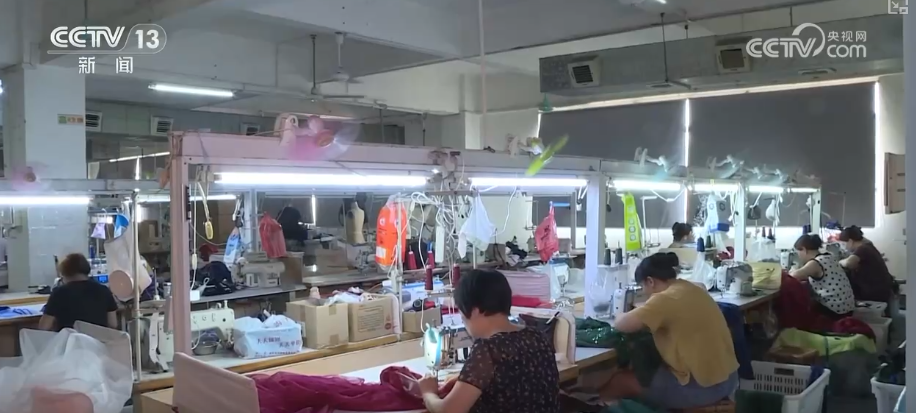
2025上海国际婚纱展及2025上海国际影像展联袂在沪举办
Zhong Guo Xin Wen Wang· 2025-07-17 16:50
Group 1: International Wedding Dress Exhibition - The 2025 Shanghai International Wedding Dress, Makeup Styling, and Fashion Accessories Exhibition attracted over 200 brands from 14 countries and regions, showcasing more than 2,000 original new products [1] - Chinese designers presented upgraded works, incorporating traditional embroidery, Chinese patterns, and retro colors with modern cutting techniques and advanced fabric technology, reflecting a blend of innovation and tradition [1] - The exhibition featured a strong lineup of international brands, including the debut of Ukrainian brand Lietta in China and participation from various renowned brands across multiple countries, highlighting the diverse appeal and cutting-edge trends in overseas design [2] Group 2: Consumer Trends and Market Response - Consumers are increasingly rational and pragmatic in their wedding dress choices, with "value for money" becoming a core decision factor, prompting a diverse brand matrix and product levels at the exhibition [2] - Local designer brands leverage their understanding of domestic consumer needs, flexible supply chains, and cultural resonance to offer competitive pricing while maintaining excellent design and craftsmanship [2] - The integration of sustainable concepts and the use of eco-friendly materials are becoming common directions for both domestic and international brands to enhance the long-term "value perception" of their products [2] Group 3: International Imaging Exhibition - The 2025 Shanghai International Imaging Exhibition attracted approximately 350 exhibitors and brands from 11 countries and regions, showcasing a wide range of new trends, products, and technologies in the imaging industry [3] - The exhibition included multiple sub-exhibitions, covering areas such as photography equipment, video production technology, and portrait photography, promoting cross-industry integration with business, culture, and tourism [3] - Major brands like Fujifilm, Canon, and Nikon showcased new products featuring advanced functionalities such as smart composition and AI enhancements, while AI companies introduced innovative applications to improve photo editing quality and efficiency [3] Group 4: Industry Development and Activities - The exhibition featured a series of events organized by the Shanghai International Trade Promotion Commission and other associations, aimed at discussing industry trends and sharing creative experiences [4]