情感投资回报率

Search documents
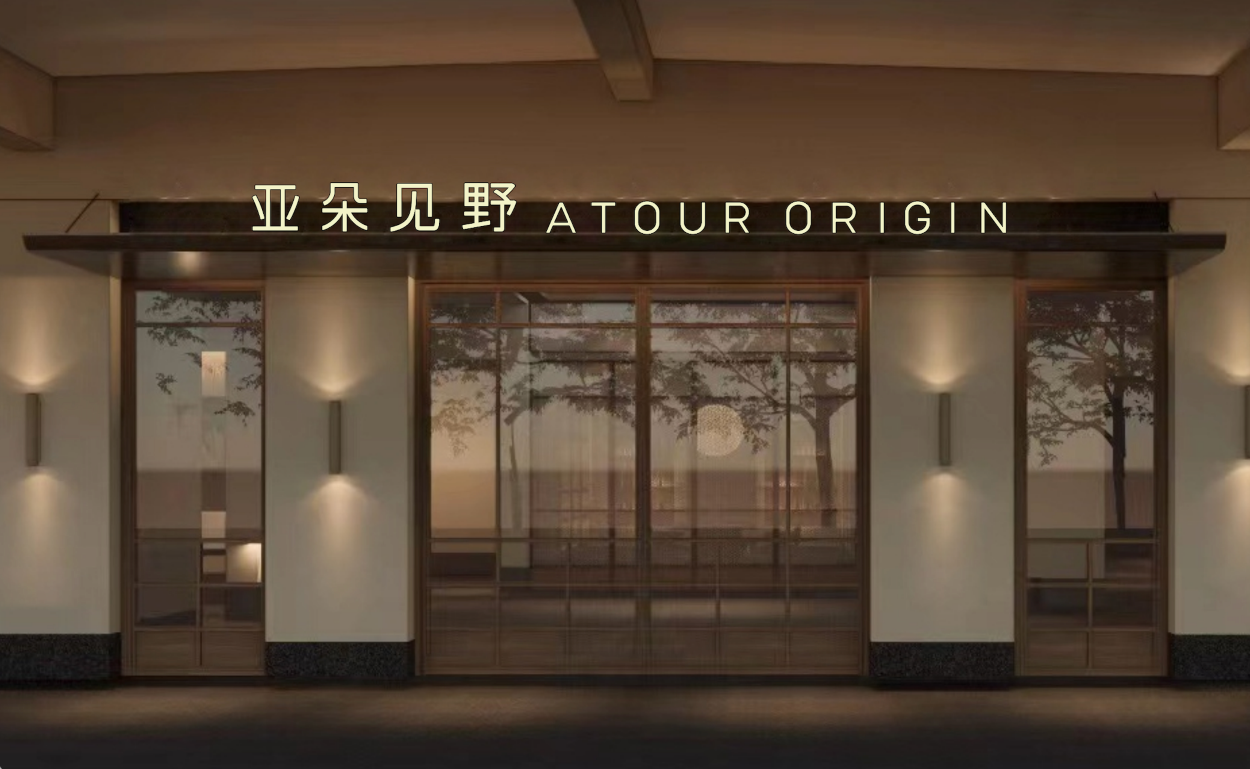
酒店业下半场:亚朵用“见野”上场,情感价值能否成为新的效率指标?
Di Yi Cai Jing· 2026-02-10 09:23
Core Insights - At a time when the hotel industry is focused on "efficiency above all," Atour has taken a seemingly counterintuitive step by independently launching its mature product line "Jianye" as a new brand, aiming to explore whether emotional value generated by "inner peace" can become a quantifiable and sustainable business value [1][2][4] Group 1: Brand Evolution and Strategy - The independent launch of "Jianye" represents a fundamental shift in Atour's growth logic, moving from physical replication of space to a focus on the mental and emotional needs of users [1][3] - Atour's new three-year strategy, "Chinese Experience, Brand Leadership," aims to respond to the deeper needs of consumers as the experience economy matures, marking a significant evolution in the service industry [1][2][3] Group 2: Market Position and Consumer Demand - The mid-to-high-end hotel segment has maintained double-digit growth for five consecutive years, with over 70% of new openings in this category, highlighting the importance of this market segment [3] - Atour's founder believes that the mid-to-high-end price range is crucial, but there is a challenge in meeting the demands of consumers seeking more personalized experiences [3][4] Group 3: Experience Design and Emotional Value - "Jianye" aims to redefine high-end experiences by focusing on creating a unique emotional state rather than just providing better hardware and services [6][7] - The brand emphasizes "scene economics," offering not just a comfortable sleeping space but a carefully designed experience that resonates with the core value of "inner peace" [7][8] Group 4: Business Model and Financial Viability - The "Jianye" model has undergone market validation, with 50 locations opened across 30 cities since its inception, indicating a positive market reception [11][12] - The average RevPAR for locations operating for over three months is approximately 500 yuan, with over 60% of user reviews highlighting aspects like "quietness" and "relaxation" [12][13] - Consumers are willing to pay a 6% premium for the emotional value offered by "Jianye," demonstrating a clear market trust in the brand's emotional narrative [13] Group 5: Future Implications and Industry Impact - "Jianye" serves as a case study for the broader service industry, suggesting that true differentiation may stem from addressing deep human needs and providing a sanctuary for modern individuals [15] - The brand's approach to emotional investment returns could redefine competitive advantages in a highly homogeneous service market, emphasizing the importance of personalized and measurable emotional experiences [15]


2026年中国烘焙什么在变?于不确定时代,追寻烘焙“确定性”价值
东京烘焙职业人· 2026-01-01 08:33
Core Insights - The Chinese baking industry is entering a rational and profound value reconstruction period after years of rapid growth and intense competition, with consumers increasingly seeking emotional compensation and psychological fulfillment from their food choices [1][2]. Consumer Trends - The year 2026 is expected to be a period of restructured consumer motivations rather than a year of explosive growth for any single flavor or category, with brands needing to provide a sense of certainty and value to consumers [3]. Psychological Drivers of Consumer Behavior - **Self-Indulgence**: The trend of "single-person consumption" is evolving into a high-quality ritual of solitude, with single orders increasing from 31% in 2021 to 47% by 2025 globally, particularly in first-tier and new first-tier cities in China [4]. - **Micro Control**: In an uncertain environment, small, autonomous consumer choices serve as a psychological compensation mechanism, allowing consumers to regain a sense of control through customizable options [6][7]. - **Emotional Investment**: Consumers are increasingly focused on the emotional return on investment, seeking products that enhance their experiences and social currency, willing to pay a premium for items that resonate with their current mood and elevate their social interactions [9][10]. Market Trends - **Return of Classic Flavors**: Traditional flavors like Tiramisu and honey butter are experiencing a resurgence, with innovative adaptations in various products, enhancing sensory experiences [13]. - **Emerging Flavors**: Yuzu and black sesame are gaining traction, representing not just taste but also cultural confidence and health concepts [15]. - **Texture as a Key Factor**: Distinctive textures are becoming critical in driving purchase decisions, with consumers favoring products that offer a variety of mouthfeel experiences [17][19]. - **All-Weather Consumption**: Products need to adapt to fragmented lifestyles, with a shift towards portable, easy-to-eat options that cater to on-the-go consumption [20][23]. Strategic Considerations - The baking industry must discern which trends warrant sustained investment and which are more suitable for temporary experimentation, as consumers are becoming clearer about their needs [24]. - Future competition will hinge on brands being remembered and chosen at the right moments, rather than merely increasing output [25].