
惠企政策

Search documents
电子书丨2026年惠企政策如何申报?这份指南告诉您→
Xin Lang Cai Jing· 2026-02-27 10:37
Group 1 - The article discusses the release of the "2026 Enterprise Policy Service Guide" by the Fujian "Government-Enterprise Direct Connection" platform, aimed at implementing the spirit of the 20th Central Committee and the Central Economic Work Conference [2][6] - The guide includes 48 policies categorized into six main types: enterprise recognition, technological innovation, talent support, green energy conservation, industrial support, and financial tax incentives [2][6] - The initiative is designed to help enterprises conveniently access and benefit from these policy advantages, aligning with the provincial economic work meeting's deployment [2][6] Group 2 - The guide is supported by provincial departments related to enterprise affairs, ensuring a comprehensive approach to policy implementation [2][6] - The document is available in an electronic format for easy access, encouraging businesses to utilize the resources provided [4][8]


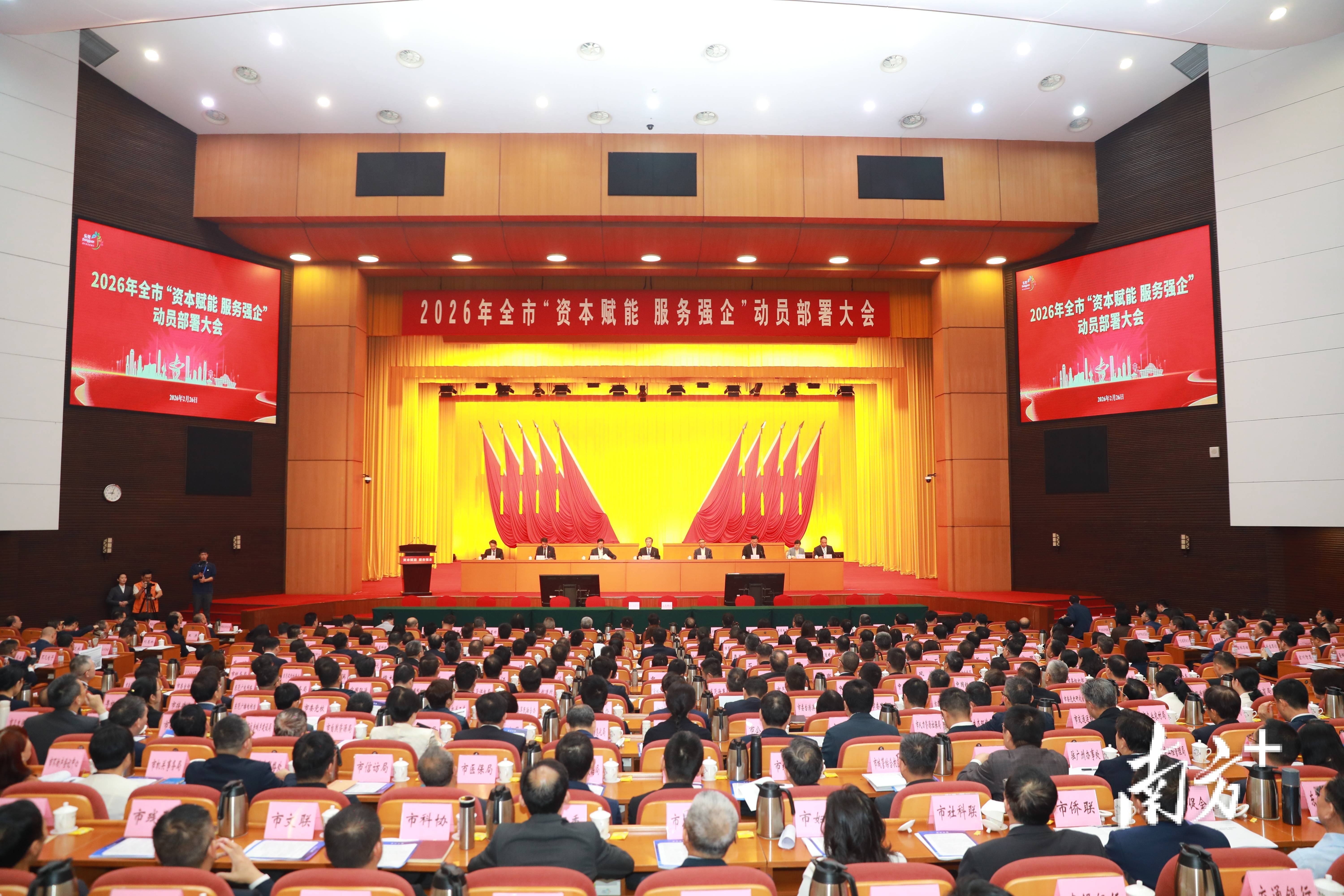
最高奖1.5亿元!东莞发布五大领域惠企政策
Sou Hu Cai Jing· 2026-02-26 16:54
Core Insights - Dongguan City held a mobilization and deployment conference titled "Capital Empowerment, Service Strong Enterprises," focusing on the development needs of enterprises and deploying various services to support high-quality development in the manufacturing sector [1][5]. Group 1: Financial Support - Dongguan introduced measures to reduce operational costs for enterprises, including a 1% interest subsidy for bank loans used for equipment upgrades, with a maximum annual subsidy of 5 million yuan per enterprise [6]. - The city offers tiered support for technological transformation, with central government projects receiving up to 20% support on new equipment purchases, provincial projects up to 18% (maximum 18 million yuan), and municipal projects up to 13% (maximum 13 million yuan) [6]. - For digital transformation, Dongguan rewards enterprises recognized as "Digital Leaders" or "5G Factories" with up to 10 million yuan and 5 million yuan, respectively, and provides additional rewards for smart manufacturing initiatives [6]. Group 2: Foreign Investment Attraction - To enhance the foreign investment environment, Dongguan introduced policies allowing foreign enterprises to reinvest profits domestically without a 10% withholding tax and to offset corporate income tax by 10% of the reinvestment amount [10]. - The city expanded its foreign investment reward policy, offering up to 3% of actual foreign investment for projects with over 10 million USD, with a maximum reward of 150 million yuan for manufacturing and 80 million yuan for non-manufacturing projects [10]. Group 3: Land Use and Approval Efficiency - Dongguan implemented policies to alleviate land use concerns, offering price discounts for eligible listed companies and allowing installment payments for land transfer fees [13]. - The city introduced a "zero-cost increase" policy for land use, enabling companies to apply for increased land use intensity without additional fees, and improved approval efficiency, reducing project timelines significantly [13]. Group 4: Talent Development - Dongguan plans to invest 5 billion yuan over the next three years and at least 8 billion yuan over five years to support talent development, focusing on industrial and innovative talent [14][17]. - The city offers financial rewards for companies that successfully recruit talent, with varying amounts based on talent classification, and provides support for training and research initiatives [14][17]. - Additional incentives include housing subsidies and comprehensive services for high-level talent, ensuring retention and support for innovation [17]. Group 5: Service Experience Enhancement - Dongguan promotes a "no application, immediate enjoyment" service model for certain subsidies and a "quick application, quick enjoyment" model through the "Qiguanjia" platform, streamlining the process for enterprises to access benefits [18]. - The conference represents a concrete step in Dongguan's commitment to enhancing the business environment and activating market vitality, with ongoing efforts to refine and implement enterprise support policies [18].
“惠企实事”落地见效 首月为企减负1.4亿元
Sou Hu Cai Jing· 2026-02-15 10:02
Core Insights - The government of Zhaotong City has implemented a significant reduction in bid guarantee deposits for investment projects, totaling 144 million yuan, with a reduction rate of 84.59% [1][2] - The policy aims to alleviate financial pressure on enterprises and stimulate market vitality, with the highest single bid segment reduction reaching 78 million yuan [1] Group 1 - The implementation of the policy is part of the "Ten Beneficial Measures for Enterprises" initiative, which includes the adoption of insurance guarantees to replace cash deposits for bid guarantees [1][2] - The successful case of the geological disaster relocation project in Suijiang County serves as a model for effective policy execution, attracting 260 companies to participate in the bidding process [1][2] - The project reduced the legal maximum bid guarantee from 500,000 yuan to 200,000 yuan, directly relieving each bidding enterprise by 300,000 yuan, resulting in a total financial relief of 78 million yuan for this segment [1] Group 2 - The systematic and institutional support for the "Beneficial Measures" is reflected in the implementation plan by the Zhaotong City Government Service Management Bureau, which sets a target for an overall reduction rate of no less than 75% [2] - The successful implementation of the Suijiang County project provides a practical demonstration for the deeper rollout of beneficial policies across the city [2] - Zhaotong City plans to build on the initial success of the policy in January 2026, aiming to expand the coverage and benefits of the policy to create a fair, efficient, and convenient government service environment [2]
双城区工商联:推动惠企政策直达快享
Xin Lang Cai Jing· 2026-02-04 20:31
Core Viewpoint - The article highlights the efforts of the Shuangcheng District Federation of Industry and Commerce to optimize the business environment and foster a positive government-business relationship, thereby contributing to regional economic development [1] Group 1: Government-Business Communication - The district's Federation of Industry and Commerce has established a communication bridge between government and enterprises to address development challenges faced by businesses [1] - In 2025, the Federation plans to organize seven government-enterprise communication activities, including two policy interpretation meetings, one bank-enterprise matching meeting, one government-business salon, and two small tea gatherings [1] Group 2: Policy Interpretation and Support - Regular policy interpretation meetings are held, inviting relevant departments such as industry and information technology, development and reform, and taxation to engage directly with enterprises, ensuring they understand and benefit from supportive policies [1] - The initiative aims to facilitate the direct delivery of policy benefits to various business entities [1] Group 3: Financial Support for Private Enterprises - The Federation leads the organization of bank-enterprise matching meetings to enhance financial support for the private economy, promoting collaboration and mutual benefits between banks and enterprises [1] - During a recent event, 34 enterprises engaged with 10 banks, resulting in the signing of intention loan agreements amounting to 25 million yuan, effectively alleviating financing difficulties for private enterprises [1] Group 4: Employment and Community Engagement - The Federation encourages private enterprises to participate in the "Ten Thousand Enterprises Revitalize Ten Thousand Villages" initiative, guiding companies like Damu Ren Livestock Group to collaborate with local communities, creating over 10 job opportunities [1]
全面落实惠企政策 为企业做大做强营造良好环境
Xin Lang Cai Jing· 2026-01-23 21:55
Group 1 - The core message emphasizes the importance of innovation and support for enterprises as key drivers of economic development in Liaoning province [2] - The provincial政协主席周波 visited various companies, including营口大力汽保设备科技有限公司 and营口风光新材料股份有限公司, to understand their production and operational conditions [1][2] - 周波 praised the innovative products developed by the companies, such as the domestically first road force wheel balancer and fully automatic hydraulic tire dismounting machine, encouraging increased R&D investment and collaboration with educational institutions [1] Group 2 - During the visit, a meeting was held to address challenges faced by enterprises, with suggestions made regarding lowering policy thresholds, increasing financial support, and strengthening resource guarantees [2] - 周波 highlighted the need for local governments to optimize the business environment and implement targeted support policies to resolve issues in project construction, R&D innovation, and market expansion [2] - There is a strong emphasis on supporting specialized and innovative enterprises to enhance their core competitiveness and contribute to the high-quality development of the petrochemical industry in the province [2]
北京:集中推出一批增量政策举措
Xin Lang Cai Jing· 2026-01-16 04:41
Core Viewpoint - Beijing's municipal government has set clear goals and key tasks for the year, focusing on optimizing real estate policies and enhancing support for enterprises [1] Group 1: Policy Initiatives - The recent policies include adjustments to real estate regulations, a toolbox for urban renewal, flexible land transfer for industrial use, and improved mid-term service capabilities [1] - Incremental policy measures are being prepared by various departments and will be rolled out gradually [1] Group 2: Economic Support Measures - The city plans to introduce several initiatives by 2026 aimed at stabilizing and advancing the economy, with a focus on tangible support for businesses [1] - Policies to promote the construction of the Beijing-Tianjin-Hebei International Science and Technology Innovation Center and to foster high-quality development in the animation industry are expected to be released in the first quarter [1] Group 3: Funding and Support Guidelines - Guidelines for applying for special funds in various fields, including high-precision and cutting-edge industry development projects, are also anticipated to be published quickly in the first quarter [1]
让政策找企业
Xin Lang Cai Jing· 2026-01-10 23:42
Group 1 - The core viewpoint emphasizes the importance of tailored policies to enhance the business environment and support enterprises effectively [1][2][3] - The establishment of the "Min-Tai Food Inn" restaurant by Taiwanese entrepreneur Huang Yuhau highlights the positive impact of local government support, including rent reductions and assistance with school enrollment for children [1] - The Fujian provincial government has implemented a series of policies aimed at optimizing the business environment, which have led to significant benefits for enterprises, particularly small and medium-sized enterprises [2] Group 2 - There is a need for improved awareness and understanding of existing policies among businesses, as some companies struggle to access the benefits available to them [2] - The government aims to refine policy-making processes by gathering comprehensive feedback from enterprises to ensure that new policies are more targeted and effective [2] - The initiative to implement "no application required" reforms seeks to streamline the process for businesses to access policy benefits, utilizing data sharing and AI to match eligible companies with relevant policies [3]
监督“探头”架在政策落地前沿 让惠企红利“快到账”“准落袋”
Xin Hua Ri Bao· 2025-12-25 21:39
Group 1 - The article highlights the efficient implementation of business support policies in Nanjing Jiangbei New District, where a local AI technology company praised the quick response and funding received from the government [1] - The district's discipline inspection commission has established a specialized supervision team to address issues in policy execution, ensuring that business support policies effectively reach enterprises [1][2] - There are existing challenges in policy implementation, such as lack of awareness among businesses, complicated application processes, and delays in fund disbursement [1][2] Group 2 - The specialized team has created a comprehensive "policy list" that details each support policy, including responsible departments, application conditions, required materials, and timelines, making it easier for businesses to understand and utilize [2] - The team utilizes big data analysis to create an enterprise information database, categorizing businesses by type and regularly updating their operational status and policy needs to ensure comprehensive policy outreach [2] - A "problem list" is maintained to identify and address issues faced by businesses in the application process, with a focus on improving communication and collaboration among departments [2][3] Group 3 - To enhance the effectiveness of supervision, a "look-back" mechanism has been established to randomly check the optimized application processes, resulting in increased satisfaction among businesses [3] - The commission plans to continue refining the "three-list management" mechanism, focusing on the policy needs of key enterprises and further detailing supervision measures to facilitate the final stages of policy implementation [3]
省工信厅在城固召开惠企政策专题培训会
Sou Hu Cai Jing· 2025-12-24 21:36
Group 1 - The provincial industrial and information technology department held a training session in Chenggu County to enhance awareness and understanding of enterprise support policies and funding application processes among local businesses [1][3] - The training covered recent national policies such as long-term special bonds and equipment renewal loans, focusing on provincial funding support for key industries, application conditions, and performance management [3] - The session emphasized the importance of technology innovation policies, including R&D expense deductions and industry-academia-research cooperation, to guide enterprises in improving project application quality and effectively utilizing policy tools [3][4] Group 2 - Participating enterprises expressed that the training was highly informative and targeted, helping to clarify policy frameworks and address specific challenges in project applications [4] - Companies indicated a commitment to further learning about enterprise support policies and actively seeking resources to convert policy opportunities into tangible development outcomes [4]

服务做“加法” 成本做“减法”
Xin Lang Cai Jing· 2025-12-21 23:49
Group 1 - The core strategy of the South Taihu New District is to reduce costs and enhance services to boost industrial economy, achieving an industrial added value of 7.6 billion yuan from January to October, with a year-on-year growth of 14.5%, surpassing the city average by 5.8 percentage points [1] - A comprehensive policy dissemination network has been established, utilizing both online and offline channels to ensure effective communication of policies to enterprises, with a focus on tracking the implementation of these policies [1] - A problem-solving mechanism has been created to address issues faced by enterprises, with 39 entrepreneur forums held, resulting in 251 issues raised and a 100% satisfaction rate for the 241 resolved problems [1] Group 2 - The district has successfully secured various resources, converting policy opportunities into development benefits, with 10 projects receiving 121 million yuan in "two new" funding and 6 projects receiving 990 million yuan from new policy financial tools [2] - A total of 5.1 billion yuan has been allocated to enterprises this year, enhancing the effectiveness of policies and boosting enterprises' confidence in innovation and investment [2] - A specialized team for small and micro enterprise financing has been established to address common financing challenges, particularly for first-time loans, by collaborating with 21 financial institutions [2] Group 3 - A "thousand enterprises and ten thousand households" outreach initiative has been launched, targeting over 33,000 small and micro enterprises and individual businesses to address specific financing issues [3] - Customized financial solutions have been provided through coordination with banks, ensuring that financial resources are directed to the most needy sectors [3] - Green finance policies have been implemented, securing over 1.828 million yuan in interest subsidies for 22 enterprises, promoting funding towards green and low-carbon sectors [3]