意义感消费

Search documents
地摊上百的古戒网店9.9包邮!手作孤品全是话术,溢价骗哭年轻人
Sou Hu Cai Jing· 2025-12-04 21:08
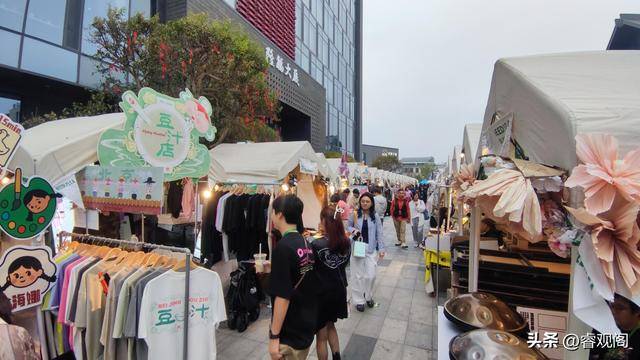
Core Viewpoint - The rise of creative markets has become a premium stage for Yiwu goods, driven by young consumers seeking unique experiences and emotional value in their purchases [1][2]. Group 1: Market Trends - Creative and retro markets are emerging as new landmarks for nighttime consumption, with over half of the 345 national-level nighttime cultural and tourism consumption clusters featuring market formats [1]. - Young consumers are not merely shopping but are pursuing a composite experience of emotional value, social currency, and self-expression, reflecting an upgrade from experiential consumption to meaningful consumption [2]. - The popularity of markets is attributed to young people's pursuit of "shared aesthetics," which provides a public space for emotional connections and alleviates the pressures of urban life [5]. Group 2: Consumer Behavior - A significant portion of young participants in offline markets, particularly those born after 1995 and 2000, accounts for over 70% of attendees, indicating a strong youth engagement in this trend [5]. - The immersive atmosphere of markets compensates for the shortcomings of e-commerce, such as waiting for deliveries, and serves as a new engine for driving offline consumption [7]. Group 3: Issues and Challenges - The market is facing challenges with rampant false advertising, where products labeled as "original," "handmade," or "vintage" are often just wholesale items marked up significantly [9]. - Consumers have reported instances of purchasing items at inflated prices, only to find them available at much lower prices on wholesale platforms, raising concerns about deceptive practices [11]. - The market's growth is squeezing out genuine creators, as many artisans struggle to meet demand while mass-produced goods easily fill market slots, leading to a "bad money drives out good" scenario [13]. Group 4: Regulatory and Industry Response - To combat the issue of false advertising, regulatory bodies are beginning to take action, with the State Administration for Market Regulation planning to introduce guidelines that prohibit false advertising and enforce platform responsibilities [15]. - Some regions have established standards for "original handmade" products, requiring complete craftsmanship processes and unique styles, which will help consumers make informed choices [17]. - The industry is encouraged to implement better screening and certification mechanisms, with successful examples from markets that require proof of design and production processes from vendors [17]. Group 5: Consumer Awareness - Consumers are advised to be vigilant against inflated prices and to verify claims of originality by asking for production evidence and using price comparison tools [19]. - It is recommended that consumers prioritize reputable markets and avoid impulsive purchases driven by the atmosphere [19].

逛市集的年轻人在“好好生活”
Zhong Guo Qing Nian Bao· 2025-11-07 00:20
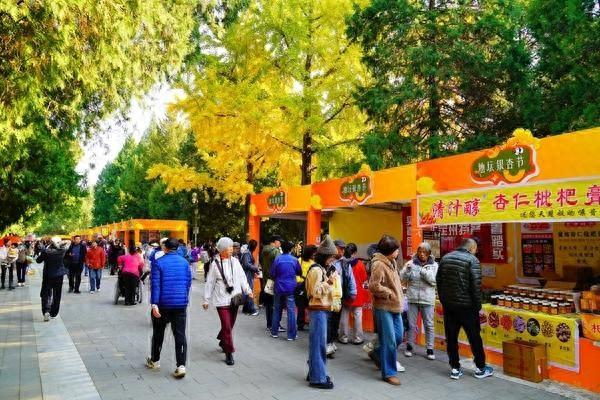
Core Insights - The article highlights the increasing popularity of offline markets, particularly the 11th Temple Ginkgo Cultural Festival in Beijing, which combines traditional culture with modern aesthetics, offering a multi-dimensional experience for visitors [2][4] Economic Context - The rise in consumer spending is noted as a key driver of economic growth, with retail sales in the first three quarters of the year showing a 3.5% year-on-year increase [2] - Emerging business formats, such as markets, are particularly appealing to younger consumers seeking unique experiences [2][4] Consumer Behavior - Young consumers are increasingly drawn to offline markets not just for purchasing goods but for the emotional and social experiences they provide, termed "meaningful consumption" [5][6] - The desire for real-world interactions and experiences is rising as digital life saturates, leading to a compensatory need for physical engagement [4][6] Pricing Dynamics - Price sensitivity is a significant concern for young consumers, with many prioritizing value for money when shopping at markets [7] - High prices in markets are attributed to factors such as stall fees and the handmade nature of many products, which complicates the perception of value [7][8] Market Challenges - The market faces challenges such as high stall fees, which can range from 200 to 1000 yuan per day, and a lack of product diversity leading to consumer fatigue [8][9] - The proliferation of similar products across different markets contributes to a sense of sameness, diminishing the unique appeal of individual stalls [8][9] Future Directions - To thrive, offline markets must focus on content creation, interactive experiences, and community building to enhance consumer engagement [9][10] - Utilizing data analytics and AI for refined operations can help optimize market offerings and improve the overall consumer journey [10]