市集

Search documents
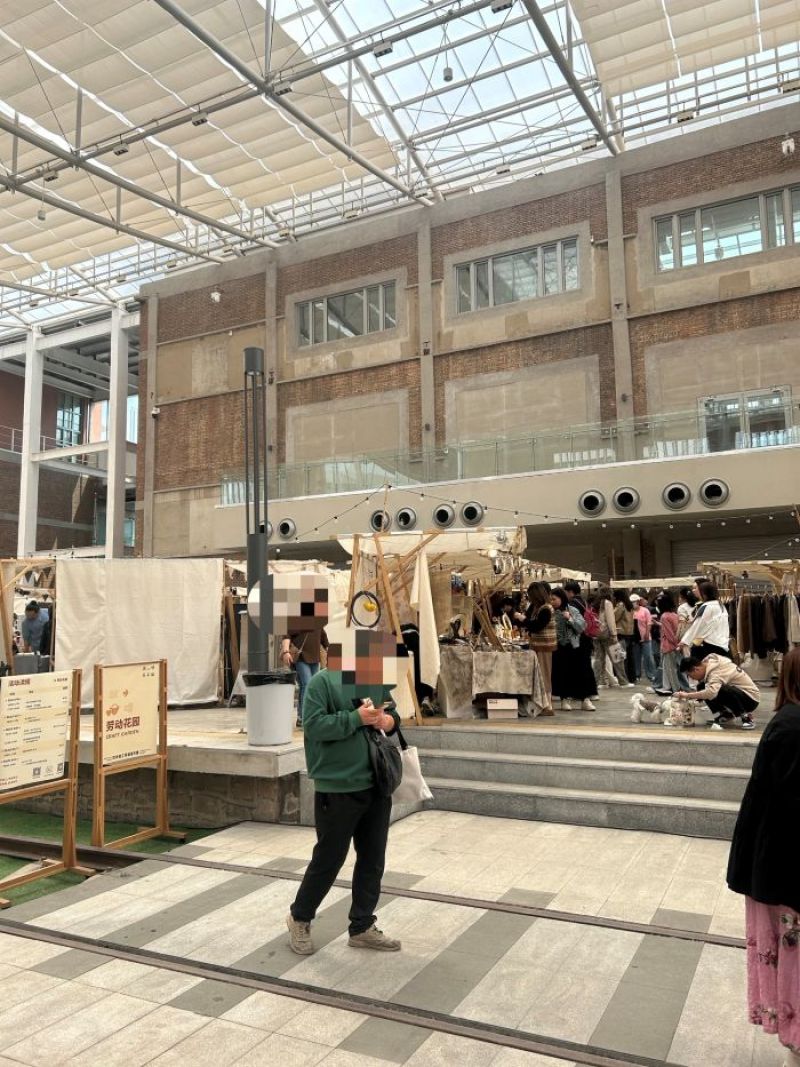
让市集经济百花齐放
Xin Lang Cai Jing· 2026-02-05 07:53
Core Viewpoint - Shanghai is actively building an international consumer center city, evolving its market economy towards diverse functions such as cultural experiences, community services, and social interactions [1] Group 1: Market Economy Development - The market economy aims to enhance both social and economic benefits while creating a distinctive market brand representative of Shanghai [1] - The development strategy includes categorizing markets based on core elements of Haipai culture, focusing on "intangible cultural heritage + cultural tourism" in historical areas, "convenience + health care" in community settings, and "trendy + IP" in commercial districts [1] Group 2: Operational Standards and Regulations - A standardized operational guideline titled "Shanghai Market Economy Operation Management Guidelines" will be established to improve market management [1] - The approval process will be optimized through a "one-stop filing + joint supervision" model, facilitating easier market establishment [1] - A credit evaluation system for market operators will be implemented to ensure accountability and quality [1]


地摊上百的古戒网店9.9包邮!手作孤品全是话术,溢价骗哭年轻人
Sou Hu Cai Jing· 2025-12-04 21:08
Core Viewpoint - The rise of creative markets has become a premium stage for Yiwu goods, driven by young consumers seeking unique experiences and emotional value in their purchases [1][2]. Group 1: Market Trends - Creative and retro markets are emerging as new landmarks for nighttime consumption, with over half of the 345 national-level nighttime cultural and tourism consumption clusters featuring market formats [1]. - Young consumers are not merely shopping but are pursuing a composite experience of emotional value, social currency, and self-expression, reflecting an upgrade from experiential consumption to meaningful consumption [2]. - The popularity of markets is attributed to young people's pursuit of "shared aesthetics," which provides a public space for emotional connections and alleviates the pressures of urban life [5]. Group 2: Consumer Behavior - A significant portion of young participants in offline markets, particularly those born after 1995 and 2000, accounts for over 70% of attendees, indicating a strong youth engagement in this trend [5]. - The immersive atmosphere of markets compensates for the shortcomings of e-commerce, such as waiting for deliveries, and serves as a new engine for driving offline consumption [7]. Group 3: Issues and Challenges - The market is facing challenges with rampant false advertising, where products labeled as "original," "handmade," or "vintage" are often just wholesale items marked up significantly [9]. - Consumers have reported instances of purchasing items at inflated prices, only to find them available at much lower prices on wholesale platforms, raising concerns about deceptive practices [11]. - The market's growth is squeezing out genuine creators, as many artisans struggle to meet demand while mass-produced goods easily fill market slots, leading to a "bad money drives out good" scenario [13]. Group 4: Regulatory and Industry Response - To combat the issue of false advertising, regulatory bodies are beginning to take action, with the State Administration for Market Regulation planning to introduce guidelines that prohibit false advertising and enforce platform responsibilities [15]. - Some regions have established standards for "original handmade" products, requiring complete craftsmanship processes and unique styles, which will help consumers make informed choices [17]. - The industry is encouraged to implement better screening and certification mechanisms, with successful examples from markets that require proof of design and production processes from vendors [17]. Group 5: Consumer Awareness - Consumers are advised to be vigilant against inflated prices and to verify claims of originality by asking for production evidence and using price comparison tools [19]. - It is recommended that consumers prioritize reputable markets and avoid impulsive purchases driven by the atmosphere [19].
扎堆“有风的地方”,这八大田园经济崛起
3 6 Ke· 2025-10-28 05:14
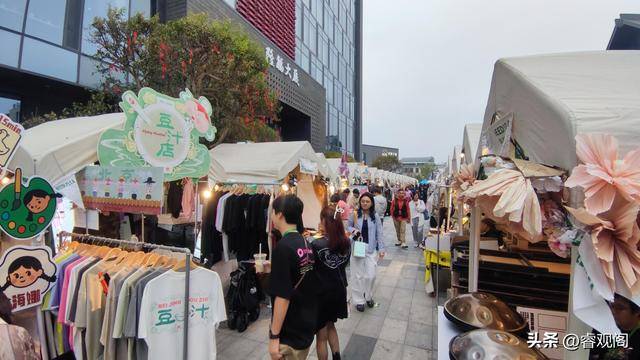
Group 1: Rural Economy Trends - The "rural economy" is emerging as a new consumption force driven by urban youth's desire for nature and freedom [1] - In the first three quarters of 2024, over 4.35 trillion yuan was spent on tourism, with rural tourism seeing significant growth, receiving nearly 800 million visitors in the first quarter alone [1] - The rise in rural tourism reflects a longing for rural experiences and provides new development ideas for rural areas [1] Group 2: Innovative Consumption Models - "Rice field coffee" has gained popularity in the Yangtze River Delta, with prices 30-40 yuan per cup, attracting urban consumers despite being more expensive than city chains [2][4] - The appeal of rice field coffee lies in its immersive consumption experience, merging urban coffee culture with rural landscapes [2] - This new model of rural economy is changing traditional perceptions of urban-rural relationships, moving beyond superficial interactions to deeper engagements [4] Group 3: Pet-Friendly Rural Spaces - The pet consumption market in China has surpassed 300 billion yuan in 2024, leading to the emergence of rural pet theme parks to address urban space constraints [6] - Rural pet parks utilize idle land to create "pet-friendly" environments, fulfilling urban pet owners' needs for open spaces [7] - The rise of pet parks is also driving upgrades in surrounding businesses, such as pet-friendly accommodations and local shops offering pet products [8] Group 4: Astronomy Education in Rural Areas - Rural areas are being rediscovered for their clear night skies, leading to the development of astronomy education programs that offer immersive experiences [9] - Successful models have been established in various regions, transforming geographical disadvantages into unique advantages for stargazing [9] - This trend reflects a shift in family education towards deeper, exploratory experiences rather than superficial entertainment [12] Group 5: Youth Retreats in Rural Areas - "Youth retirement homes" are emerging as a response to urban stress, offering a transitional space for young people seeking relief from city life [13] - These facilities provide not only accommodation but also activities like farming and yoga, redefining the concept of living [15] - The model opens new pathways for rural development by repurposing idle farmhouses into therapeutic spaces [15] Group 6: Rural Homestays - Rural homestays are evolving from mere lodging to experiential hubs that connect urban consumers with local resources [16] - Successful homestays leverage local architectural styles and cultural activities to create unique experiences, enhancing their economic value [18] - The economic essence of homestays lies in offering customized lifestyle solutions, driving local product sales and creating jobs [19] Group 7: Agricultural Adoption Programs - "Adoption agriculture" allows urban consumers to connect with nature by pre-paying for the right to harvest crops from designated plots [20] - This model promotes healthy eating and provides a hands-on experience of farming, benefiting both consumers and producers [22] - The approach shifts rural industries from merely selling products to offering services and experiences, fostering long-term interactions [23] Group 8: Creative Renovation of Idle Buildings - The transformation of idle rural buildings into creative spaces helps preserve cultural heritage while activating local economies [24] - Renovated spaces become cultural landmarks, attracting new creative professionals and fostering a vibrant community [26] - This process creates a sustainable economic ecosystem that balances cultural preservation with industrial revitalization [26] Group 9: Online and Offline Market Integration - Rural markets are evolving into integrated online and offline platforms, enhancing the shopping experience beyond simple transactions [27] - The integration allows for continuous operation and engagement, driving brand development and consumption upgrades [29] - This model transforms rural markets into vital engines for economic growth, expanding the potential for rural development [29] Conclusion - The emergence of new business models in rural areas signifies a redefined urban-rural relationship, where rural regions actively contribute value and engage with urban consumers [30] - As innovative models take root, rural areas are poised to become desirable living choices, fostering a symbiotic relationship with cities [30]

“公园市集”,你打卡了吗?
Ren Min Ri Bao Hai Wai Ban· 2025-10-21 01:55
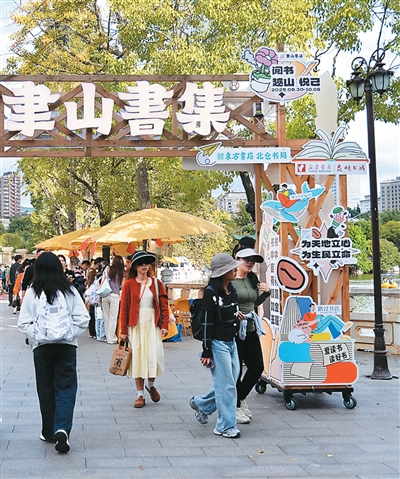
Core Insights - The "park market" model is gaining popularity, characterized by low barriers, strong experiences, and high integration, significantly enhancing consumer frequency and spending [2][3][4] Group 1: Consumer Engagement - Events like the Shanghai Zhongshan Park commodity exhibition and the Beijing Ditan Book Fair have seen impressive attendance and sales, with the latter attracting 550,000 readers and achieving over 90 million yuan in book sales [3][4] - The Chengdu People's Park received 8.5 million visitors last year, with 70% being tourists, indicating the park's dual appeal to locals and visitors [2] Group 2: Market Trends - The integration of diverse business formats in park markets is activating consumer potential, with cultural consumption and lifestyle purchases being key drivers [2][3] - The success of park markets is being replicated across various regions, with cities like Linyi and Hangzhou hosting numerous events that attract millions of participants [3][4] Group 3: Challenges and Opportunities - The park market faces challenges such as avoiding homogenization and managing high operational costs, which include venue fees and setup expenses [4][5] - Emphasizing local characteristics and balancing environmental sustainability with commercial interests are crucial for the long-term development of park markets [5]
“创意市集”打造城市消费新体验
Zhong Guo Xin Wen Wang· 2025-09-13 12:31
Core Insights - The emergence of themed markets, such as the potato-themed market in Tianjin, reflects a trend where everyday ingredients are transformed into unique products, attracting younger consumers seeking novelty [1][2] - Thematic markets are evolving from traditional trading spaces to social and experiential venues, emphasizing interaction and enjoyment over mere shopping [1][2] Group 1: Market Trends - Thematic markets are becoming an important part of urban consumption, providing platforms for new brands and small businesses to showcase their products [2] - Cities like Shanghai and Tianjin are offering policy support to enhance the development of these markets, aiming to create distinctive cultural symbols [2] Group 2: Consumer Behavior - Younger consumers are drawn to markets for their randomness, social atmosphere, and the opportunity for genuine interactions with vendors [1] - The shift in consumer focus from purchasing to seeking enjoyment and memorable experiences is reshaping the market landscape [1][2]
“市集经济”带火幸福林带
Sou Hu Cai Jing· 2025-06-25 13:33
Core Insights - The creative market in Xi'an is thriving, driven by the rise of the internet and social media, leading to diverse business models such as food, cultural products, retail, entertainment, and second-hand goods [3] - The Happiness Forest Belt has become a popular destination for residents and young people, especially during weekends and holidays, featuring carefully curated boutique markets and casual creative stalls [4] Group 1: Social Attributes and Community Engagement - The market at Happiness Forest Belt is not just about shopping; it emphasizes social interaction, allowing visitors to relax, meet like-minded individuals, and share experiences [6] - Activities like the "Collect Stamps to Win Prizes" initiative enhance the immersive experience, turning market visits into social events [6] Group 2: Consumer Engagement and New Lifestyle - The market serves as a platform for sellers, particularly young entrepreneurs, to earn income while attracting diverse consumer groups, creating a mutually beneficial relationship [8] - The flexible nature of market stalls keeps the experience fresh and exciting, appealing to the fashion-forward and trend-seeking youth [8] Group 3: Thematic Market Development - The "Lin Xia π Flea Market" has become a staple event, featuring around 200 stalls, showcasing its popularity and scale [10] - The introduction of themed markets, such as the "Light and Trade SPACE Forest Market," combines ecological themes with trendy products, drawing significant attention from young demographics [10] - The market has evolved to include various community functions, such as bartering and auctions, while promoting creative culture, art, and environmental awareness [10]

买买买!桐庐一季度社会消费品零售总额达37.44亿元!丨桐观经济
Sou Hu Cai Jing· 2025-06-06 07:17
Core Insights - The consumer market in Tonglu has shown signs of recovery in Q1, with a total retail sales of social consumer goods reaching 3.744 billion yuan, a year-on-year increase of 3.9% [1] - The implementation of 17 new policies, including a trade-in program, has significantly stimulated local consumption, leading to a 10.7% growth in retail sales for large enterprises [2] - The "Tonglu Flavor" brand has played a crucial role in driving the growth of the local dining economy, with a 3.8% increase in the restaurant sector, ranking fourth in the city [6] Policy Initiatives - The local government has introduced various initiatives to boost consumption, including the "Tong" shopping, dining, and entertainment series, which have collectively enhanced the consumption atmosphere [2] - The trade-in policy has led to a total of 19.8372 million yuan in trade-ins, driving an additional 132 million yuan in consumption [2] - The 3C digital product subsidy program has resulted in 2.42 million yuan in subsidies, generating over 20 million yuan in consumption [5] Dining Sector Performance - The dining sector in Tonglu has experienced a vibrant growth, with significant events like the Spring Festival contributing to high demand and sales [6][8] - The "Tonglu Flavor" brand has expanded its reach, with over 120 enterprises authorized to use the brand, covering various local specialties and cultural tourism [8] - Promotional activities during the Spring Festival, such as dining discounts and extended operating hours, have further stimulated consumer engagement [8] Market Trends - Creative markets and night markets have emerged as new consumption hotspots, attracting over 300,000 visitors and generating sales exceeding 3 million yuan in Q1 [11] - The integration of traditional markets with modern retail experiences has enhanced consumer engagement, with a 30% increase in foot traffic and nearly 50% growth in overall sales at key shopping centers compared to the previous year [12] - The overall positive trend in the consumer market reflects strong local economic vitality and the public's pursuit of a better quality of life [15]
年轻人突然爱上“赶集”,五一北京市集成群,赶个集得花上大几百 | 五一促消费观察
Hua Xia Shi Bao· 2025-05-06 14:54
Core Insights - The rise of various themed markets in Beijing, particularly the "Double Hands Work" market, reflects a growing trend among young consumers who are drawn to unique, artisanal products and experiences [3][11] - The "Double Hands Work" market features around 200 shops showcasing handmade goods from artisans across the country, indicating a shift towards supporting local craftsmanship [5][9] Group 1: Market Trends - The "Double Hands Work" market attracted significant foot traffic during the May Day holiday, with nearly 20 different themed markets held across Beijing, highlighting a burgeoning consumer interest in such events [3][11] - Young consumers are willing to pay higher prices for artisanal products, with items like ice cream priced around 30 yuan for two scoops and handmade clothing exceeding 1,000 yuan, suggesting a willingness to invest in quality and uniqueness [9][10] Group 2: Consumer Behavior - The market's appeal is enhanced by live performances, such as bands and stand-up comedy, which create an engaging atmosphere for visitors without additional costs [10] - Social media plays a crucial role in driving attendance, as consumers are influenced by online promotions and recommendations, indicating the importance of digital marketing for market success [10][11] Group 3: Market Environment - The "Double Hands Work" market is located in the artistic and industrial setting of Langyuan Station, which has been recognized as a new consumption brand incubation base in Beijing, further enhancing its appeal [4][5] - The transformation of traditional markets into trendy, curated experiences reflects a broader cultural shift, where younger generations seek vibrant, community-oriented spaces that offer more than just shopping [9][13]