成本壁垒

Search documents
两大芯片巨头退出GaN 背后是中国企业成本绞杀
Xin Lang Cai Jing· 2026-01-04 05:37
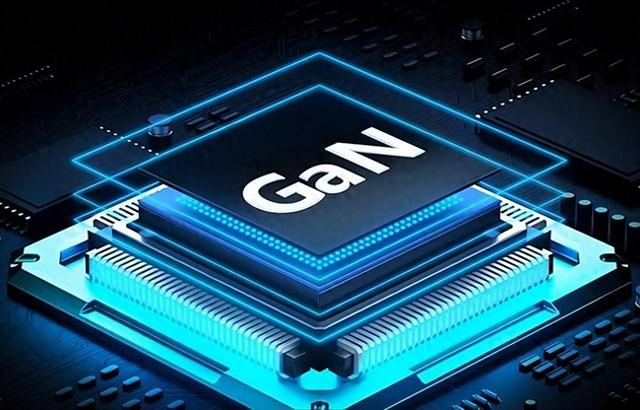
Group 1 - The core point of the article highlights the exit of major players like TSMC and NXP from the GaN chip market, indicating a significant profit collapse due to increased competition and lower technical barriers, which has turned the market into a battleground for Chinese manufacturers [1][3] - TSMC, once holding 40% of the global GaN market, and NXP, which invested heavily in GaN, have faced disappointing returns as the expected recovery in RF business did not materialize, leading to a strategic withdrawal from the GaN sector [3] - The competitive landscape has shifted from technological breakthroughs to cost control, with Chinese companies able to produce GaN chips at costs over 30% lower than TSMC, prompting the latter to exit the market to avoid losses [3][5] Group 2 - Chinese companies are not merely engaging in price wars but are demonstrating systemic manufacturing capabilities, achieving over 90% capacity utilization compared to around 70% for TSMC and NXP, which significantly lowers unit costs [5] - The success of Chinese firms in the GaN market mirrors previous instances in the LED chip and CMOS sensor markets, where they leveraged scale to drastically reduce prices and drive out established competitors [5] - The current dynamics in the GaN market serve as a precursor to the future of the mature chip market, where the transition from technology barriers to cost barriers is evident, with Chinese firms poised to dominate as they build cost advantages through large-scale production and efficient supply chains [7][9] Group 3 - The ongoing changes in the GaN market reflect a broader trend in the semiconductor industry, where the market share of Chinese companies is growing at a rate of 10% annually, suggesting a potential shift towards a "China-dominated" phase in the mature chip market [7][9] - As Chinese companies solidify their position in the mature chip market, established players relying on technological barriers may either need to pivot to advanced processes or exit the market altogether, reinforcing the notion that Chinese firms excel in cost competition [9]

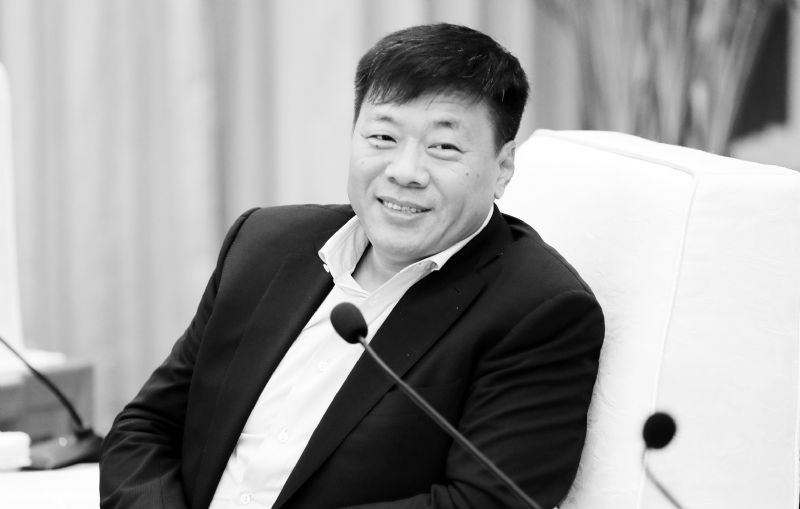
张波家族接力打造双实业获1809亿财富 魏桥系635亿资本腾挪巩固全球领先地位
Chang Jiang Shang Bao· 2025-11-09 23:27
Core Insights - The Zheng Shuliang family ranks among the top ten on the Forbes 2025 China mainland rich list with a wealth of 180.9 billion yuan, attributed to the textile and aluminum empire built over two generations by the Zhang family [2][3] - The family business, which started from a struggling oil and cotton processing factory, has evolved into a multinational giant with annual revenues exceeding 500 billion yuan, serving over 120 countries [2][3] - The late Zhang Shiping, the founder, successfully navigated through various industry cycles and established a world-class enterprise, while his son Zhang Bo has continued to expand and innovate the business [2][4] Company Development - Zhang Shiping transformed a failing oil and cotton factory into a profitable enterprise by diversifying its operations and creating a complete industrial chain from cotton processing to textile manufacturing [6][8] - The establishment of Weiqiao Aluminum in 2001 marked a significant expansion into the aluminum industry, leveraging self-generated electricity to gain a competitive edge [7][8] - Under Zhang Bo's leadership, the company has pursued aggressive capital operations, including a 635 billion yuan resource integration plan to strengthen its global aluminum industry position [3][19] Strategic Innovations - Zhang Bo has embraced new growth opportunities by investing in the electric vehicle and photovoltaic sectors, recognizing the rising demand for aluminum in these industries [15][16] - The company has become a unique player in the automotive industry, extending its supply chain from aluminum production to vehicle assembly [18][19] - The strategic decision to privatize Weiqiao Textile and consolidate assets into A-share markets reflects a shift towards optimizing resource allocation and enhancing market competitiveness [19][20] Performance Metrics - Weiqiao Group achieved a revenue of 558.5 billion yuan in 2024, marking a 7.4% year-on-year increase, with net profits soaring by 112% to 32.3 billion yuan, indicating robust growth and market leadership [20][21] - The company has maintained its position on the Fortune Global 500 list, ranking 166th in 2025, an improvement of nine places from the previous year [20][21] Legacy and Future Outlook - The Zhang family’s success is attributed to a combination of practical business strategies, a focus on core industries, and a commitment to long-term growth without diversifying into unrelated sectors [21][28] - The company’s ability to adapt to market changes and regulatory challenges, particularly in the high-energy-consuming aluminum and textile sectors, will be crucial for its continued success [24][25] - The future of the Weiqiao Group remains promising as it aims to reach a trillion yuan scale in revenue, reflecting the potential for further growth and innovation [28][29]