戒酒潮

Search documents
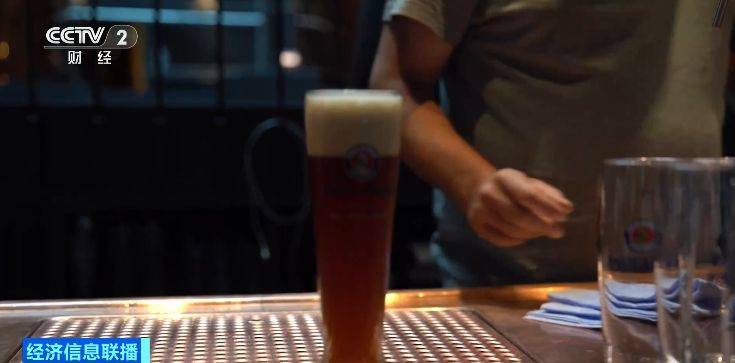
德国啤酒销量创30多年新低
Yang Shi Xin Wen· 2025-09-04 15:23
Core Insights - Beer sales in Germany have declined by 6.3% year-on-year in the first half of this year, totaling 3.9 billion liters, marking the first time since 1993 that semi-annual beer sales have fallen below 4 billion liters [1] - The younger generation in Germany no longer views beer as a daily necessity but rather as a cultural symbol, leading to a shift in drinking habits towards non-alcoholic or alternative beverages [1] - The decline in drinking frequency among young people has directly impacted the beer market, resulting in the closure of 52 breweries out of 1,500 nationwide over the past two years, representing the largest wave of closures in 30 years [1]
年轻人不爱喝啤酒了?德国上半年啤酒销量创32年来新低
Sou Hu Cai Jing· 2025-09-04 15:15
Group 1 - The core point of the article highlights a significant decline in beer sales in Germany, with a 6.3% year-on-year drop in the first half of the year, reaching a 32-year low of 3.9 billion liters [1] - The younger generation in Germany is moving away from beer as a daily necessity, influenced by a trend of reduced alcohol consumption and a preference for non-alcoholic or alternative beverages [3] - The decline in drinking among young people has led to a direct impact on the beer market, with 52 out of 1,500 breweries closing in the past two years, marking the largest wave of closures in 30 years [5] Group 2 - The German Brewers Association has warned that 2025 will be an extremely challenging year, citing changes in drinking behavior, reduced consumer willingness, and rising costs of raw materials and energy [5] - The production costs for beer in Germany are estimated to be increasing by 6% annually, exacerbating the industry's difficulties [5] - In response to these challenges, some traditional breweries are accelerating their transformation by actively exploring the non-alcoholic beverage and mixed soda markets [7] Group 3 - The CEO of Paulaner Group, Jörg Bibernik, noted that their substantial carbonated soft drink segment and the successful growth of non-alcoholic beer, which now accounts for over 10% of the market share in Germany, are crucial for their strategy [9]