
战争冲突

Search documents
伊朗、美国、以色列通报最新战果
财联社· 2026-03-14 23:38
Group 1 - The U.S. military successfully targeted over 90 military sites on Iran's Khark Island, which is crucial for Iran's oil exports, while sparing oil infrastructure [1] - Iran's Islamic Revolutionary Guard Corps reported that recent U.S. and Israeli attacks on civilian industrial facilities resulted in multiple worker fatalities [2] - Israel's airstrike in Tehran killed two senior Iranian intelligence officials, targeting a facility of the Central Command Intelligence Bureau [3] Group 2 - Iran arrested 33 individuals linked to anti-government armed groups, indicating ongoing internal security operations [4] - U.S. banks in Dubai and Bahrain were attacked by drones, with Iran warning that all U.S. bank branches in the region could become legitimate targets if attacks continue [5] - The Trump administration has rejected proposals for ceasefire negotiations with Iran, despite attempts from Middle Eastern countries to mediate [6] Group 3 - Iran's Foreign Minister stated that attacks using the HIMARS rocket system originated from UAE territory, labeling such actions as unacceptable [7] - Iran warned that any attack on its energy facilities would lead to retaliation against U.S. corporate interests in the region [8] - The ongoing conflict has entered its 15th day, with the scale and consequences exceeding U.S. expectations [12] Group 4 - U.S. officials reported that Israel's stock of ballistic missile interceptors is critically low, putting pressure on its defense systems amid the ongoing conflict [13] - The U.S. Secretary of Defense avoided questions regarding U.S. military casualties, suggesting that the actual numbers may be higher than reported [14] Group 5 - President Trump announced plans to collaborate with multiple nations to ensure the safety of the Strait of Hormuz, emphasizing military action against Iranian vessels [15] - Iran's Revolutionary Guard stated that the Strait of Hormuz is under their control, prohibiting U.S. and allied vessels from passage [16] - Iran's Foreign Minister claimed that the Strait is open to all except for enemies [17] Group 6 - Direct talks between Israel and Lebanon are anticipated, with both sides preparing for potential negotiations [18] - French President Macron expressed willingness to facilitate dialogue between Israel and Lebanon to prevent further chaos [19] - Clashes between Hezbollah and Israeli forces have been reported near the Lebanon-Israel border, indicating escalating tensions [20]

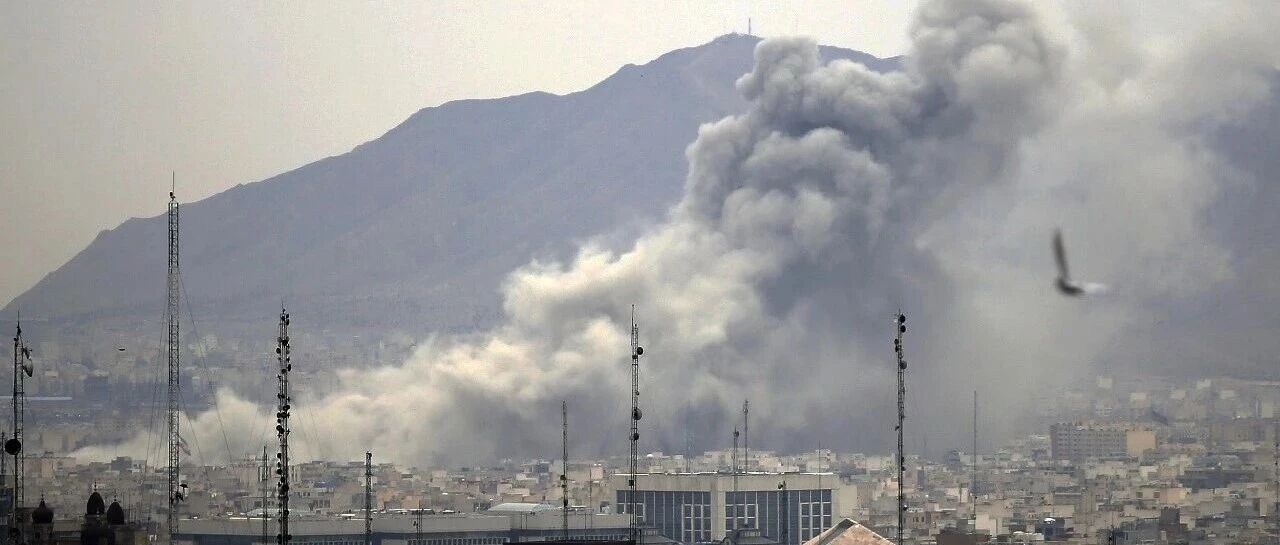
乌克兰总司令这一跪,背后是千里之外的能源命脉突袭战
Sou Hu Cai Jing· 2025-10-07 17:12
Core Insights - The article highlights the intensifying conflict between Ukraine and Russia, marking a significant shift in the war dynamics as both sides escalate their military strategies and capabilities [1][3][7]. Group 1: Military Developments - Ukrainian forces have demonstrated an unexpected upgrade in their long-range strike capabilities, successfully targeting key Russian infrastructure, including oil refineries and ammunition factories [5][7]. - Russia has launched a massive retaliatory strike against Ukraine, deploying over 50 missiles and approximately 500 drones, aiming to cripple Ukraine's energy and civilian infrastructure before winter [3][8]. - The Ukrainian military has systematically targeted 16 oil refineries within Russia, reducing total production capacity by 14.68 million tons, leading to severe gasoline shortages and skyrocketing prices [3][5]. Group 2: Human Cost of the Conflict - The human toll of the conflict is staggering, with Ukrainian forces suffering approximately 15,000 casualties in a single month, while Russian casualties are estimated to be nearing 300,000 in 2025 [10]. - The emotional weight of the war is underscored by the actions of Ukrainian military leaders, who publicly acknowledge the losses and sacrifices made by their troops [1][10]. Group 3: International Involvement - Western intelligence support has been crucial in enhancing Ukraine's long-range strike capabilities, providing detailed coordinates and weak points of Russian targets [7]. - Military aid from international allies continues to flow into Ukraine, with Greece planning to supply artillery and NATO members pressuring for the transfer of fighter jets [7]. Group 4: Strategic Objectives - Russia's focus on attacking Ukraine's energy infrastructure is a strategic move to undermine the morale of the Ukrainian populace as winter approaches [8]. - Ukraine has secretly deployed American-made energy storage systems with a total capacity of 200 megawatts, capable of providing emergency power to 600,000 households for up to two hours [8].
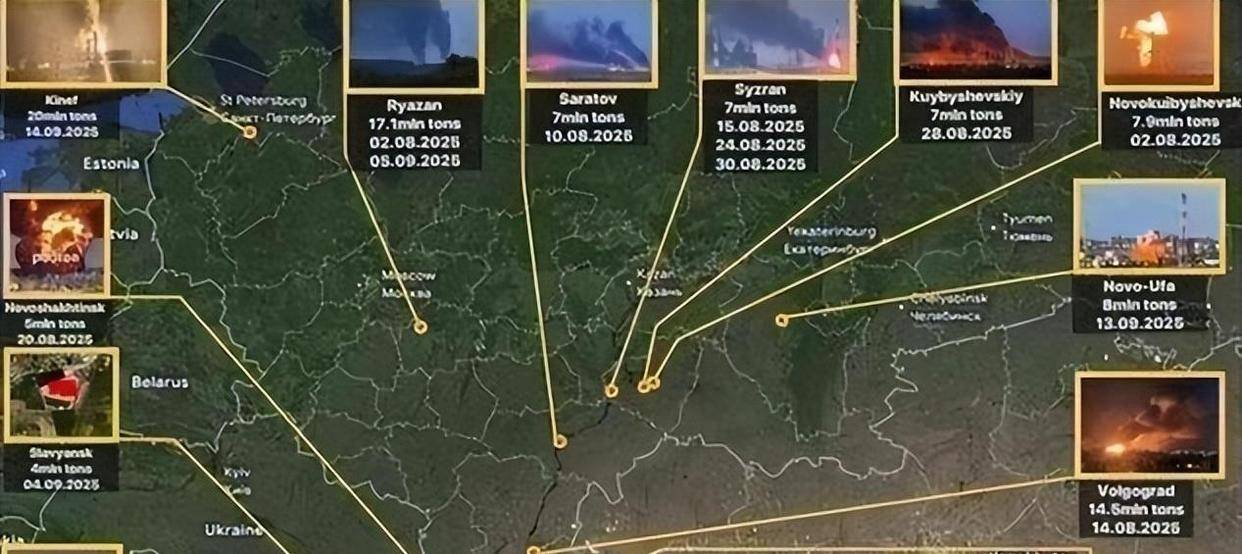
伊朗最高领袖哈梅内伊顾问警告:当前仍处于战争状态,与美以或再陷战火!与美国或以色列之间不存在任何停战协议、规则或书面约定
Ge Long Hui· 2025-08-18 06:10
Core Viewpoint - A senior official from Iran's Islamic Revolutionary Guard Corps indicates that a new round of conflict with Israel or the United States could erupt at any time, emphasizing that Iran is in a state of war rather than ceasefire [1] Group 1 - Iran's Supreme Leader's military advisor, Yahya Rahim Safavi, states there are no ceasefire agreements or rules with the U.S. or Israel, suggesting a potential for further conflict [1] - Safavi believes that another war may occur, and it could be the last, highlighting the need for Iran to strengthen its military capabilities [1] - He stresses the importance of enhancing Iran's diplomatic, media, missile, drone, and cyber-attack strategies, indicating that military simulations will be conducted to prepare for worst-case scenarios [1]

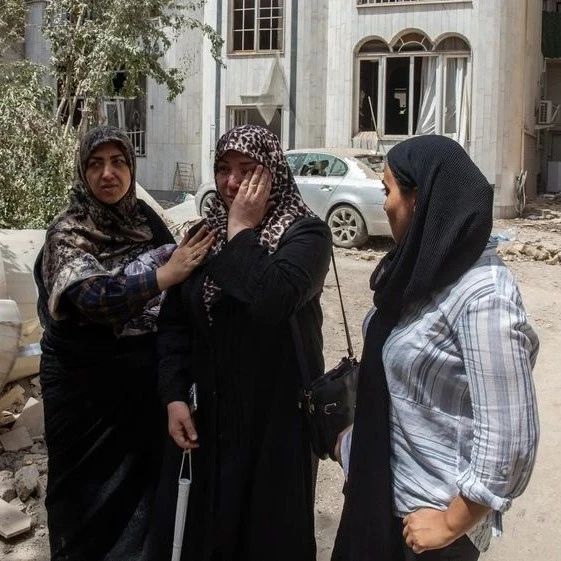
从伊朗逃离的8天7夜:听到雷鸣都像导弹轰炸
虎嗅APP· 2025-06-29 13:21
Core Viewpoint - The article discusses the experiences of a Chinese individual, Olivia, during the recent conflict in Iran, highlighting the chaos, fear, and challenges faced by expatriates amidst the war, as well as the eventual resolution and return to safety [3]. Group 1: War Experience - Olivia experienced a sudden bombing in Tehran on June 13, which resulted in significant casualties, including 78 deaths and over 320 injuries, primarily among civilians [9]. - The initial reaction of the Iranian populace was one of calmness, as many had previously experienced similar conflicts [12]. - Olivia noted the unusual quietness in the city, with a lack of traffic and people, as many were preoccupied with fueling their vehicles due to government-imposed fuel restrictions [13][20]. Group 2: Evacuation Efforts - Following the bombing, Olivia and other expatriates began to evacuate, with some receiving government alerts to seek shelter in subway stations [19]. - Many Chinese nationals opted to leave Iran through neighboring countries like Armenia and Azerbaijan, with some facing difficulties during their escape [19][20]. - Olivia's attempts to join evacuation efforts were complicated by her expired passport, which delayed her departure [20]. Group 3: Communication and Information - The internet was disrupted during the conflict, making it difficult for Olivia to communicate and receive updates about the situation [22]. - Olivia relied on phone calls to stay in touch with clients and friends, as text messaging became limited due to network issues [22][23]. - The lack of reliable information led to confusion and panic among expatriates, as they were unaware of the bombing locations [23]. Group 4: Final Escape - Olivia eventually secured a spot on a bus organized by the Chinese community to leave for Armenia, but faced challenges in locating the departure point due to lack of internet access [28][30]. - The journey to the border was fraught with tension, as the group encountered multiple checkpoints and scrutiny from border guards [42]. - After a long and arduous journey, Olivia successfully crossed into Armenia, where she observed many Iranians returning home despite the ongoing conflict [38][39]. Group 5: Return to Safety - Upon returning to China, Olivia felt a profound sense of relief and comfort, especially when reunited with her family [56]. - The article concludes with Olivia reflecting on the stark contrast between her experiences in Iran and the safety of her home, emphasizing the emotional toll of the conflict [57].
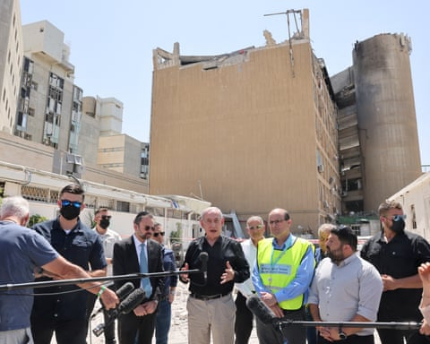
以总理称儿子婚礼因伊以冲突被推迟,抱怨遭“个人损失”,网友抨击
Huan Qiu Wang· 2025-06-20 01:20
Core Points - Israeli Prime Minister Netanyahu expressed frustration over the postponement of his son's wedding due to ongoing conflicts, which have resulted in numerous Israeli casualties [1][3] - Netanyahu described the situation as a "lightning war," emphasizing the personal losses experienced by families, including his own [1] - The postponement of the wedding, originally scheduled for the 16th, has sparked controversy and criticism regarding the perceived insensitivity of his comments amidst the broader tragedy [1][3] Summary by Sections - **Netanyahu's Statements**: Netanyahu highlighted the personal impact of the conflict on his family, noting that this was the second time his son's wedding had to be canceled due to rocket attacks and missile threats [1] - **Public Reaction**: The comments have drawn backlash on social media, with critics questioning the significance of his family's loss compared to the broader human toll of the conflict, including the deaths and injuries of civilians [3] - **Casualties Report**: Since the onset of the conflict on the 13th, Israeli military reports indicate that 24 Israelis have died and over 500 have been injured due to Iranian missile and drone attacks, while Iranian sources claim that Israeli airstrikes have resulted in 585 deaths and 1,326 injuries in Iran [3]
伊朗副外长:我们从不欢迎任何战争,也从未寻求扩大任何冲突。我们的军事决策者“已将所有必要的选项摆上桌”。
news flash· 2025-06-19 06:32
Core Viewpoint - Iran's Deputy Foreign Minister stated that the country does not welcome any war and has never sought to escalate any conflict, indicating a stance of restraint in military decisions [1] Group 1 - Iran's military decision-makers have presented all necessary options on the table, suggesting a readiness to respond to various scenarios while maintaining a position against conflict escalation [1]
以色列国家安全部部长:对哈马斯的战争绝不能停止。
news flash· 2025-05-12 12:01
Core Viewpoint - The Israeli Minister of National Security emphasizes that the war against Hamas must not cease [1] Group 1 - The Israeli government is committed to continuing military operations against Hamas [1] - The statement reflects a strong stance on national security and the ongoing conflict [1] - The minister's comments indicate a potential for prolonged military engagement in the region [1]