战略信誉

Search documents
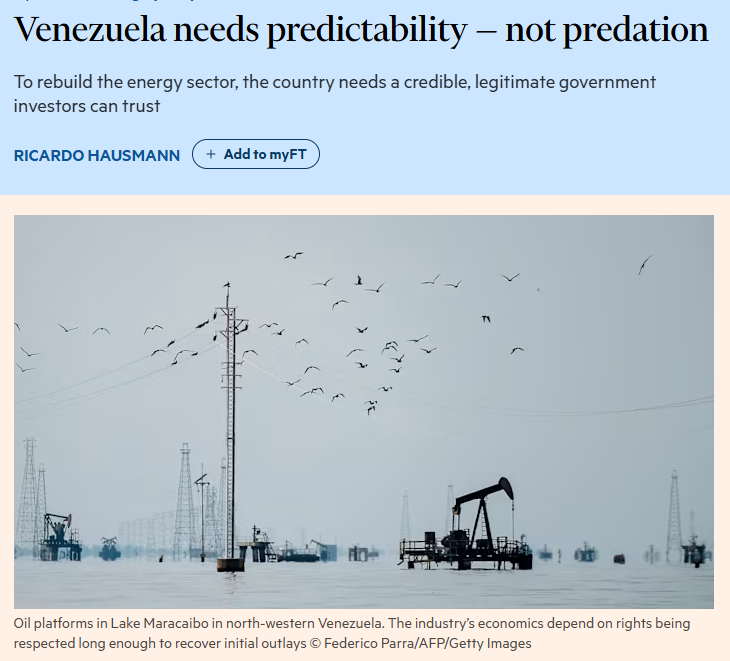
英媒刊文:美国正摧毁委内瑞拉经济复苏的基础
Xin Lang Cai Jing· 2026-01-18 08:10
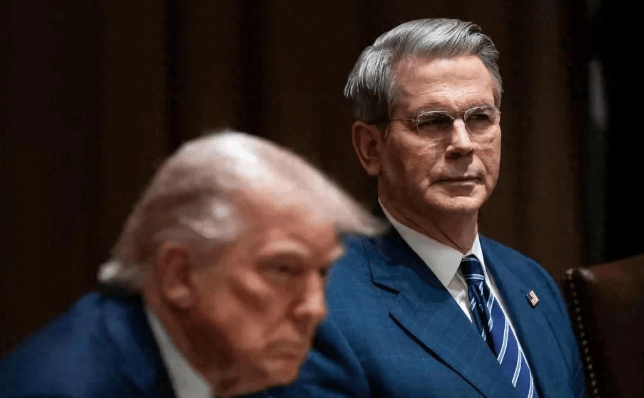
Core Viewpoint - The article emphasizes that U.S. actions in Venezuela, including military intervention and attempts to control the government, undermine the rule of law and political trust necessary for attracting investment, ultimately harming both Venezuela's recovery and U.S. strategic credibility [1][4]. Group 1 - The U.S. has taken military actions against Venezuela and attempted to control President Maduro, asserting that it will "govern" Venezuela and demanding full access for U.S. capital to the oil infrastructure [4]. - This approach reflects a belief in U.S. dominance in the region, equating geographical proximity with privilege, which threatens the foundational elements needed for Venezuela's economic recovery, particularly reliable legal protections [4]. - Revitalizing Venezuela's energy sector requires significant investment for infrastructure repair and expansion, which necessitates a long-term and stable political environment to ensure cost recovery [4]. Group 2 - Rebuilding Venezuela's market economy demands more than coerced oil agreements; it requires trust from both the Venezuelan populace and international investors [4]. - While military coercion may yield short-term compliance, it increases wariness among partners towards the U.S., leading to costly lessons for the U.S. itself [4].

沉默3天,美方发出威胁:如果中国出尔反尔,将对华启动最大杀招
Sou Hu Cai Jing· 2025-11-06 07:33
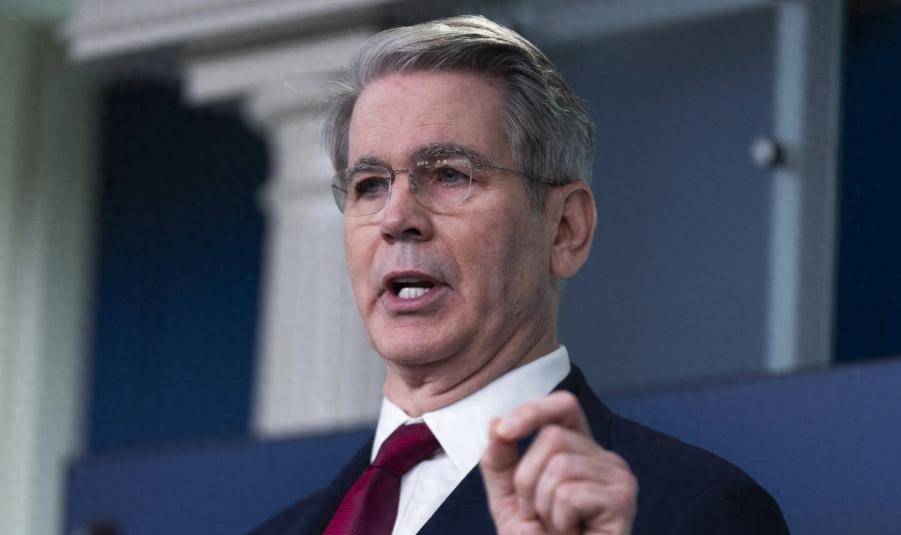
Core Viewpoint - The article discusses the recent tensions between the U.S. and China following a meeting in South Korea, highlighting China's willingness to make concessions while the U.S. responds with threats, indicating a lack of understanding and respect for diplomatic relations [1][3][4]. Group 1: U.S.-China Relations - The U.S. Treasury Secretary's threats against China after receiving concessions reflect a short-sighted tactical approach, undermining the potential for cooperation [3][4]. - The U.S. has labeled China as an "unreliable partner," revealing its own insecurities and lack of confidence in the negotiation process [3][6]. - The U.S. approach of issuing threats while receiving concessions creates discomfort and raises questions about China's commitment to fulfilling agreements [4][6]. Group 2: Economic Leverage - Traditional economic leverage, such as tariffs, is losing effectiveness as China's export markets diversify and U.S. industries become increasingly reliant on Chinese materials [6][9]. - The lack of a clear framework for what constitutes "fulfilling commitments" complicates trust-building and adds uncertainty to the execution of agreements [7][12]. - The U.S. dollar's dominance is facing challenges due to domestic economic pressures and a global trend towards "de-dollarization," with increasing use of the Chinese yuan [9][10]. Group 3: Technological and Financial Tools - U.S. attempts to block Chinese access to advanced technologies have inadvertently strengthened China's domestic industries, showcasing resilience and self-sufficiency [10][11]. - The U.S. has employed all available leverage tools against China's rare earth policies, indicating a shift in the balance of power in the ongoing competition [11][12]. Group 4: Historical Context and Future Outlook - China's consistent record of fulfilling commitments since joining the WTO contrasts with the U.S.'s recent history of withdrawing from agreements, highlighting a credibility gap [12][13]. - The article suggests that future negotiations will depend more on stability and trust rather than coercive tactics, emphasizing the need for a balanced approach to achieve mutual understanding [13].
中国行,我也行!印度对美国展示强硬,不到2天,直接被加税500%
Sou Hu Cai Jing· 2025-05-17 01:22
Core Viewpoint - India attempted to adopt a hardline approach similar to China's in trade negotiations with the U.S., but faced a swift and humiliating reversal, highlighting the strategic miscalculations and vulnerabilities of developing countries in confronting Western hegemony [3][9]. Group 1: Trade Relations and Strategic Miscalculations - India filed a complaint against U.S. steel and aluminum tariffs at the WTO, but just two days later, the U.S. announced a zero-tariff agreement proposed by India, indicating a rapid shift in negotiations [3][4]. - The Indian government misjudged the situation, believing it could replicate China's success in trade negotiations through a hardline stance, as expressed by political elites [3][5]. - The U.S. retaliated with significant pressure tactics, including a potential increase in motorcycle tariffs from 50% to 500% and a national security review of India's IT outsourcing industry, threatening $190 billion in service trade exports [4][9]. Group 2: Economic Vulnerabilities - India's export dependency on the U.S. is notably high at 32%, compared to China's 18%, with 76% of India's steel and aluminum exports reliant on the U.S. market [7][11]. - The economic data reveals India's limited maneuverability in trade negotiations, as its foreign exchange reserves are only $480 billion, significantly less than China's $3.2 trillion [7][11]. - The U.S. holds substantial leverage over India, with over 60% of India's IT industry revenue dependent on the U.S. market and a military trade volume of $18 billion, contrasting with India's limited retaliatory options [9][13]. Group 3: Structural and Strategic Disparities - India's manufacturing strategy is hampered by a high reliance on imported components, with 80% of mobile phone parts still imported, and a defense equipment localization rate below 50% [11][13]. - The economic structure of India, with 63% of its exports to the U.S. being primary processed goods, makes it vulnerable to competition from countries like Vietnam and Bangladesh [11][13]. - The lack of a comprehensive industrial system and technological autonomy in India was starkly highlighted during the trade negotiations, emphasizing the need for a balanced power dynamic in international trade [13].