房产断供

Search documents
今明两年,如果房价继续下跌,有41%的家庭,或将面临4大困境
Sou Hu Cai Jing· 2026-02-20 17:49
Group 1 - The core viewpoint of the article highlights the severe downturn in China's real estate market, with both sales area and total sales declining significantly since the beginning of 2023, and the average price of second-hand residential properties dropping to 15,230 yuan per square meter in January 2024, marking a continuous decline for 21 months [1] - In January 2024, the number of cities experiencing a month-on-month decline in second-hand housing prices reached 99, maintaining a trend of over 90 cities for eight consecutive months [1] - The "volume and price decline" phenomenon primarily affects families with multiple properties, as those with only one home are less impacted due to their primary intent being residence rather than investment [1] Group 2 - According to authoritative data from the People's Bank of China, the home ownership rate among urban residents is as high as 96.0%, with 58.4% of families owning one home, 31.0% owning two, and 10.5% owning three or more [3] - It is estimated that families owning two or more properties constitute approximately 41.5% of the total, facing significant challenges in the current market environment [3] Group 3 - The first major challenge for families with multiple properties is the potential continuous depreciation of property values, with significant declines observed even in first-tier cities like Beijing, Shanghai, and Shenzhen [5] - The perception that property prices in core areas of first-tier cities would only rise has been proven incorrect, as prices have dropped significantly, exemplified by a decline from 100,000 yuan to 60,000 yuan per square meter in a specific Shanghai neighborhood [5] Group 4 - The ability to liquidate properties is diminishing, as the once reliable demand for older properties in first-tier cities is waning due to rising listings and a shift in buyer preferences towards new constructions [6] - The current market conditions have led to a decrease in the "guaranteed profit" effect previously associated with real estate investments, making investors hesitant to enter the market [6] Group 5 - The number of families unable to repay their mortgages is increasing rapidly, primarily due to purchasing properties at peak prices, resulting in significant losses as property values have dropped by over 30% [8] - Families with multiple properties face higher monthly payments and maintenance costs, which have become unsustainable for many, leading to an increase in mortgage defaults [8]

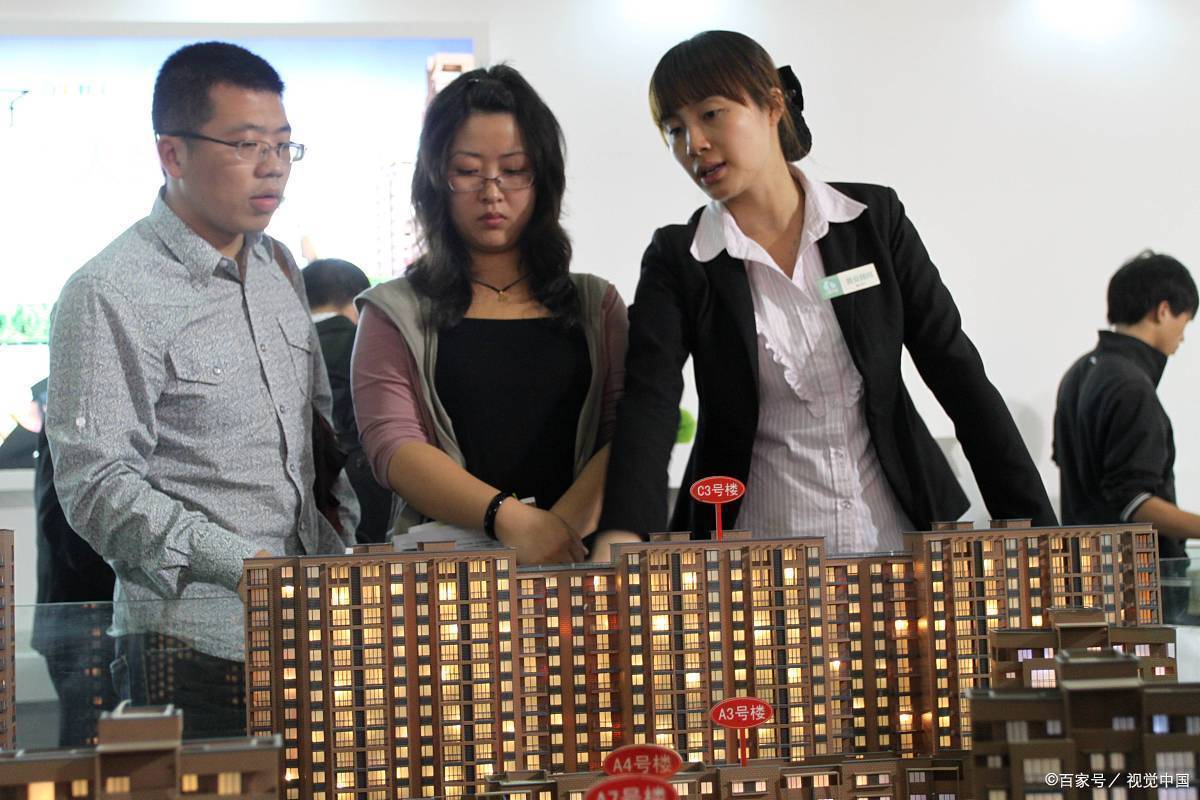
房子断供的有多少?
集思录· 2025-05-13 14:14
Group 1 - The core viewpoint of the article highlights the significant decline in property prices in Guangzhou, with some neighborhoods experiencing a drop of 40% from 2022 to 2023, leading to many homeowners being underwater on their mortgages [1] - The article discusses the changing demographics of who picks up children from school, indicating a rise in middle-aged parents and a decline in grandparents, which may reflect the employment status of middle-aged individuals [2] - It contrasts the impact of stock market fluctuations versus real estate price drops, noting that a 30% drop in housing prices is more painful for individuals due to the leverage involved and the illiquidity of real estate compared to stocks [3][4] Group 2 - The article points out that real estate cycles are longer than stock market cycles, with real estate bull markets lasting up to 20 years, while bear markets can have devastating effects on individuals, particularly younger generations who entered the market at peak prices [4] - It mentions that banks are adapting to the rising number of mortgage defaults by allowing borrowers to pay only interest for a period, indicating a shift in how banks manage risk and maintain profitability [4] - The article notes that despite the significant drop in property values, many individuals may still not default on their mortgages due to the long-term financial implications of doing so, emphasizing the complexity of the housing market and mortgage obligations [11]