房地产低迷

Search documents
房地产低迷持续!2026年最先扛不住的不是房企,是普通家庭
Sou Hu Cai Jing· 2026-02-02 00:48
Core Insights - The real estate market is not just a business for developers but is deeply intertwined with the lives of millions, affecting employment, consumption, and social stability [1][12] - A prolonged downturn in the housing market could lead to significant social issues, impacting employment, pensions, and consumer confidence [1][12] Employment Impact - The construction industry has seen a decline in employment, with numbers dropping from 65 million at peak to 59 million in 2025, leading to reduced income for workers [3] - The renovation sector is also struggling, with a reported 60% decrease in orders for renovation workers, causing financial strain on families [3] - The downturn is affecting related industries, including finance and logistics, with over 20,000 real estate agencies closing in 2025 [3] Pension and Social Services - Land sales revenue, crucial for funding social security and pension systems, has decreased by over 20% in 2025, putting pressure on pension funds [5] - Some regions are experiencing a tightening of funds for elderly care services, leading to cuts in community programs and support [5] - The decline in land revenue may also affect the quality and availability of public services, including education and healthcare [9][10] Consumer Confidence and Spending - With 77% of household wealth tied to real estate, falling property values are leading to a decrease in consumer confidence, reflected in a -37.6% housing confidence index [8] - Retail sales growth has slowed by 2.3 percentage points, particularly in major consumer categories like home appliances and automobiles [8] - Families are cutting back on both large and everyday expenses, leading to a cycle of reduced spending and economic stagnation [8] Public Services and Infrastructure - The decline in land revenue is causing a slowdown in infrastructure projects, with many planned developments being postponed or canceled [9] - Public services, including education and healthcare, are facing budget cuts, resulting in a decline in service quality and availability [9][10] Long-term Economic Outlook - The ongoing real estate downturn is eroding public confidence and could stifle economic growth, affecting investment and entrepreneurship [12] - A shift away from reliance on land finance is necessary, with a focus on developing rental markets and new economic growth sectors [13] - The stability of the housing market is crucial for the overall well-being of ordinary citizens, emphasizing the need for timely policy interventions [13]

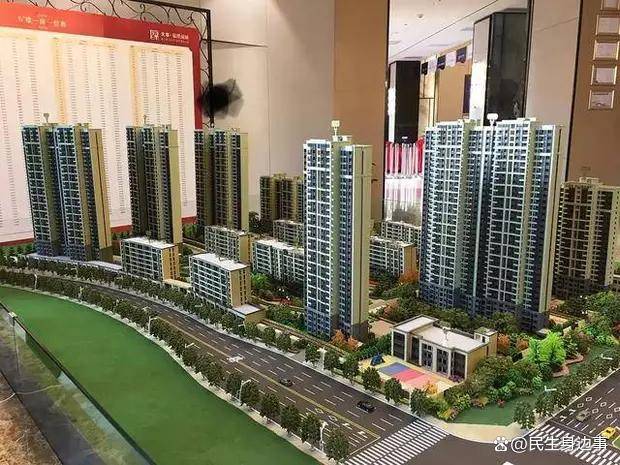
房地产若持续低迷,明年或将迎来四大棘手难题,请提前预警
Sou Hu Cai Jing· 2025-09-25 13:06
Core Viewpoint - The real estate sector is facing a prolonged downturn, leading to four significant challenges that could impact both the industry and ordinary citizens in the coming year [1] Group 1: Corporate Debt Challenges - In 2025, real estate companies will face a debt maturity peak with a total of 532.7 billion yuan due, an increase of nearly 50 billion yuan from 2024, with 160 billion yuan due in the third quarter alone, marking a recent high [2] - State-owned and leading real estate firms can secure financing at a low cost of 2.71%, while private firms face exorbitant rates, with New City Development's overseas debt reaching 11.88% [2] - By the second quarter of 2025, 15,191 real estate companies had tax debts totaling over 319.3 billion yuan, with 3,707 companies becoming untrustworthy debtors, indicating a potential for more firms to enter a vicious cycle of project sales and price reductions if sales do not improve [2] Group 2: Local Government Financial Strain - The downturn in real estate has severely impacted local government finances, with land transfer revenue dropping by 25.4% in the first eight months of 2024, equating to a loss of 202.18 billion yuan [4] - The financial strain is exacerbated in third- and fourth-tier cities, which hold over 70% of the 680 million square meters of unsold housing inventory, with a depletion cycle exceeding 47.6 months, far above the reasonable 12-month threshold [4] - The inability to sell land leads to insufficient fiscal revenue, hindering urban renewal and support for real estate companies, potentially creating a negative cycle of market downturn, fiscal pressure, and ineffective regulation [4] Group 3: Impact on Household Wealth and Consumption - The real estate slump has directly reduced household asset values, with real estate accounting for over 70% of urban residents' assets, leading to a 7.23% year-on-year drop in average second-hand housing prices across 100 cities by April 2025 [5] - Major cities like Beijing and Shanghai have seen significant price reductions, with some areas in Guangzhou experiencing declines of up to 12.6% [5] - This "asset shrinkage" is altering consumer behavior, with a noticeable decline in sales for related industries such as traditional appliances and liquor, with some regional liquor companies reporting revenue drops exceeding 45% [5] - Increased savings rates indicate a shift towards financial conservatism, as consumers are hesitant to spend on larger purchases, which could further hinder domestic demand recovery [5] Group 4: Overall Industry Outlook - The ongoing downturn in the real estate sector is creating a chain reaction affecting corporate debt, local finances, household wealth, and consumer behavior, all of which are interconnected with public welfare and the economy [6] - The Ministry of Housing and Urban-Rural Development has indicated a shift from expansion to quality improvement in the real estate sector, suggesting potential future opportunities, but the transition must be managed carefully to avoid exacerbating the four identified challenges [6]