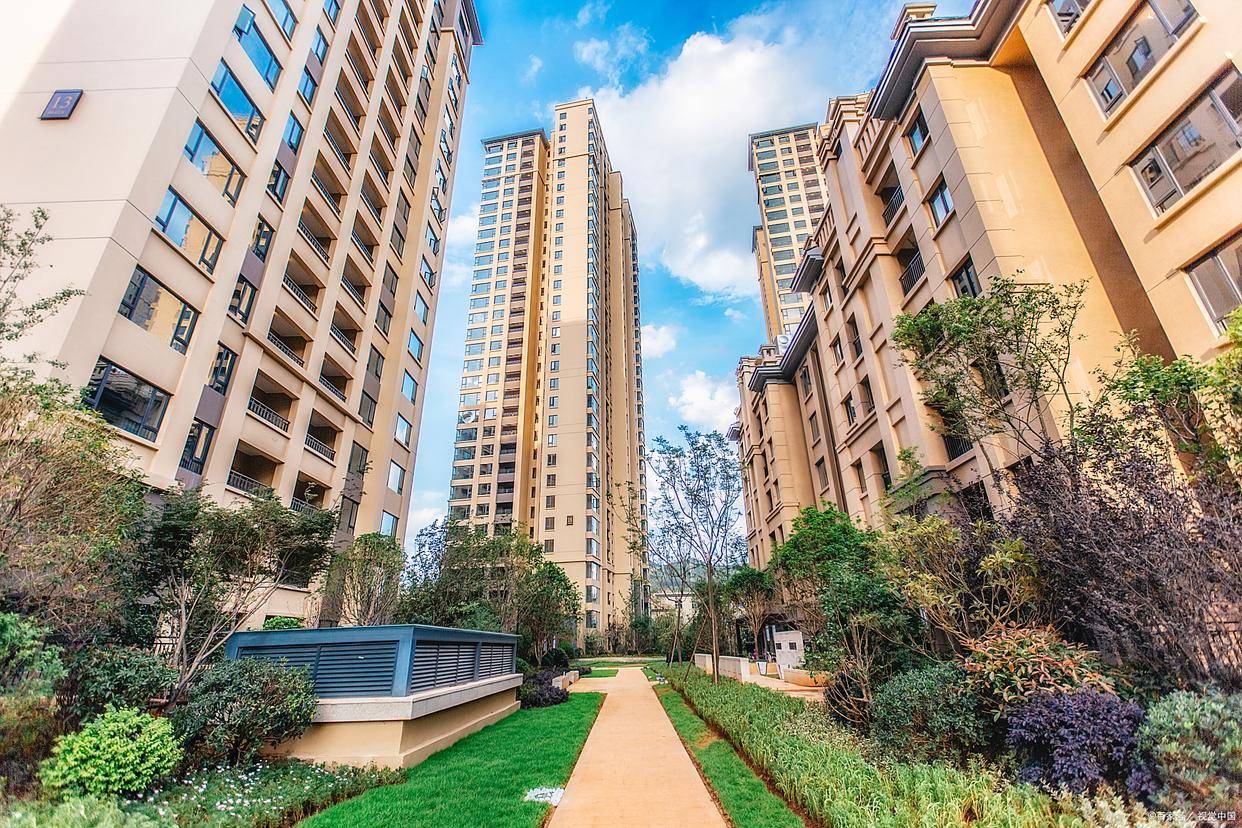
房产持有成本上升

Search documents
曹德旺预言要成真?若不出意外,2026年房地产或将面临3大转折
Xin Lang Cai Jing· 2026-01-25 03:47
Core Viewpoint - The real estate market is transitioning from a period of widespread price increases to a rational adjustment phase, as highlighted by Fuyao Glass founder Cao Dewang's earlier warnings about the risks of real estate investment [1] Group 1: Market Transition - The era of universal price increases in the real estate market has ended, leading to a stable regional differentiation where core cities remain resilient while lower-tier cities face pressure [3][4] - In 2025, new home prices in core areas like Beijing's Haidian and Shanghai's Lujiazui saw a slight increase of 2%-3%, while lower-tier cities experienced a net outflow of 3.12 million people, with inventory turnover periods exceeding 30 months [4] - The demand structure has fundamentally changed, with the demand for quality housing (90-144 square meters) rising to 45%, while lower-tier cities struggle with unsold properties that may require price cuts of 40% to sell [4] Group 2: Rising Holding Costs - Holding costs for real estate are increasing, turning vacant properties into financial burdens for many homeowners, as mortgage rates and maintenance costs rise [5] - Despite a decrease in commercial loan rates, homeowners who purchased at higher rates still face significant interest burdens, with some families spending over 50% of their income on mortgage payments [5] - The introduction of new regulations and taxes, along with a weak rental market, has made it difficult for homeowners to offset costs through rental income, leading to a situation where properties are becoming liabilities rather than assets [5] Group 3: Policy Changes - Real estate policies are shifting from broad stimulation to targeted support, favoring first-time buyers and quality housing, while opportunities for selling non-quality properties are diminishing [6] - New policies include tax rebates for home purchases and incentives for upgrading to better properties, which do not support the non-quality housing market [6] - The number of second-hand homes listed has surpassed 8.5 million, with properties in lower-tier cities taking over 180 days to sell, necessitating price reductions of 10%-20% to attract buyers [6] Group 4: Market Realities - The real estate market is returning to its fundamental purpose of providing housing, as evidenced by a 6.8% decline in national housing sales area and a 9.6% drop in residential sales revenue in 2025 [8] - Homeowners are advised to adopt a strategy of retaining quality properties in core areas while divesting from lower-tier city assets, which are likely to depreciate further [9] - The era of speculative real estate investment is over, and a focus on high-quality living spaces is now essential for maintaining wealth [9]


李嘉诚预言又说中了!我国手握2套房2的家庭,或将注定3个结果
Sou Hu Cai Jing· 2025-08-26 23:29
Core Insights - The real estate market in China has shifted dramatically, with a significant decline in property values and a prolonged downturn in the housing market, contradicting the previous belief that property prices would only rise [2][3] - A substantial portion of urban families, approximately 41.5%, own two or more properties, facing challenges due to asset depreciation and rising holding costs [2][3] Group 1: Market Decline - The average price of second-hand homes has been falling for 29 consecutive months, with listings exceeding 150,000 units [2] - In major cities like Shanghai, property values have dropped by over 30% from their peak, while some regions have experienced price reductions of up to 50% [3] - The average transaction period for second-hand homes has extended to 6.2 months, indicating a significant slowdown in market liquidity [3] Group 2: Rising Holding Costs - The costs associated with property ownership are increasing rapidly, with property management fees having doubled over the past two decades [4] - Home maintenance expenses, particularly for older buildings with elevators, can reach hundreds of thousands of yuan, creating financial strain for homeowners [4] - The potential introduction of a property tax at a rate of 1.2% poses an additional financial burden for families with multiple properties [4] Group 3: Challenges in Liquidation - The market has shifted from concerns about affordability to difficulties in selling properties, with listings in major cities surpassing 160,000 units [5] - Even with significant price reductions, many properties remain unsold, reflecting a drastic drop in market demand [5] - The rental market is also facing oversupply, making it increasingly difficult for landlords to cover mortgage payments through rental income [5] Group 4: Strategic Responses - Families are encouraged to conduct a thorough assessment of their asset portfolios and consider selling less competitive properties to focus on prime locations [7] - Optimizing debt structures and reducing monthly payment burdens are recommended strategies to alleviate financial pressure [7] - Maintaining a positive outlook is crucial, as the real estate market may take time to recover, and avoiding panic selling is advised [7]