
手机智能体

Search documents
谷歌的“豆包手机”来了?
Guan Cha Zhe Wang· 2026-02-27 05:20
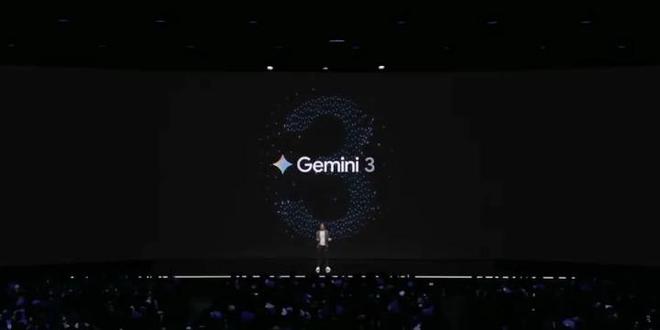
Core Insights - Samsung officially launched the Galaxy S26 series at the Galaxy Unpacked 2026 event, but the highlight was Google's introduction of the Gemini AI agent, which can automate complex tasks like ordering food and hailing rides in the background [1][3]. Group 1: Gemini AI Features - Gemini AI represents a significant evolution in Android, transforming the mobile assistant from merely answering questions to actively completing tasks for users [3]. - The AI can handle multi-step tasks seamlessly, such as processing a pizza order from a group chat by analyzing preferences and executing the order through various applications without user intervention [3][5]. - Initial supported scenarios for Gemini include ride-hailing (e.g., Uber), food delivery (e.g., DoorDash, Grubhub), and grocery shopping, with users able to activate it using natural language commands [3][5]. Group 2: Technical Mechanisms - Gemini operates through a "secure virtual window" mechanism, isolating AI operations within a sandbox environment to ensure user security while executing tasks [5][6]. - It employs a GUI Agent technology that allows the AI to understand and interact with application interfaces, enabling it to perform tasks without needing pre-defined API integrations [5][6]. - The AI's multi-step reasoning and planning capabilities allow it to create execution plans for complex tasks, ensuring it can adapt to various scenarios and handle unexpected situations [6]. Group 3: Market Context and Competition - The capabilities of Gemini AI closely mirror those demonstrated by ByteDance's Doubao mobile assistant just three months prior, indicating a competitive landscape in mobile AI technology [8][9]. - Doubao's early market entry and successful demonstration of similar functionalities have positioned it as a strong competitor in the mobile assistant space [9][10]. - The collaboration between Apple and Google to integrate Gemini into Siri indicates a broader industry consensus on the importance of mobile AI assistants, with significant financial backing for this initiative [10][11]. Group 4: Future Outlook - The introduction of Gemini AI is expected to enhance productivity by reducing app-switching and manual coordination for users, particularly in enterprise settings [12]. - The market for AI-enabled smartphones is projected to grow significantly, with an estimated 147 million units expected to ship in China by 2026, representing a 31.6% year-on-year increase [12]. - Samsung plans to release the Gemini AI feature in a beta version on March 11, 2026, with initial availability in the U.S. and South Korea, aiming to double the number of devices supporting Gemini to 800 million [12][13].



豆包新机进入倒计时,智能体和App“战”到哪一步了?
2 1 Shi Ji Jing Ji Bao Dao· 2026-02-24 00:20
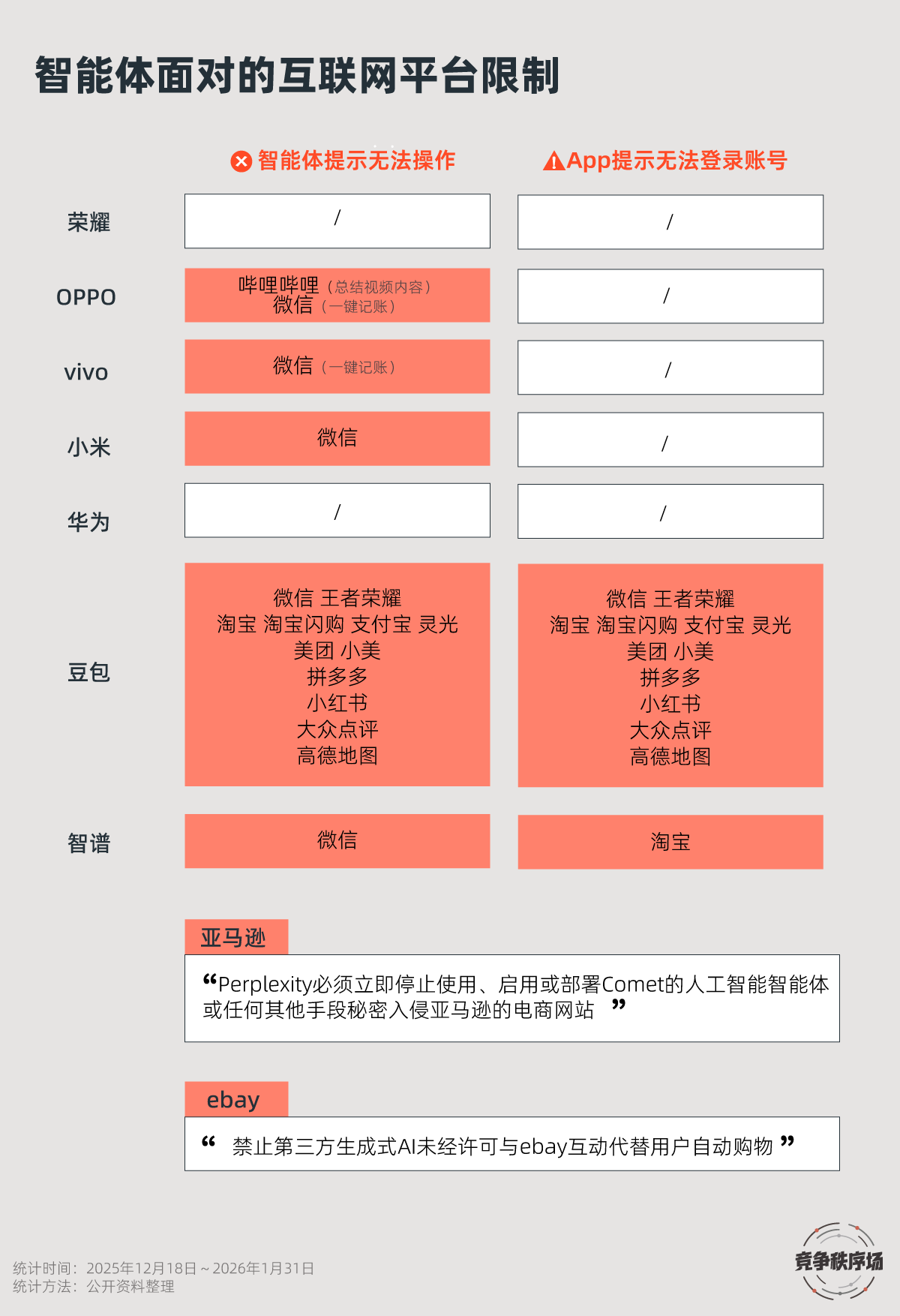
Core Insights - The launch of the "Doubao Mobile Assistant" by ByteDance and ZTE Nubia has sparked significant controversy, particularly due to restrictions imposed by major apps like WeChat and Alipay, which prevent the assistant from fully functioning [1][3] - The ongoing negotiations between ByteDance and hardware manufacturers highlight the challenges of integrating AI assistants into mobile devices, with concerns over system-level permissions and the potential impact on existing AI strategies of phone manufacturers [8][9] - The industry consensus indicates that a viable revenue-sharing model for mobile assistants has yet to be established, complicating the path to commercial agreements among stakeholders [7] Group 1: Market Dynamics - The Doubao Mobile Assistant sold out quickly at a price of 3499 yuan, but faced immediate operational challenges due to app restrictions [1] - ByteDance's initial attempts to partner with major phone manufacturers were unsuccessful, as companies were reluctant to relinquish control over their AI strategies [9] - Recent developments suggest a shift in attitude among app developers, with some agreeing to a "ceasefire" to allow for normal operations of the Doubao assistant [12] Group 2: Technical and Strategic Challenges - The need for system-level permissions for AI assistants poses a significant barrier, as manufacturers are hesitant to grant such access to third-party developers [8][9] - The complexity of integrating AI capabilities into mobile devices raises concerns about performance, battery life, and user experience, which are critical factors for consumers [10][17] - The industry is exploring various cooperation models, including A2A (Application-to-Application) frameworks, to facilitate smoother interactions between AI assistants and apps [11] Group 3: Regulatory and Competitive Landscape - The situation mirrors past conflicts in the tech industry, such as the 3Q War, highlighting ongoing tensions over platform boundaries and competitive practices [13] - The concept of "interoperability" is emerging as a potential framework for resolving disputes, with calls for fair access to system-level capabilities for all developers [14][15] - The need for a unified regulatory approach is emphasized, as stakeholders seek to establish clear rules that balance innovation with user privacy and data control [16][18]

2025年十大合规趋势回顾|AI重构新生态;传统地盘争夺火热
2 1 Shi Ji Jing Ji Bao Dao· 2026-01-05 00:18
Core Insights - The year 2025 marked a significant shift in the AI landscape, with DeepSeek gaining prominence and the launch of the "Doubao" AI mobile assistant, which surpassed 159 million monthly active users, indicating a widespread adoption of AI technology in daily life [1][3][12] - The competitive dynamics in the food delivery sector intensified, with major players like Alibaba, Meituan, and JD.com engaging in aggressive subsidy wars, raising regulatory concerns about market practices [21][22][31] - The regulatory environment for AI and digital platforms is evolving, with a focus on compliance and governance, as seen in the tightening of rules around content moderation and advertising practices [2][18][30] AI Landscape - DeepSeek's open-source model significantly reduced training costs and disrupted the Silicon Valley-dominated AI narrative, being hailed as a "national-level technological achievement" [2][12] - The rise of AI products has led to increased risks, including misinformation and privacy concerns, as users engage with AI in various contexts [4][5][10] - The term "Slop" was coined to describe low-quality AI-generated content, highlighting the challenges of maintaining content integrity in the AI era [4] Advertising and Marketing - The concept of GEO emerged, where brands aim to influence AI-generated content to feature their products without direct advertising, reminiscent of early SEO practices [7][8] - Major AI platforms are grappling with the balance between monetization through advertising and maintaining user trust, with some exploring paid advertising models [9][10] Compliance and Regulation - A notable trend in 2025 was the emergence of AI misuse across various industries, prompting a reevaluation of platform governance capabilities [2][3] - The legal landscape for AI copyright disputes is becoming clearer, with significant cases involving major companies like Disney and OpenAI, indicating a shift towards recognizing AI-generated content as a potential copyright issue [12][13][14] Food Delivery Sector - The food delivery market saw unprecedented subsidy wars, with major companies committing billions to capture market share, leading to regulatory scrutiny [21][22] - Regulatory bodies have begun to intervene more actively, emphasizing the need for fair competition and consumer protection in the face of aggressive marketing strategies [22][31] User Engagement and AI Interaction - The relationship between users and AI is evolving, with increasing instances of users relying on AI for emotional support and companionship, raising ethical and privacy concerns [5][6] - The proliferation of AI tools has lowered the barriers for misuse, leading to new forms of fraud and misinformation in various sectors, including education and e-commerce [10][11] Content Governance - The enforcement of stricter content moderation policies has led to the suspension of accounts that engage in misleading practices, indicating a shift in platform governance strategies [30][31] - Platforms are reassessing their business models in light of the need for authentic content, as the erosion of trust could undermine their commercial viability [31]