打新套利

Search documents
两只今日上市的新股,一只大涨425%,一只破发28%,为何截然不同
Sou Hu Cai Jing· 2025-12-05 16:37
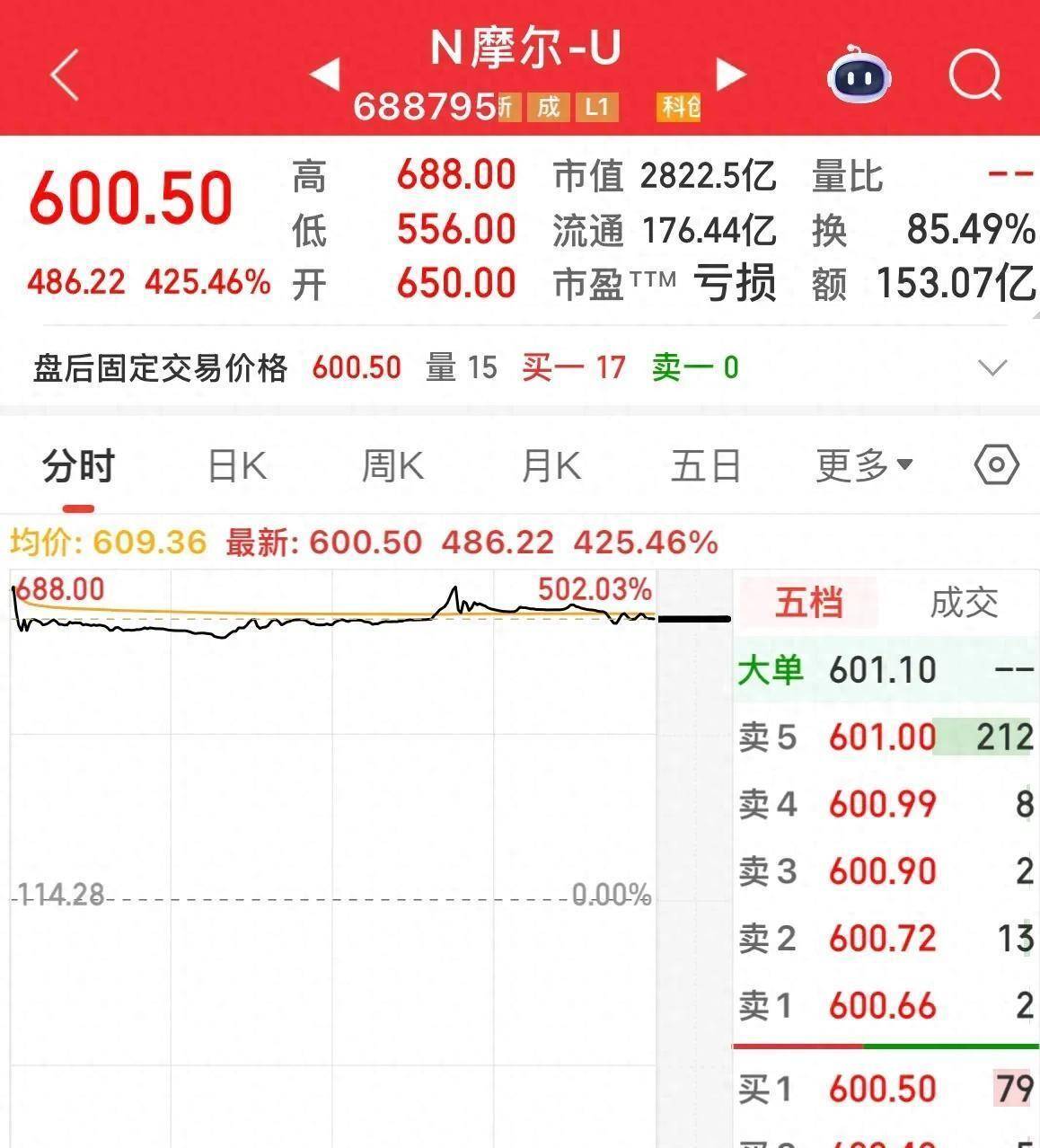
Core Viewpoint - The stark contrast in the stock market performance of two companies, "Moore Threads" in A-shares and "Meet Small Noodles" in Hong Kong, highlights the differences in market mechanisms and investor behavior between the two exchanges [1][5]. Group 1: Company Performance - Moore Threads, a chip company, listed on A-shares with an opening price of 650 CNY, representing a 473% increase from its issue price of 114.28 CNY, allowing investors to gain approximately 268,000 CNY for a single lot [2][5]. - In contrast, Meet Small Noodles, a restaurant chain, listed on the Hong Kong exchange at an issue price of 7.02 HKD, but opened with a 24.23% drop, closing at 5.08 HKD, a 27.81% decline from the issue price [3][12]. Group 2: Market Mechanisms - The A-share market operates under a unique issuance system that often leads to new stocks being undervalued at issuance, creating a significant price gap that investors seek to exploit upon listing [5][7]. - The Hong Kong market employs a market-oriented pricing mechanism where the issue price reflects institutional investors' assessments, leading to less volatility and a more rational pricing environment [11][12]. Group 3: Investor Behavior - A-share investors are predominantly retail, often driven by excitement for new technology and high-growth sectors, which can lead to inflated stock prices on debut [7][16]. - In contrast, Hong Kong's market is dominated by institutional investors who focus on fundamental metrics and are less likely to engage in speculative trading, resulting in a more cautious approach to new listings [12][16]. Group 4: Financial Metrics - Moore Threads reported significant losses, with an average loss of approximately 1.75 billion CNY from 2022 to 2024, yet this did not deter investor enthusiasm due to the perceived potential in the semiconductor sector [8][9]. - Meet Small Noodles had a revenue of 703 million HKD and a net profit of 41.83 million HKD for the first three quarters of 2025, but faced skepticism regarding its valuation and growth potential, leading to its poor market performance [12][14].

行情极限轮换!资金都在冲银行的原因在这
Sou Hu Cai Jing· 2025-07-14 15:57
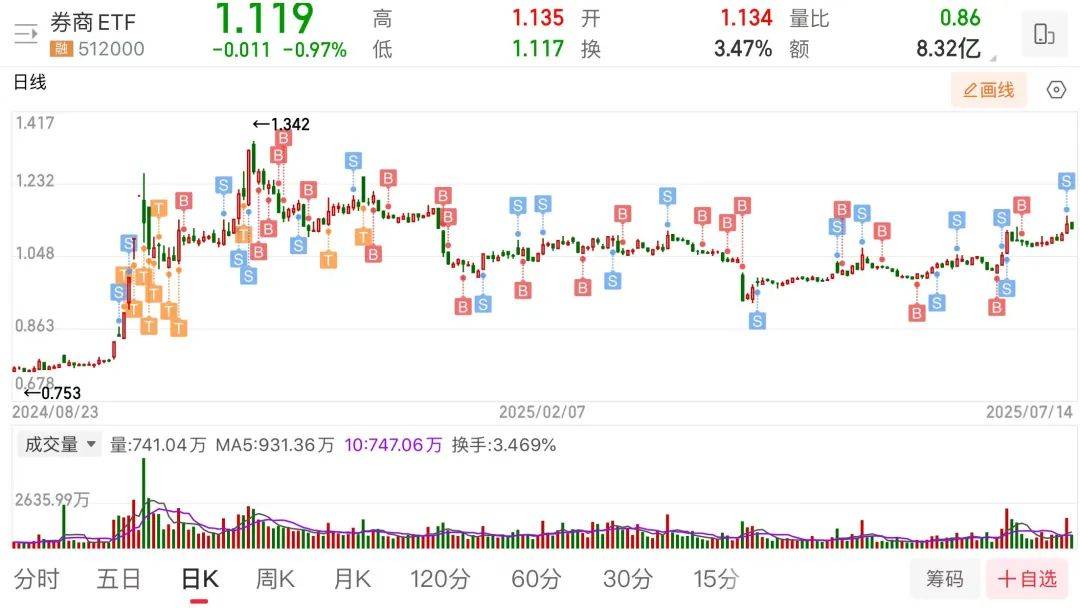
Group 1 - The current market is dominated by bank stocks and micro-cap stocks, with increases of 0.46% and 1.39% respectively, and the latter has reached a new high [1] - Insurance capital is expected to diversify into low PB valuation sectors under the anti-involution expectations, beyond just banks [2][6] - The preference for bank stocks is attributed to their attractive dividend yields and high certainty, which is not solely based on performance predictability [4][6] Group 2 - Bank performance is relatively stable, with manageable declines, as they can utilize provisioning rates to smooth out fluctuations [5] - In comparison, sectors like coal and steel have lower dividend yields and significant performance declines, with major players like China Shenhua expected to see a net profit drop of 8.6%-15.7% year-on-year [5] - The dynamic nature of dividend yields and fundamentals means that as bank stock prices rise, their attractiveness to insurance capital may decrease, while other sectors could become more appealing if they stabilize and offer good yields [6][7] Group 3 - The brokerage index has shown a slowdown, failing to maintain its upward momentum [8] - The recent breakthrough of 3500 points lacks the usual fervor, indicating a subdued market sentiment [9] - Most brokerages reported significant profit growth, with some like Guotai Junan and Haitong seeing increases of 205%-218% and 1183% respectively, driven by a favorable stock market environment [11][13] Group 4 - The second wave of the brokerage market is believed to be ongoing, supported by solid fundamentals [14] - Historical data suggests that significant upward movements in the brokerage sector are infrequent, with only seven instances of over 20% increases since 2010, excluding 2015 [15] Group 5 - Two REITs are available for subscription, with minimum investments of 1000 yuan each, expected to yield annualized returns surpassing reverse repos [17] - The current stock-bond yield spread stands at 5.93%, indicating a higher relative attractiveness of stocks compared to bonds [23]