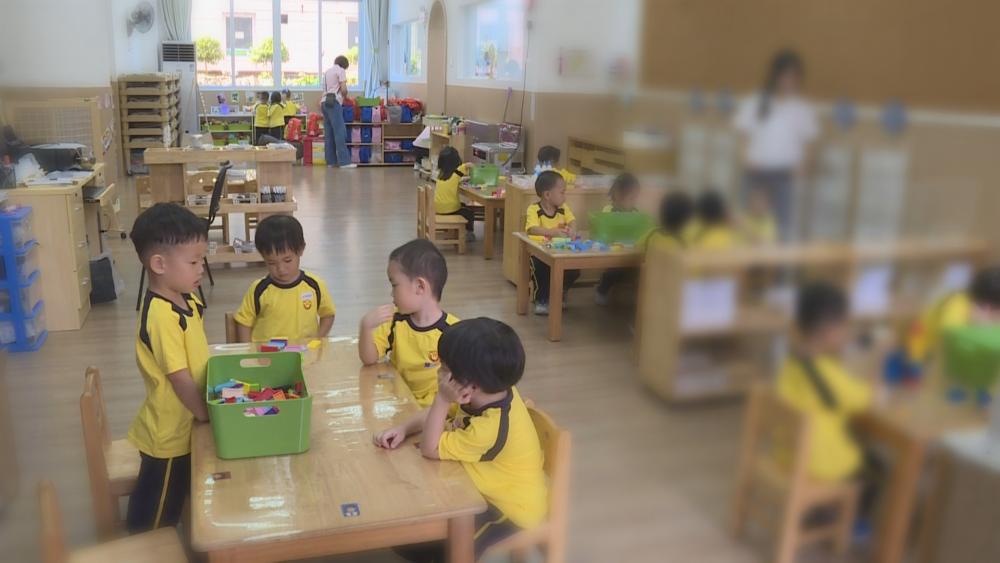
托育服务发展

Search documents
卫健委:设妇产科的医院普遍开设早孕关爱门诊 保护生育力
Di Yi Cai Jing· 2026-02-10 08:54
Group 1 - The core viewpoint of the article emphasizes the Chinese government's commitment to enhancing fertility services and support for families, aiming to stimulate childbirth willingness, address parenting challenges, and reduce the financial burden of raising children [1] - The National Health Commission (NHC) has announced an increase in the number of public service projects to ten this year, with a continued focus on maternal and child health as a key area for improving public health services [1] - This year, "fertility protection" has been included in the health system's public service projects, alongside the ongoing enhancement of pediatric and childcare services [1] Group 2 - By 2025, public hospitals will provide pediatric services as part of public service projects, with a target of increasing the number of childcare slots to 4.5 per 1,000 children under three years old, and an addition of 660,000 inclusive childcare slots nationwide [2] - As of the end of last year, 4,845 secondary and tertiary public hospitals were providing pediatric services, and the number of childcare slots reached 4.73 per 1,000 people, exceeding the previous year's targets [2][3] - This year, the focus will shift towards enhancing pediatric service capabilities at the grassroots level, with plans to add 1,000 community health centers and township hospitals to provide common pediatric diagnosis and treatment services [3] Group 3 - The notification outlines two main tasks: increasing the supply of pediatric services at the grassroots level and enhancing the diagnostic capabilities of pediatric services through training and resource allocation [3] - There is a need to optimize pediatric service supply, focusing on improving the capabilities of grassroots healthcare providers, as many are currently general practitioners [3][4] - The notification also highlights the importance of addressing potential issues such as personnel shortages and increased operational costs at county hospitals due to the training of pediatric staff [4] Group 4 - Similar to pediatric services, childcare services will also be expanded this year, with an additional 150,000 inclusive childcare slots planned [5] - The notification emphasizes the need for better management and quality standards in childcare services, addressing current issues such as mixed qualifications and varying service quality [5] - Local authorities are tasked with ensuring compliance with childcare service regulations and enhancing the overall quality of care provided [5] Group 5 - The focus on women's fertility protection includes the promotion of early pregnancy care clinics, which aim to reduce unintended pregnancies and the rate of abortions [6][7] - A total of 10,000 medical institutions will provide early pregnancy care services, targeting women within the first 14 weeks of pregnancy [8] - The early pregnancy care clinics will offer a range of services, including nutritional guidance, psychological support, and individualized treatment plans for various pregnancy conditions [8][9] Group 6 - The notification outlines plans for the early pregnancy care clinics to provide comprehensive support tailored to the different needs of early-pregnancy women, including referrals to specialists when necessary [9] - By the end of November, it is expected that all medical institutions with obstetrics departments will offer early pregnancy care services, with local health authorities responsible for overseeing the implementation [9] - To encourage healthcare professionals to participate in these services, the notification includes provisions for performance evaluation and compensation adjustments for those involved in early pregnancy care [9]
2025年全国新增普惠性托位达到89万个
Xin Lang Cai Jing· 2026-01-19 14:04
Core Insights - The National Health Commission of China aims to increase the number of childcare spots to 4.5 per 1,000 children under three years old, with a target of adding 660,000 inclusive childcare spots by 2025, ultimately reaching 4.73 spots per 1,000 children and 890,000 new spots, exceeding initial goals [1] Group 1: Supply and Demand of Childcare Services - The number of childcare service institutions has reached 126,000, with a total of 6.66 million spots available, and city-level comprehensive childcare service centers have increased to 254, achieving a coverage rate of 61% [1] - Since the start of the 14th Five-Year Plan, the total number of childcare institutions has increased by 66,000, representing a growth rate of 110%, while the total number of spots has increased by 3.79 million, a growth rate of 132% [1] Group 2: Cost and Affordability of Childcare Services - The average price of full-day childcare has decreased by 29%, alleviating the financial burden on families [1] - Nine provinces have implemented subsidy systems for childcare services, with 1,315 counties introducing various support measures such as construction subsidies, operational subsidies, and family consumption vouchers [1] Group 3: Quality of Childcare Services - Approximately 80,000 childcare institutions have signed agreements with healthcare institutions to receive professional health guidance, establishing health growth records for enrolled children and providing health checks and growth monitoring services [2]
全国千人口托位数达到4.73个 托育服务工作取得积极进展
Yang Shi Wang· 2025-12-27 06:17
Core Insights - The childcare service sector is a significant concern for families with infants and young children, with the National Health Commission announcing progress in expanding childcare services by 2025 [1] Group 1: Current Status and Growth - The number of childcare service institutions has reached 126,000, with a total of 6.66 million childcare spots available [3] - Since the start of the 14th Five-Year Plan, the total number of childcare institutions has increased by 66,000, representing a growth rate of 110% [3] - The total number of childcare spots has increased by 3.79 million, with a growth rate of 132% [3] Group 2: Policy Support and Financial Measures - Nine provinces have implemented subsidy systems for childcare services, with 1,315 counties introducing various support measures to reduce family costs [3] - The average price of full-day childcare has decreased by 29% nationwide [3] - The government has selected 30 demonstration cities and allocated 3 billion yuan in central financial support to promote inclusive childcare service development [3] Group 3: Collaboration with Health Institutions - Approximately 80,000 childcare service institutions have signed agreements with healthcare institutions to receive professional health guidance [3] - Policies have been introduced to lower operational costs for childcare institutions, including VAT exemptions and loan interest subsidies [3]

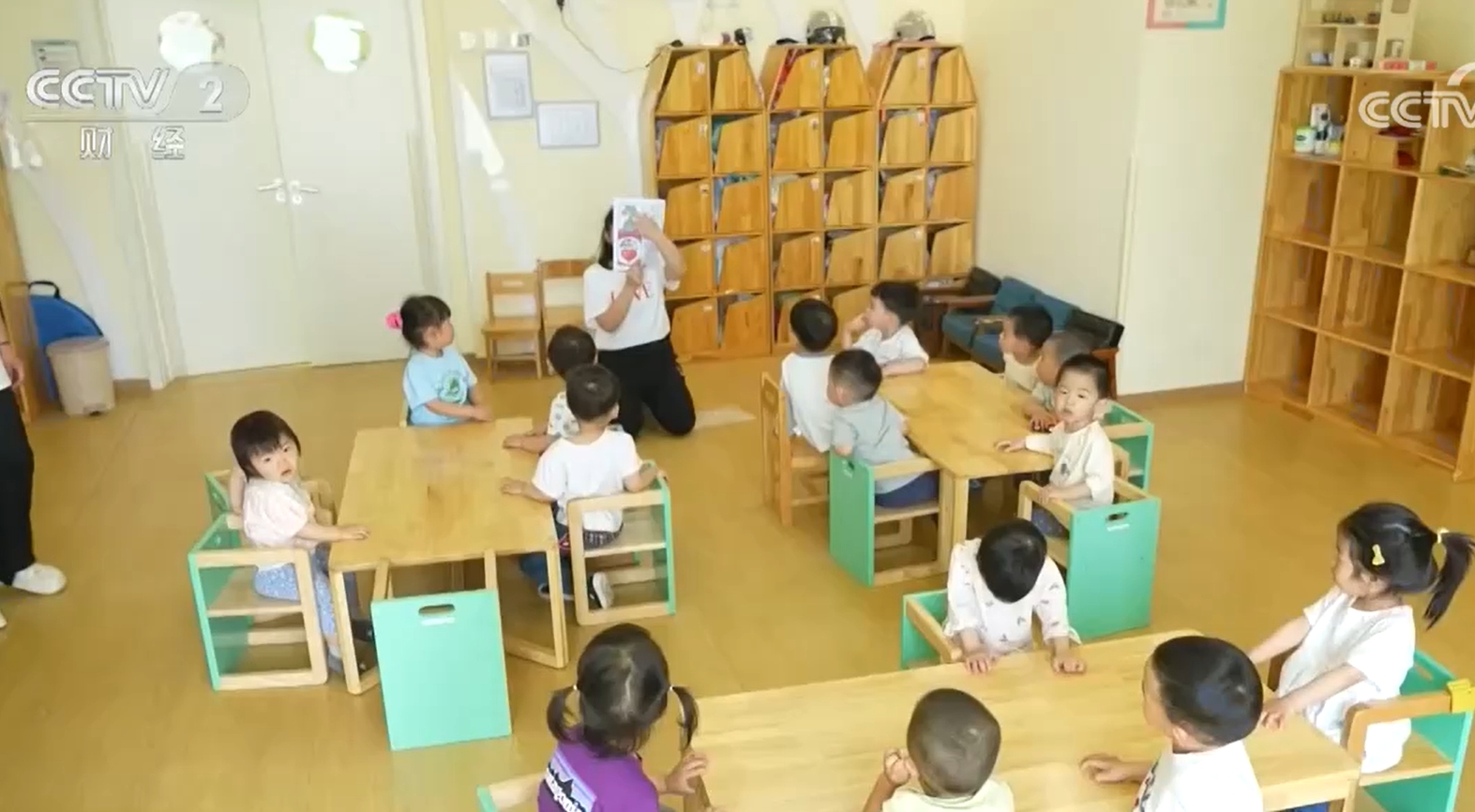
今年新增普惠性托位数超89万个
Xin Lang Cai Jing· 2025-12-26 08:47
Core Insights - The National Health Commission reported that over 890,000 new inclusive childcare spots were added this year, bringing the total to 6.657 million, with 3.32 million being inclusive spots, exceeding the initial target of 660,000 new spots for 2023 [1][3] - The number of childcare institutions has reached 126,000, with a coverage rate of 61% for municipal comprehensive childcare service centers, marking a 110% increase since the start of the 14th Five-Year Plan [3] - The average price of full-day childcare has decreased by 29%, alleviating the financial burden on families [3] Summary by Categories Childcare Capacity - The number of childcare spots per 1,000 children under three years old is now 4.73, surpassing the initial target of 4.5 [1] - Total childcare spots increased by 3.79 million, a growth of 132% since the beginning of the 14th Five-Year Plan [3] Institutional Growth - The total number of childcare institutions has increased by 66,000 since the start of the 14th Five-Year Plan [3] - There are currently 254 municipal comprehensive childcare service centers [3] Financial Support and Pricing - Nine provinces have implemented childcare service subsidy systems, with 1,315 counties introducing various support measures to reduce childcare costs [3] - The decline in childcare service prices has contributed to easing the "high cost of childcare" issue [3] Quality of Care - Approximately 80,000 childcare institutions have partnered with healthcare organizations to provide professional health guidance and establish health records for children [3]
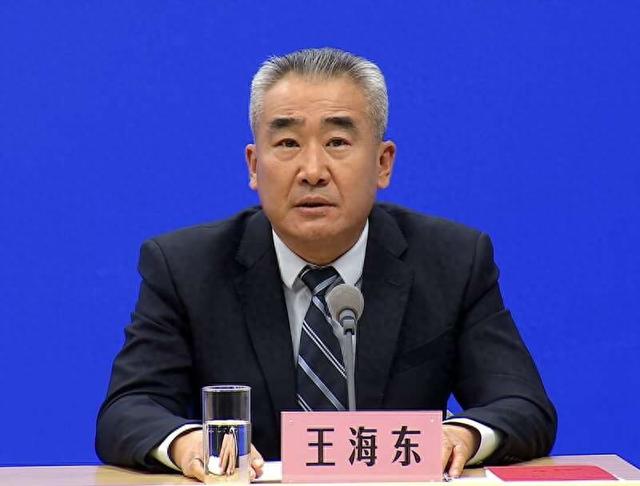
新政来了!清单之外不许乱收费,看看你家幼儿园怎么变
2 1 Shi Ji Jing Ji Bao Dao· 2025-12-23 12:34
Core Viewpoint - The recent notice issued by the National Development and Reform Commission, Ministry of Education, and Ministry of Finance aims to standardize kindergarten charging policies, promoting transparency and reducing costs for families while addressing issues of arbitrary fees in private kindergartens [2][3][4]. Summary by Relevant Sections Kindergarten Charging Policies - The notice establishes a flexible government-guided pricing system for public kindergartens instead of fixed government pricing, allowing differentiated pricing for nursery classes to enhance quality and encourage participation [2][12]. - It strictly regulates charging in private kindergartens, particularly targeting arbitrary fees to lower the cost of childcare education for families [2][4]. Fee Structure - The notice outlines specific charging items, including education fees (tuition), accommodation fees, service fees, and additional fees for nursery classes [5]. - A directory system for charging items is mandated, requiring localities to create lists of allowable service and additional fees, ensuring kindergartens cannot charge beyond these lists [6][7]. Regulation of Fees - The notice categorizes kindergartens into public, inclusive, and for-profit private institutions, with different pricing regulations: public and inclusive kindergartens follow government-guided pricing, while for-profit kindergartens can set market-adjusted prices [12][14]. - It emphasizes the need for regulatory oversight on for-profit kindergartens to prevent excessive profit-seeking tendencies, with some institutions reportedly charging significantly higher fees than inclusive kindergartens [15]. Encouragement of Nursery Services - The notice encourages kindergartens to provide nursery services, addressing the current shortage of such services and the declining number of new enrollments due to decreasing birth rates [16]. - It allows kindergartens to set nursery fees based on the education fee standards, promoting differentiated pricing in regions with successful inclusive nursery services [16]. Financial Support and Challenges - The notice highlights the lack of a national financial support system for nursery services, leading to high costs for families [17]. - The draft nursery service law proposes that local governments include nursery service development in their economic plans and budgets, aiming to establish a sustainable financial support mechanism [18]. - There are disparities in financial support for inclusive kindergartens across different regions, necessitating improved monitoring and timely funding [19].