扩围提质

Search documents
长三角四省市科创力量共同崛起
Xin Lang Cai Jing· 2025-12-19 23:35
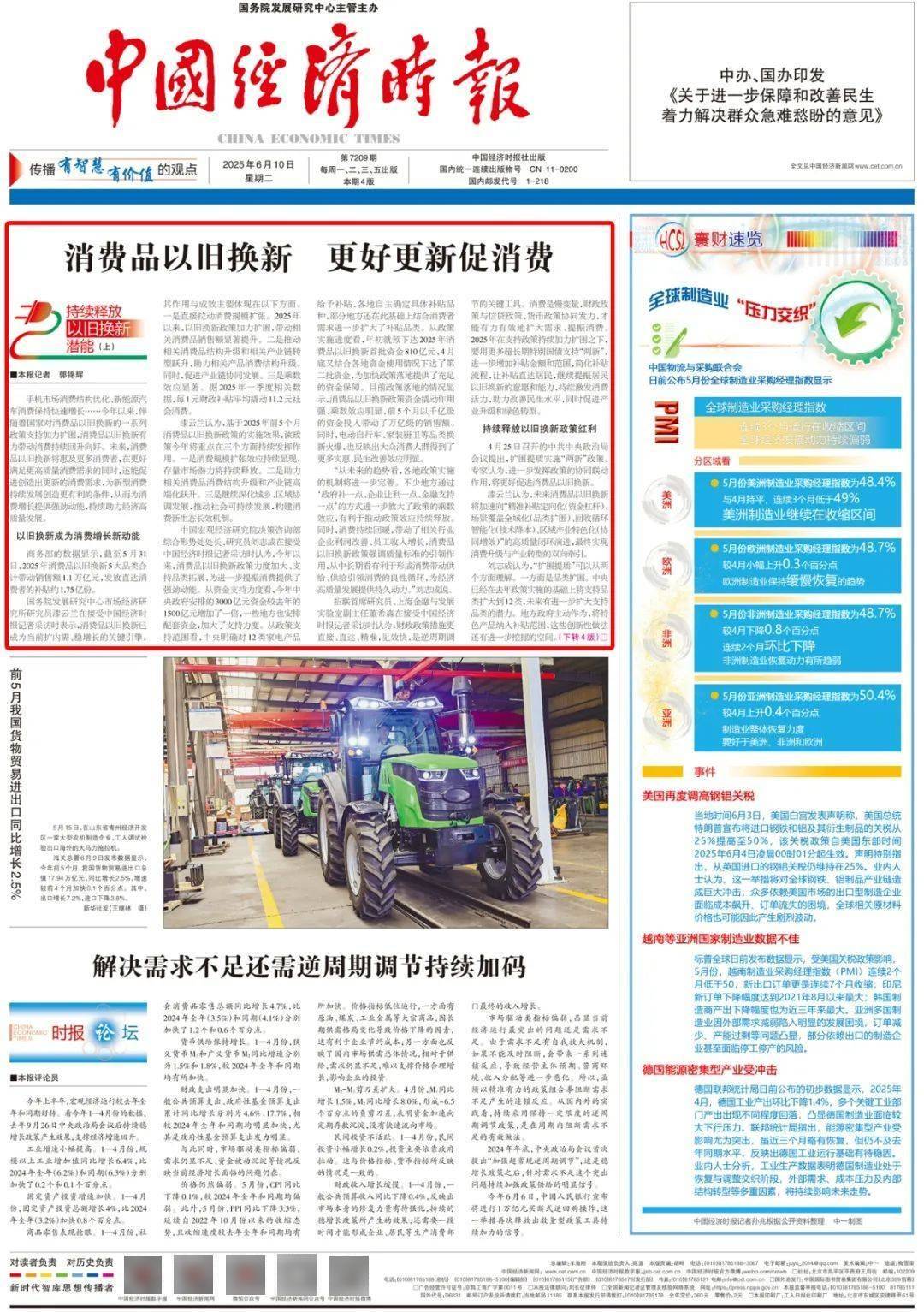
Core Viewpoint - The article emphasizes the strategic importance of the Yangtze River Delta (YRD) region in fostering innovation and entrepreneurship, highlighting the collaborative efforts of cities within the region to build a world-class international technology innovation center [1][4]. Group 1: Regional Development and Innovation - Emerging companies in the YRD, such as Ku Fei and Jiaxing Enhe, are leveraging the region's strong technological capabilities for long-term growth, with plans for multi-city operations [1]. - The central economic work conference has outlined the goal of establishing international technology innovation centers in key regions, including the YRD, to enhance China's global competitiveness in technology [4]. - The YRD is transitioning from a single-city innovation model to a multi-polar structure, with Shanghai leading and cities like Nanjing, Hangzhou, and Suzhou serving as critical support points [1][4]. Group 2: R&D Investment and Resources - In 2024, Shanghai's R&D expenditure is projected to reach 234.37 billion yuan, with an R&D intensity of 4.35%, ranking among the top in the country [5]. - Jiangsu's R&D investment is expected to hit 459.75 billion yuan in 2024, with an R&D intensity of 3.36%, indicating a strong position among innovative regions [6]. - Zhejiang's R&D funding is anticipated to be 290.14 billion yuan, marking a historical high with an intensity of 3.22% [7]. Group 3: Higher Education and Research Institutions - The YRD is home to 37 universities included in the "Double First-Class" initiative, accounting for a quarter of the total in China, with significant funding allocated to institutions like Zhejiang University and Shanghai Jiao Tong University [8]. - New research universities are emerging in the YRD, contributing to the region's innovation landscape, with institutions like Westlake University focusing on cutting-edge research [8]. - The collaboration between universities and research institutions is crucial for driving technological innovation and industry integration in the YRD [13]. Group 4: Strategic Infrastructure and Innovation Platforms - The YRD has over 40 large scientific facilities, making it a hub for advanced research and innovation, with significant projects in Shanghai and Hefei [10][11]. - Major scientific installations, such as the National Major Science and Technology Infrastructure in Jiangsu, are enhancing the region's research capabilities and facilitating groundbreaking innovations [11]. - The G60 Science and Technology Corridor exemplifies the integration of multiple cities in the YRD, promoting deep connections between technological achievements and industrial applications [14][15]. Group 5: Policy and Collaborative Framework - The recent legislative measures aim to break down administrative barriers and foster a more competitive innovation ecosystem in the YRD [15]. - The focus is on creating a resilient innovation system that allows for efficient resource flow and collaboration among cities, enhancing the overall innovation capacity of the region [12][13]. - The strategic alignment of key cities in the YRD is essential for enhancing international competitiveness and fostering collaborative innovation efforts [15].

持续释放以旧换新潜能丨消费品以旧换新 更好更新促消费
Sou Hu Cai Jing· 2025-06-10 01:21
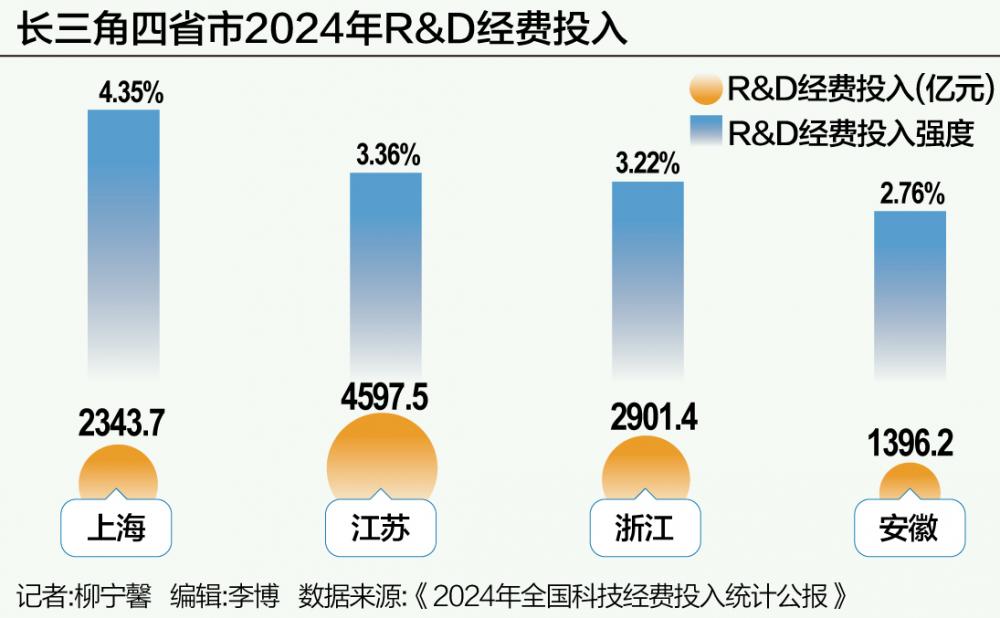
Core Viewpoint - The "old-for-new" consumption policy in China has become a key driver for economic growth, significantly boosting consumer spending and promoting structural upgrades in related industries [2][3][4]. Group 1: Policy Impact - As of May 31, 2025, the "old-for-new" policy has driven sales of 1.1 trillion yuan across five major categories, with approximately 175 million subsidies issued directly to consumers [2][21]. - The policy has been identified as a crucial engine for expanding domestic demand and stabilizing growth, with a notable multiplier effect where every 1 yuan of fiscal subsidy stimulates an average of 11.2 yuan in social consumption [2][3][4]. Group 2: Financial Support - The central government has allocated 300 billion yuan for the "old-for-new" policy in 2025, doubling the previous year's funding of 150 billion yuan, with local governments also increasing their support [3][4]. - The policy has been implemented with a focus on 12 categories of household appliances, with local governments having the flexibility to expand the list based on consumer needs [3][4]. Group 3: Future Trends - Experts predict that the "old-for-new" policy will evolve towards more precise subsidies, broader category coverage, and enhanced recycling technologies, ultimately driving both consumption upgrades and industrial transformation [5][11]. - The emphasis on quality standards within the policy is expected to foster a virtuous cycle where consumption drives supply and vice versa, contributing to sustainable economic growth [4][5].