
扩张性政策

Search documents
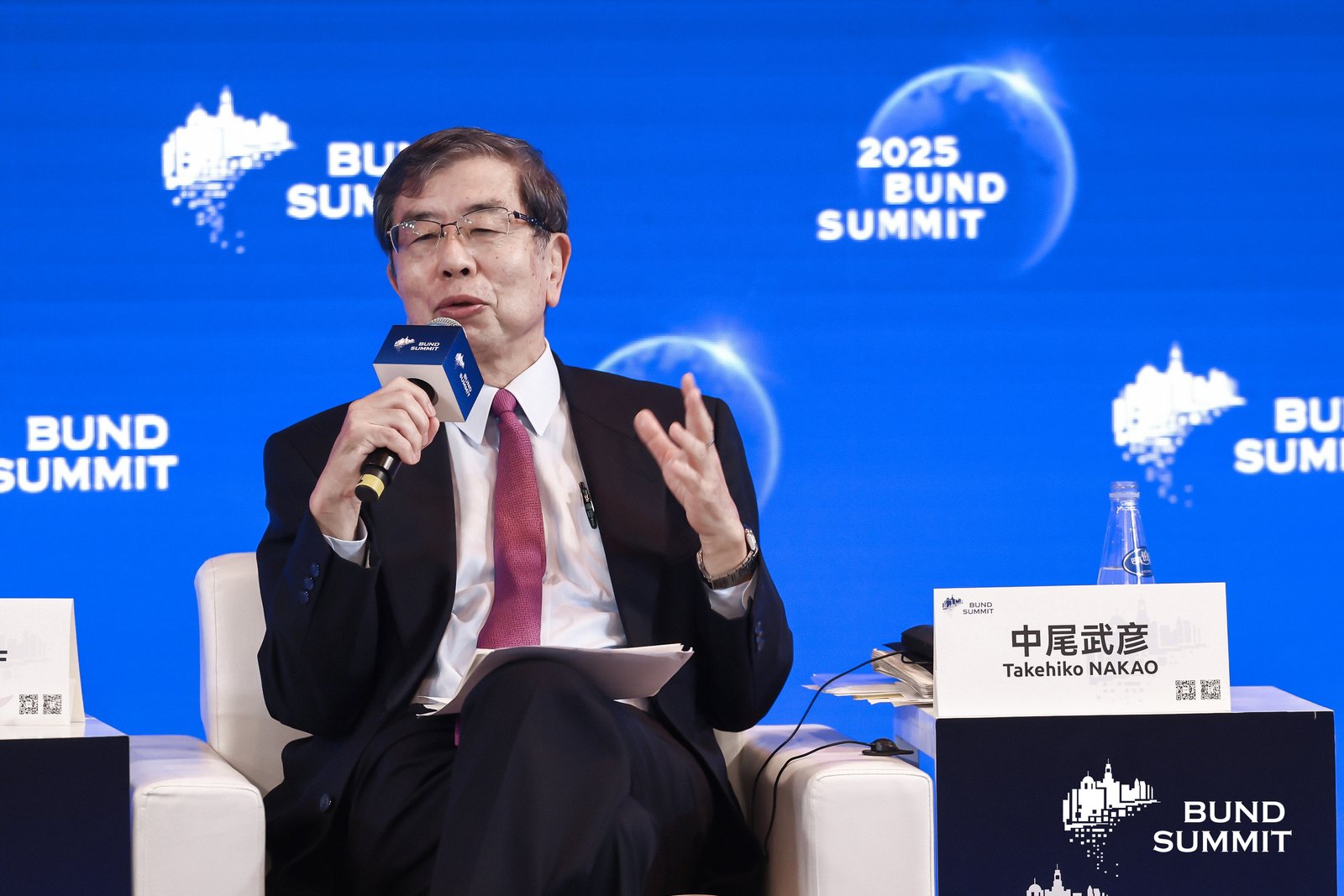
中尾武彦:希望高市早苗推行稳健的货币和财政政策
Di Yi Cai Jing· 2025-10-26 03:16
在通缩环境下,通胀目标是否有效和合适? 在中尾武彦看来,日本当时遭受了多重压力,包括资产负债表调整、负财富效应、老龄化和人口开始减少、新兴市场竞争力超预期走强、美国数字经济的领 先,以及美国在某些领域的打压等。 "当时美国担心会被日本超越,在1990年代对日本施加了巨大压力。1990年代日本的人均GDP(以美元计)比美国高出约30%~40%,因此美国感到害怕, 并在某种意义上通过(迫使日元)极度升值以及半导体协议等方式猛烈打压日本,这限制了日本经济和日本公司的实力。(日本)企业高管开始认为,最好 不要做太多,不要激进,保持温和更好,那种魄力或企业家精神就被削弱了。"中尾武彦认为,并不仅仅是通缩导致了日本经济变弱。 "泡沫破裂后,(日本)连续实施了财政政策,但并未真正奏效。"中尾武彦回忆说,从2013年起,安倍经济学开始大规模推行扩张性政策,但这些政策的影 响并非全是积极的。 "通胀确实回来了,股价也上涨了,但这部分是因为,或者说主要是因为进口价格上涨,因为日元便宜,也因为乌克兰危机后的商品价格上涨等因素。所以 这未必是货币政策的效果。"中尾武彦认为,股价上涨还有一部分原因是日经指数由许多出口型并有大量海外资产 ...

全面解读4月经济:不只是关税
GOLDEN SUN SECURITIES· 2025-05-19 13:33
Economic Overview - In April 2025, industrial added value increased by 6.1% year-on-year, down from 7.7% in the previous period, while retail sales grew by 5.1%, a decrease from 5.9%[1] - Fixed asset investment for January-April rose by 4.0% year-on-year, slightly down from 4.2%, with real estate investment declining by 10.3%[1][2] Consumption Trends - Retail sales in April fell short of expectations, with a year-on-year growth of 5.1%, down 0.8 percentage points from the previous value and below the market expectation of 5.5%[3][12] - The consumption of gold and silver jewelry, cultural office supplies, and building materials saw the highest growth rates, while automotive consumption remained volatile[3][14] Investment Insights - Real estate investment saw a significant decline, with a year-on-year drop of 10.3%, compared to a previous decline of 9.9%[5][18] - Manufacturing investment increased by 8.8% year-on-year, down from 9.1%, indicating a slight decrease in corporate investment willingness[5][26] Supply and Production - Industrial production growth was recorded at 6.1%, a decrease of 1.6 percentage points from the previous period, but still above market expectations of 5.2%[5][38] - The service sector's production index fell by 0.3 percentage points to 6.0% year-on-year[39] Employment and Economic Outlook - The urban survey unemployment rate in April was 5.1%, down 0.1 percentage points, consistent with seasonal trends[44] - Looking ahead, the second quarter is expected to maintain economic resilience, with GDP growth projected around 5%, but pressures are anticipated to increase in the second half of the year[2][10][11]