投顾+ETF

Search documents
正名之后,更见底色,华夏基金ETF背后的“长期主义”
点拾投资· 2026-03-23 03:14
Core Viewpoint - The article discusses the unprecedented "renaming battle" in China's ETF market, where over 1,400 ETFs must complete renaming by the end of March, marking the end of the "name dividend" era and the beginning of a standardized branding phase for ETF products [1]. Group 1: Historical Context and Development - In 2004, China’s first ETF, the Huaxia SSE 50 ETF, was launched by Huaxia Fund, marking the beginning of the ETF market in China [3]. - Huaxia Fund took five years to develop the ETF, conducting extensive investor education and outreach, which laid the groundwork for the future growth of the ETF market [3]. - By January 2026, Huaxia Fund's ETF management scale exceeded 1 trillion yuan, making it the first fund manager in China to reach this milestone [3]. Group 2: Product Strategy and Market Position - Huaxia Fund's ETF product lineup has grown to 122, covering a wide range of categories including core broad-based, popular industry themes, cross-border markets, and Smart Beta strategies [7]. - The "asset management Lego" concept allows investors to construct portfolios flexibly, with flagship products providing stability and growth opportunities [7]. - Huaxia Fund has shown a keen ability to capture emerging industries, with significant growth in ETFs related to robotics and artificial intelligence [8]. Group 3: Service and Innovation - The launch of the "Red Rocket" platform in 2024 represents Huaxia Fund's commitment to investor education and service, providing a comprehensive online service for index investment [11]. - The platform has served over 15 million users and attracted thousands of professional financial advisors, indicating its broad market appeal [11]. Group 4: Competitive Landscape and Fee Strategy - The collective renaming of ETFs aligns with Huaxia Fund's strategy of standardization and transparency, which aims to lower investment decision-making barriers for investors [13]. - Huaxia Fund has reduced management fees for 35 ETFs to the lowest market rate of 0.15% per year, demonstrating its competitive edge and commitment to investor benefits [13]. - This low-fee strategy is based on a scale effect, where larger scale leads to higher operational efficiency and lower fees, benefiting investors [13]. Group 5: Global Positioning - By 2025, China's ETF market surpassed 6 trillion yuan, becoming the largest in Asia and the second largest globally, with Huaxia Fund's international ranking improving to 18th among global ETF providers [16]. - The rise of Huaxia Fund reflects the broader growth of China's asset management industry on the global stage, challenging established players in the ETF market [16].


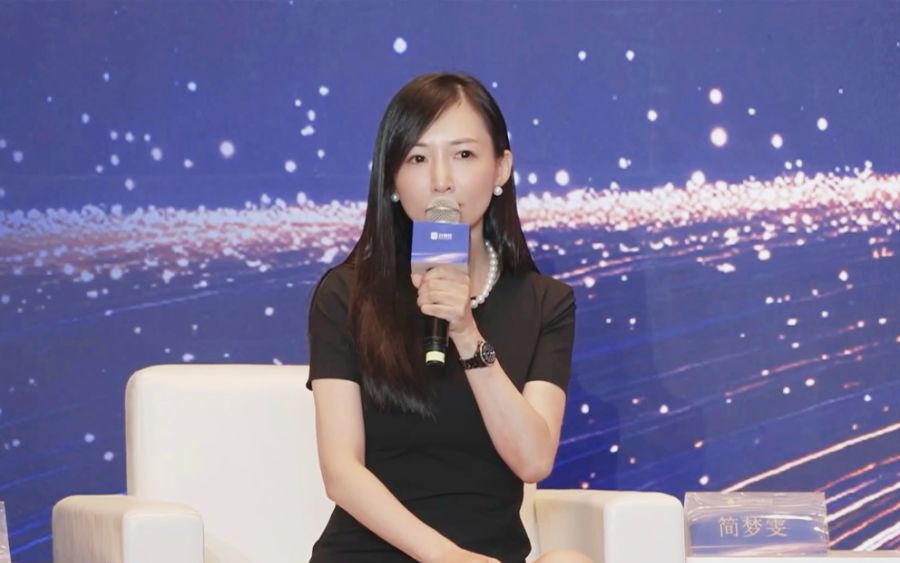
万得基金简梦雯:“投顾+ETF”有望成为财富管理新模式
2 1 Shi Ji Jing Ji Bao Dao· 2025-08-20 05:41
Core Insights - The event "2025 Asset Management Annual Conference" highlighted the growing trend of passive investment, particularly the role of ETFs in wealth management [1][3] - The combination of "advisory + ETF" is expected to become a new model that balances buyer interests and institutional commercial needs in wealth management [1][4] Group 1: ETF Market Development - ETFs have been experiencing robust growth globally, with China's ETF products continuing to expand over the past seven years [3] - Currently, China's ETF market is primarily focused on broad-based index products, lacking in Smart Beta and other strategy-based index offerings compared to the U.S. market [3] - The marginal cost of issuing index products is expected to decrease as the diversity of the ETF market increases [3] Group 2: Wealth Management Trends - The concept of "asset scarcity" is relative; as the era of guaranteed returns ends, investors will need to pursue diversified asset allocation to achieve expected risk-return profiles [3] - The wealth management industry is entering a significant era where both institutional and individual investors must adopt a diversified asset allocation approach to meet investment goals [3][4] Group 3: Recommendations for Wealth Management Institutions - Wealth management institutions should adopt a buyer's advisory perspective to help investors select quality assets like ETFs for effective asset allocation [4] - Investment education is crucial, as ETFs offer lower entry barriers and higher liquidity for individual investors [4] - Companies like Wind Fund are actively engaging in investor education initiatives, such as ETF combination configuration competitions, to raise awareness of the value of holding ETFs and the importance of long-term investment [4]