挤泡沫

Search documents
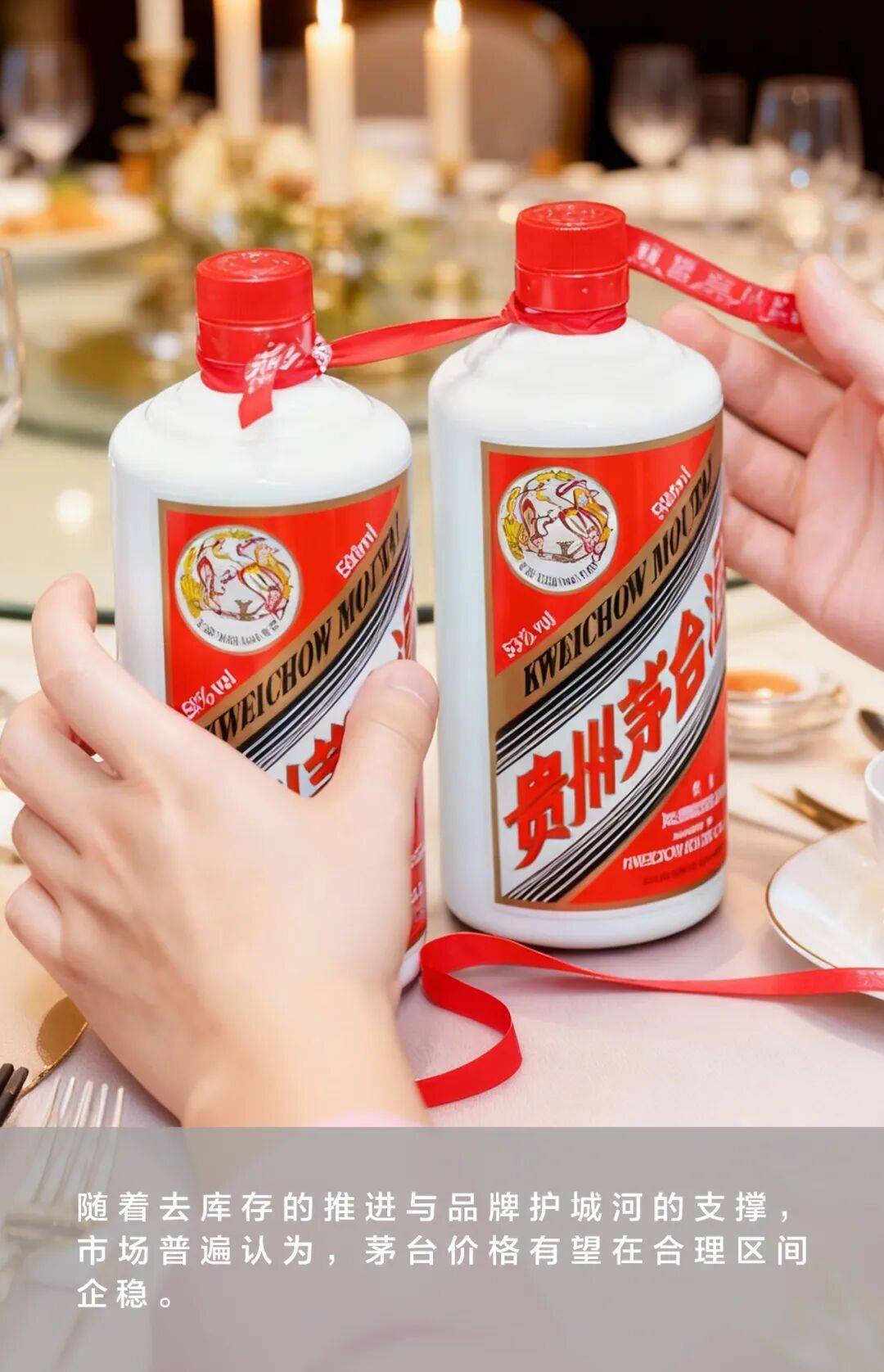
1499会是飞天茅台的“长红”线吗?
Sou Hu Cai Jing· 2026-01-04 14:26
Core Insights - The launch of the 53-degree 500ml Feitian Moutai on the "i Moutai" app has generated significant consumer interest, with over 100,000 users purchasing within the first three days, leading to a revision of purchase limits from 12 bottles to 6 per person per day [2] - This direct sales strategy is seen as a strategic move for Moutai, allowing the company to gain better consumer insights and combat market speculation by controlling pricing through official channels [2][4] - The response from distributors is mixed, with some feeling betrayed by the company's shift away from traditional distribution channels, which have previously been essential for Moutai's expansion [4] Company Impact - The direct sales approach is expected to enhance Moutai's performance, with estimates suggesting significant sales volume during the New Year period, potentially injecting substantial revenue into the company [2] - The official pricing strategy aims to reduce the influence of scalpers and restore Moutai's pricing power, addressing issues of market distortion and ensuring a more stable pricing environment [2][7] - However, concerns arise regarding the potential decline in the financial attributes of Moutai if prices drop significantly, which could affect its status as a luxury item [7] Consumer Perspective - The "i Moutai" platform's appeal lies in its guarantee of authenticity, addressing long-standing consumer concerns about counterfeit products in the market [5] - The official direct sales channel is expected to meet genuine consumer demand for occasions such as family gatherings and gift-giving, thereby expanding the consumer base [7] Industry Context - The white liquor industry is currently undergoing a period of adjustment, focusing on inventory reduction and market stabilization, which may pressure mid-tier brands and smaller enterprises [7] - The pricing strategy of Moutai is anticipated to create a more rational market environment, potentially stabilizing prices within a reasonable range as the company navigates challenges related to consumer demographics and brand positioning [7][8]


Biotech扎堆冲港股,上市梦碎成常态,核心短板藏不住了
Sou Hu Cai Jing· 2025-12-02 12:50
Core Viewpoint - The Hong Kong stock market's 18A IPO sector has experienced a dramatic reversal, with 80% of biotech companies failing to secure listings in the second half of the year after a frenzied first half [1][3]. Group 1: IPO Market Dynamics - In 2025, nearly 70 companies applied for 18A IPOs, but only about 15 are expected to succeed, indicating that 4 out of 5 companies will be eliminated [3]. - The biotech sector has seen a significant downturn, with many companies experiencing drastic stock price declines, some losing half their value in a short period [3][9]. - The backlog of IPO applications has created a bottleneck, leading to increased scrutiny and higher entry barriers for companies seeking to go public [5]. Group 2: Investment and Market Sentiment - The initial excitement for IPOs was sparked by the successful debut of InnoCare Pharma in April 2025, which saw a 116% surge on its first day, raising HKD 15.55 billion [7]. - Major biotech firms like Sihuan Pharmaceutical and Jiangsu Hengrui Medicine have seen their market valuations soar, but this is juxtaposed with the underlying struggles of the biotech sector [9]. - The past two years have seen a significant decline in the primary market, with only 325 financing events totaling HKD 41.4 billion in the first three quarters of 2025, compared to 992 events totaling HKD 207.1 billion in 2021 [11]. Group 3: Strategic Recommendations for Biotech Companies - Companies should avoid relying on IPOs as a lifeline and instead focus on eliminating non-core projects to concentrate resources on late-stage pipelines, which have a higher likelihood of successful listings [15][16]. - Collaborations with multinational and large pharmaceutical companies are encouraged to secure funding and leverage their research and distribution resources [18]. - The industry must return to rationality, recognizing that drug development is a slow process and that companies should not be swayed by short-term market sentiments [20].