提升免疫力

Search documents
流感≠普通感冒!流感季来临,家庭药箱该备点啥?
Ren Min Wang· 2025-12-04 03:30
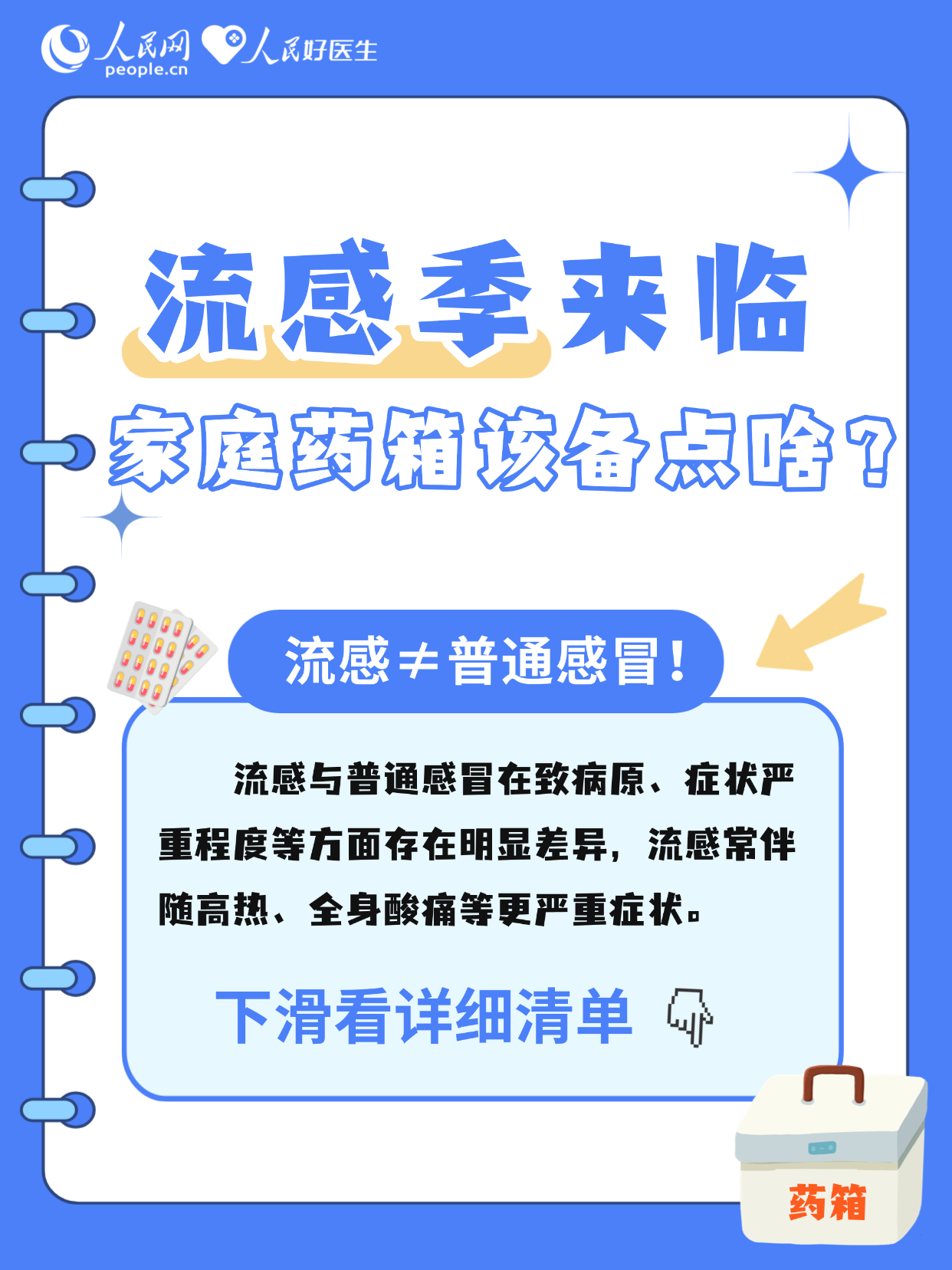
Core Viewpoint - The article emphasizes the importance of distinguishing between influenza and the common cold, highlighting their differences in pathogens and symptom severity, and provides a practical medication list for families to prepare for the flu season [1]. Group 1: Differences Between Influenza and Common Cold - Influenza and common cold have similar symptoms but differ significantly in pathogens and severity [1]. Group 2: Medication Recommendations - Acetaminophen is recommended for alleviating fever symptoms caused by influenza, suitable for adults, pregnant women, and children aged 3 months and older, with dosage strictly calculated based on weight for infants and children [4]. - Ibuprofen is effective for fever reduction and relieving mild to moderate pain, appropriate for children over 6 months and adults, with specific formulations for children [4]. - Oseltamivir should be used as soon as influenza is diagnosed, ideally within 48 hours of onset, and is suitable for both types A and B influenza [6][7]. - Baloxavir marboxil is a viral RNA polymerase inhibitor for adults and children over 5 years old with influenza [8]. - Oral rehydration salts are recommended to prevent dehydration due to vomiting and diarrhea associated with influenza, suitable for both adults and children [9]. - Dextromethorphan is indicated for dry cough symptoms caused by influenza, suppressing the cough reflex [10]. - Expectorants can help thin mucus and promote its expulsion, beneficial for patients with thick phlegm [11]. Group 3: Medication Usage Guidelines - Antibiotics, such as amoxicillin, are ineffective against influenza unless there is a concurrent bacterial infection, and their misuse should be avoided [15]. - Special populations, including children, pregnant women, and elderly individuals with underlying conditions, should consult a doctor before using medications [15]. - Regularly check and clear expired medications from home medicine cabinets every 3-6 months to avoid using ineffective or harmful substances [17]. - Expired medications should not be discarded casually; they should be disposed of through community drug recycling points or hospital collection boxes to prevent environmental and health hazards [18].

除了疫苗,这些“防护盾”你配齐了吗?
Ren Min Wang· 2025-12-03 08:57
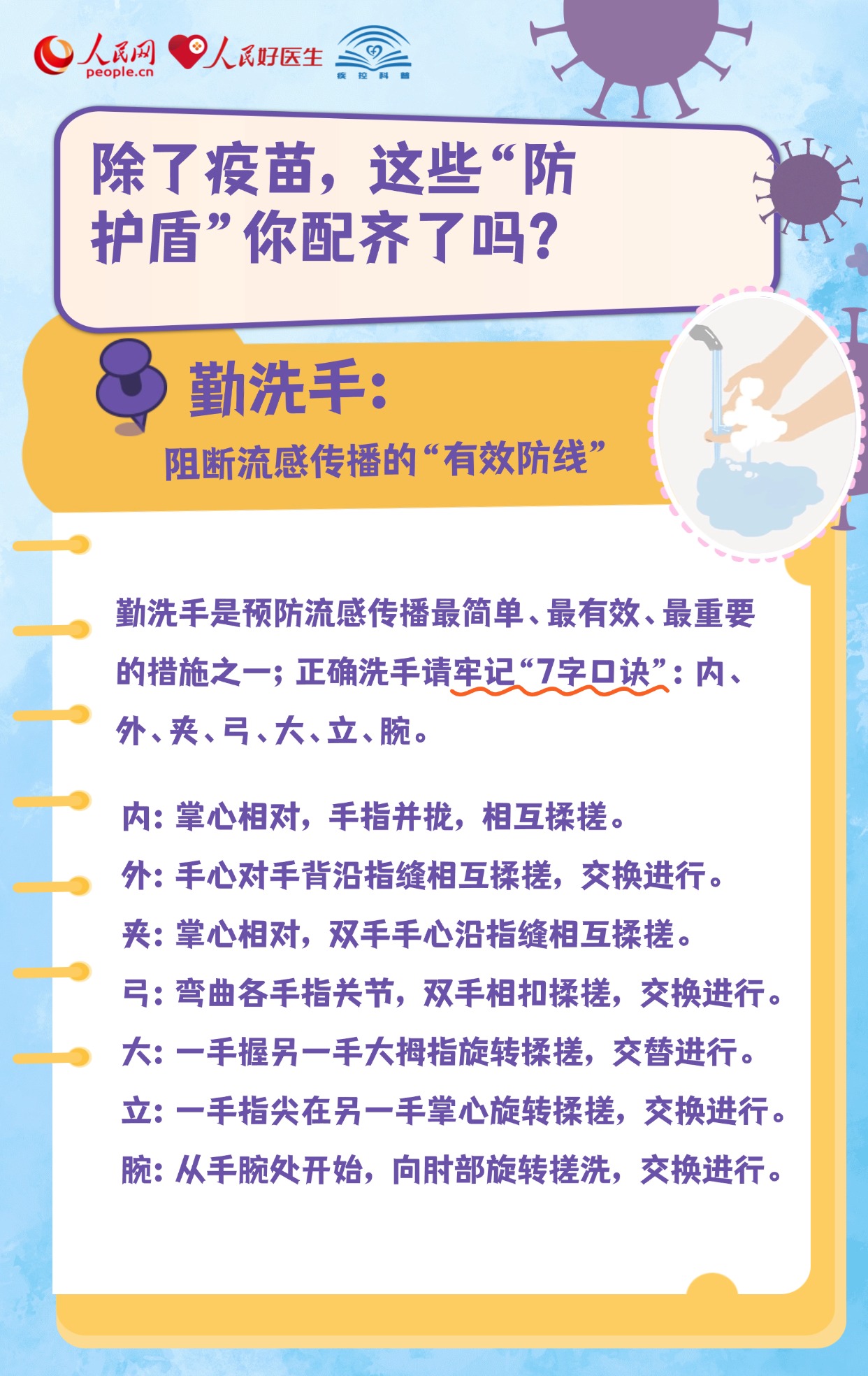
Core Viewpoint - The article emphasizes the importance of flu prevention measures beyond vaccination, highlighting personal daily protective actions as crucial during the flu season [1]. Group 1: Daily Protection Measures - Maintaining cleanliness and disinfection in the home environment is essential, especially if there are flu patients present. Recommendations include regular hand hygiene and proper ventilation [4][5][8]. - For households with flu patients, it is advised to wear masks, practice cough etiquette, and avoid sharing personal items to minimize transmission [5][7]. Group 2: Enhancing Immunity - Strengthening the immune system is vital for resisting viruses. Key lifestyle habits include maintaining a regular sleep schedule, balanced nutrition, and regular physical activity [10][11]. - Specific dietary recommendations include consuming vitamin C-rich fruits and vegetables, quality proteins, and engaging in moderate exercise [10][11]. Group 3: Natural Remedies - The article suggests natural remedies such as herbal teas and soups that may help in flu prevention and recovery, including ingredients like mulberry leaves, chrysanthemum, and pear [12][15][19].