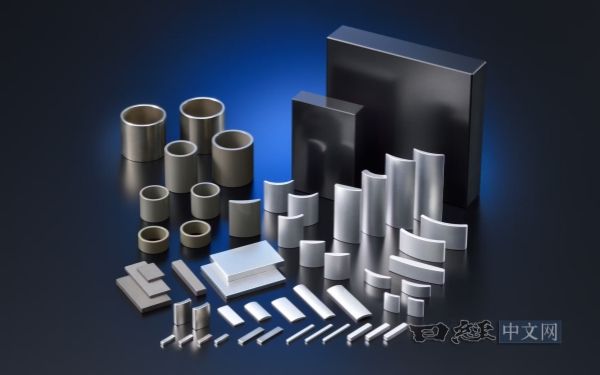
摆脱对华稀土依赖

Search documents
特朗普通告全球:180天内必须对中国扳回一局,盟友不帮忙就加税
Sou Hu Cai Jing· 2026-01-16 05:14
Core Viewpoint - The U.S. government, under President Trump, has issued a 180-day ultimatum for global suppliers to negotiate key mineral agreements to reduce dependence on Chinese rare earths, threatening tariffs for non-compliance [3][14]. Group 1: Policy and Strategic Implications - The announcement emphasizes the need for countries to diversify supply chains away from dominant and coercive sources, urging allies to enhance mineral processing capabilities and invest in non-Chinese facilities [5][21]. - The deadline set for mid-July is seen as a political move to rally support ahead of the midterm elections, focusing on the perception of U.S. strength in confronting China [14][39]. Group 2: Industrial Challenges - The U.S. industrial system is described as fragile, particularly in high-temperature applications where rare earth elements like yttrium are critical for materials used in jet engines [7][10]. - The complexity of modern weapon systems relies heavily on rare earth magnets, which maintain their properties across extreme temperatures, highlighting the potential consequences of supply chain disruptions [9][10]. Group 3: Historical Context and Lessons - Historical precedents, such as Germany's synthetic rubber development during WWII due to resource blockades, illustrate the challenges of being dependent on a limited number of natural resources [12]. - The U.S. faces a more complex situation with rare earths, as these elements cannot be synthesized like rubber, making the supply chain issue more critical [12][18]. Group 4: Feasibility of Rapid Development - The feasibility of establishing a new supply chain within six months is questioned, with comparisons made to the Manhattan Project, emphasizing the need for a comprehensive industrial ecosystem [18][19]. - Current U.S. companies, like MP Materials, lack the capability to process their mined materials domestically, indicating a significant gap in the supply chain [21]. Group 5: International Cooperation and Limitations - Countries like Malaysia and Australia are under pressure to rapidly develop processing capabilities, despite lacking the necessary industrial infrastructure and expertise [23][25]. - Japan's approach appears to be more cautious, complying with U.S. requests while maintaining existing import channels, reflecting the complexities of international cooperation in this sector [27]. Group 6: Technical and Environmental Barriers - The process of converting ore into usable industrial materials involves numerous precise steps, requiring decades of accumulated knowledge and infrastructure [30][32]. - Environmental regulations pose significant hurdles for restarting the U.S. rare earth processing industry, as past experiences show that high environmental costs can lead to operational shutdowns [32][34].

为降低中国依赖,日本研发无重稀土电机磁铁
Guan Cha Zhe Wang· 2025-07-25 03:41
Core Viewpoint - Proterial, formerly known as Hitachi Metals, has developed a new type of electric vehicle motor magnet that does not use heavy rare earth elements, specifically avoiding the use of neodymium [1][3]. Group 1: Product Development - Proterial has successfully trialed a magnet made primarily from iron oxide, which can meet the output power requirements for electric vehicles [3]. - The company does not plan to mass-produce the motors but intends to sell ferrite magnets to motor manufacturers [3]. Group 2: Market Context - The development comes in response to China's export restrictions on rare earth materials, which have pressured Japanese companies heavily reliant on these resources [4]. - In May, Suzuki had to halt production of its Swift model due to rare earth shortages, highlighting the supply risks faced by the automotive industry [4]. Group 3: Rare Earth Market Dynamics - As of the end of 2024, global rare earth reserves are estimated at approximately 90 million tons, a decrease of 20 million tons (18.18%) from 110 million tons at the end of 2023 [4]. - China holds 44 million tons of these reserves, accounting for 48.89% of the global total, and produces nearly 70% of the world's rare earth supply [4][6]. Group 4: International Cooperation - Japan is actively seeking to reduce its dependence on Chinese rare earths by exploring alternative materials and collaborating with the EU on rare earth mining agreements [6]. - Recent discussions between Japan and the EU have focused on enhancing supply chain resilience and reducing strategic dependencies on critical minerals [6].