收益能力

Search documents
丰田自我诊断:两大经营课题浮现,百年车企如何避免刻板化?
Zhong Guo Jing Ying Bao· 2026-02-13 07:47
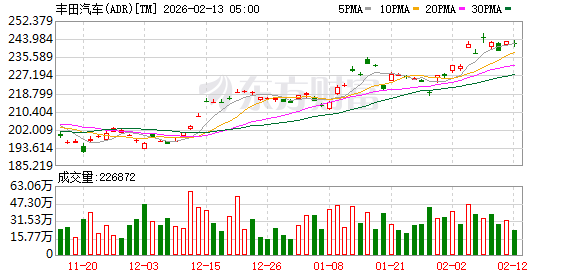
Core Viewpoint - Toyota aims for a global sales target of 11.3 million vehicles by 2025, marking a 4.6% increase year-on-year, while facing profitability challenges with a significant drop in net profit [2][4]. Sales Performance - Toyota's global sales for the period from April to December 2025 reached 7.302 million vehicles, a 4.3% increase year-on-year [4]. - The company reported an operating revenue of 38.09 trillion yen, up 6.8% year-on-year, but net profit fell to 3.03 trillion yen, down 26.1% [4]. Organizational Changes - To address profitability issues, Toyota announced a restructuring of its management team, with Kenta Kon set to replace Koji Sato as CEO starting April 1, 2026 [2][5]. - The restructuring aims to better tackle two main challenges: enhancing profitability and improving product connectivity [3][5]. Market Performance - In key markets, Toyota saw sales growth: a 7.3% increase in the U.S. and a 4.1% increase in Japan [3]. - In China, Toyota achieved a slight sales increase of 0.2%, marking its first growth in the market amid the shift towards electrification and smart technology [3]. Financial Strategy - The company plans to shift its focus from merely increasing production to improving financial quality and efficiency [4][5]. - Kenta Kon emphasized the importance of enhancing production efficiency and maintaining quality to meet customer demand while ensuring stable profitability [5]. Leadership Transition - The leadership change is seen as a necessary step for Toyota's future, with both Kenta Kon and Koji Sato discussing the need for a collaborative approach to improve operations and innovation [6][7]. - Sato highlighted the importance of avoiding reliance on past success formulas and fostering a culture of innovation within the company [7].


比特币VS山寨币:企业资产负债表上的千亿美金博弈
Zhi Tong Cai Jing· 2025-09-16 03:32
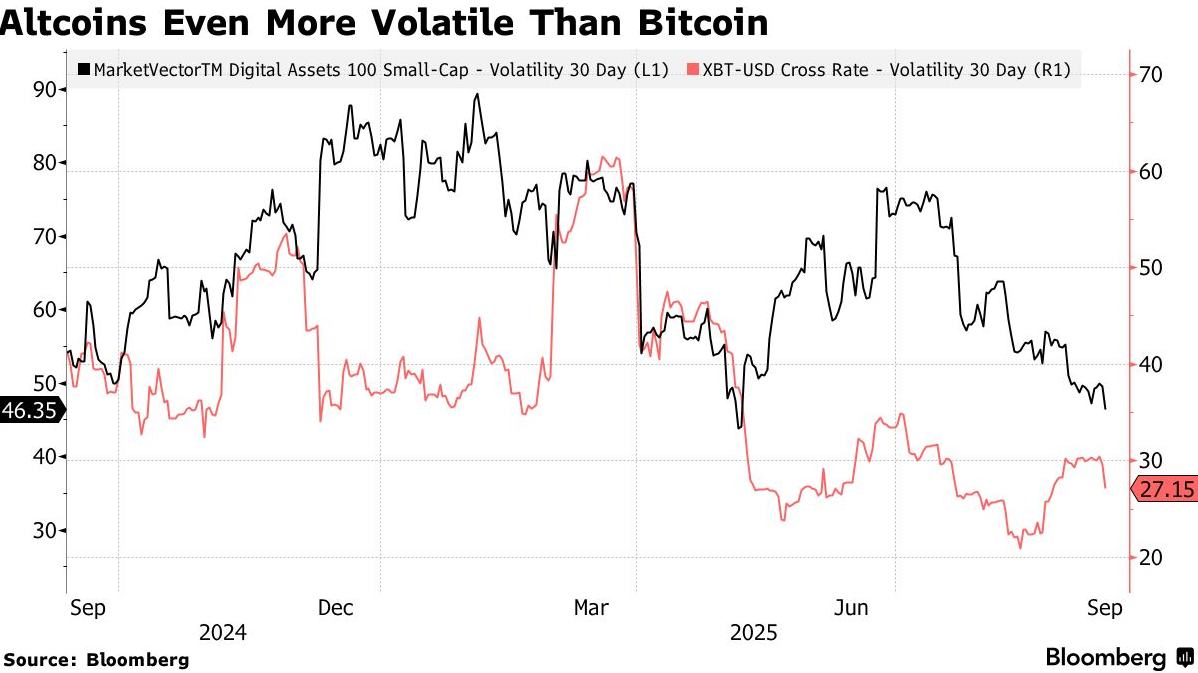
Core Viewpoint - The traditional conflict between Bitcoin purists and altcoin advocates has escalated to a high-risk battleground as companies increasingly allocate digital assets on their balance sheets, transforming the token classification debate into a capital game with real financial stakes [1] Group 1: Asset Allocation and Market Trends - Companies are integrating unprecedented amounts of digital assets into their balance sheets, leading to a capital competition between Bitcoin and altcoins [1] - Institutional investments are flowing into altcoins, with Pantera recently raising $500 million for Solana-related digital asset treasury company Helius, indicating a shift in market dynamics [1] - The market capitalization of Ethereum held by Digital Asset Financial Company (DAT) has surpassed $16 billion, showcasing significant institutional interest in altcoins [5] Group 2: Investment Strategies and Perspectives - Bitcoin is viewed as a stable asset, while altcoins are seen as having growth potential, suggesting a blended investment strategy may be prudent [1] - The debate centers around supply limitations and volatility, with Bitcoin's fixed supply being a cornerstone of its "digital gold" status, while altcoins like Ethereum and Solana lack such restrictions [2] - Altcoins can generate returns through staking and lending strategies, which are less applicable to Bitcoin, highlighting a key differentiation in investment potential [5] Group 3: Market Volatility and Risks - Both asset classes are under pressure from market volatility, with significant price corrections observed in companies associated with Bitcoin and altcoins [6] - The upcoming bear market raises questions about the resilience of altcoins, with warnings from Bitcoin proponents about the potential for many altcoins to become worthless [6] - The current market phase has been termed "DAT summer," emphasizing the unique risk and return profiles of each digital asset [6]