收缩城市

Search documents
万亿城市在扩容,收缩城市也在扩容
Sou Hu Cai Jing· 2026-01-09 02:36
Core Viewpoint - The concept of the "trillion-yuan club" is gaining attention as cities like Wenzhou are expected to surpass the 1 trillion yuan GDP mark, with others like Xuzhou and Dalian likely to follow soon [3] Group 1: Economic Growth and the "Trillion-Yuan Club" - The "trillion-yuan club" was first established around 2012 when Shenzhen's GDP reached 1.1 trillion yuan, becoming the fourth city to cross this threshold after Beijing, Shanghai, and Guangzhou [3] - The expansion of the "trillion-yuan club" reflects the continuous growth of China's overall economy and indicates significant changes in regional economic structures [5] - As of now, nearly 30 cities are part of this club, with discussions emerging about "three trillion" and "five trillion" cities [5] Group 2: Changing Dynamics of Economic Growth - The growth associated with "trillion-yuan cities" has evolved, especially as China's GDP growth rate has slowed from 9.2% in 2011 to an expected 5% in 2024, leading to more cities experiencing negative growth or growth significantly below the national average [5][6] - Many cities with shrinking populations still see GDP growth, which is linked to a long-standing "growthism" approach by local governments that prioritize economic expansion over public service optimization [6] - The notion of "shrinking cities" is often avoided by local governments, despite the reality that some cities are experiencing population decline while still increasing their GDP [6]

对“万亿俱乐部”祛魅
Jing Ji Guan Cha Bao· 2026-01-08 10:31
Core Viewpoint - The concept of "trillion-dollar club" cities reflects the ongoing evolution of China's economic landscape, with cities like Wenzhou expected to join this club, while the implications of such growth are increasingly complex and nuanced [3][5]. Group 1: Economic Growth and "Trillion-Dollar Club" - Wenzhou is projected to surpass a GDP of 1 trillion yuan, joining the "trillion-dollar club," with other cities like Xuzhou and Dalian likely to follow soon [3]. - The "trillion-dollar club" was first established around 2012, with Shenzhen being the fourth city to cross the 1 trillion yuan threshold, highlighting the uneven economic development across China [3]. - The term has become a competitive goal for local governments, often appearing in planning documents and government reports, despite the lack of substantial policy implications [4]. Group 2: Changing Economic Dynamics - The expansion of the "trillion-dollar club" now includes nearly 30 cities, reflecting China's overall economic growth, but the meaning of being a "trillion-dollar city" has evolved as the country transitions away from high-speed growth [5]. - In 2011, China's GDP growth rate was 9.2%, with most cities experiencing growth; by 2024, the growth rate is expected to drop to 5%, with more cities facing negative growth or significantly lower growth than the national average [5]. - The phenomenon of urban polarization is evident, where cities that have crossed the "trillion" threshold may be benefiting from the economic decline of surrounding areas, leading to a dual expansion of "trillion-dollar cities" and "shrinking cities" [5][6]. Group 3: Growth vs. Quality of Life - Many cities experiencing population decline still see GDP growth, a paradox linked to local governments' adherence to a "growthism" model, focusing on economic expansion rather than optimizing public services [6]. - The entrenched belief in prioritizing GDP growth over other metrics has led to a situation where cities continue to expand infrastructure despite population loss [6]. - Embracing the concept of "shrinking cities" and moving away from the obsession with "trillion" status could lead to more sustainable and livable urban environments, focusing on quality rather than sheer economic size [6].
对“万亿俱乐部”祛魅
经济观察报· 2026-01-08 10:29
Core Viewpoint - The article emphasizes the need for cities to acknowledge economic "contraction" and move away from the obsession with achieving a GDP of over 1 trillion yuan, suggesting that this shift is a natural progression towards creating more livable and beautiful urban environments [1][7]. Group 1: Economic Growth and the "Trillion Club" - The "Trillion Club" concept emerged around 2012, with Shenzhen being the fourth city to surpass the 1 trillion yuan GDP mark, setting a benchmark for understanding China's uneven economic development [3]. - The expansion of the "Trillion Club" reflects the continuous growth of China's overall economic output and indicates significant changes in regional economic structures [5]. - As of now, nearly 30 cities are part of the "Trillion Club," with new members like Wenzhou expected to join soon, highlighting the competitive nature of achieving this economic milestone [3][5]. Group 2: Changing Economic Context - The GDP growth rate in China has decreased from 9.2% in 2011 to an expected 5% in 2024, with an increasing number of cities experiencing negative growth or growth significantly below the national average [5]. - The phenomenon of urban polarization is evident, where larger cities attract economic resources, while some cities that have crossed the "trillion" threshold may be growing at the expense of surrounding areas [6]. Group 3: Growth vs. Quality of Life - Many cities are still focused on growth despite experiencing population decline, leading to a paradox where GDP may increase even as the population shrinks [6]. - The article argues for a shift from growth-oriented policies to a focus on quality of life, suggesting that cities should embrace the idea of "contraction" to create more sustainable and attractive living environments [7].
人口减少产业凋落,中美振兴“收缩城市”的探索有何差异
Di Yi Cai Jing· 2025-12-19 01:46
Core Insights - The article discusses the phenomenon of "shrinking cities" in the U.S., emphasizing the need to recognize the current situation and respect the needs of remaining residents while planning for future urban development [1][3][6]. Group 1: Urban Development and Challenges - The book "Cracked Cities" by Alan Mallach highlights the duality of urban experiences in the U.S., where vibrant cities coexist with stagnant ones, leading to significant social polarization [3][6]. - Mallach notes that while some old industrial cities are experiencing revitalization, many others are becoming poorer and more desolate, exacerbating issues of social inequality and increasing rent burdens [6][8]. - The lack of diversified economic development in resource-dependent cities can lead to cyclical patterns of reliance on single industries, making them vulnerable to economic fluctuations [7]. Group 2: Policy Recommendations and Community Engagement - Mallach advocates for reforms in public policy and the establishment of resilience mechanisms to provide development opportunities for residents in shrinking cities [3][6]. - The article emphasizes the importance of addressing the basic living conditions of residents who remain in these cities, suggesting that opportunities should be created for those who wish to relocate to more promising areas [11][12]. - High Shuqi, a translator and researcher, suggests innovative approaches such as transforming vacant properties into community parks and gardens, promoting a blend of urban and natural environments [12].
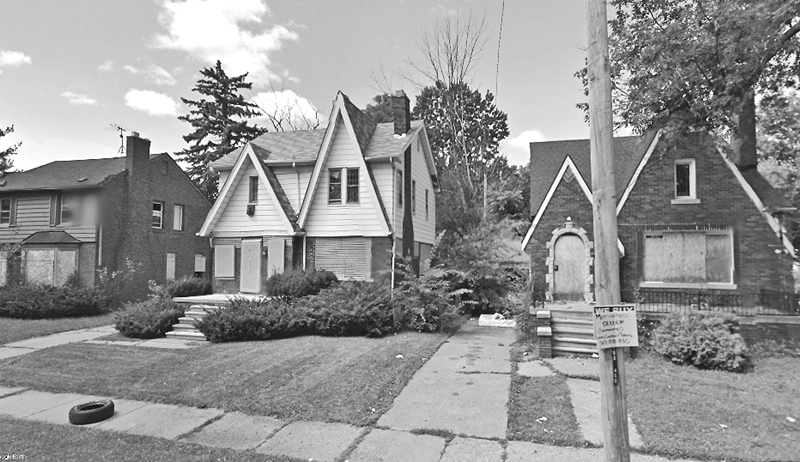
中国收缩城市究竟有多少?
Hu Xiu· 2025-09-22 03:04
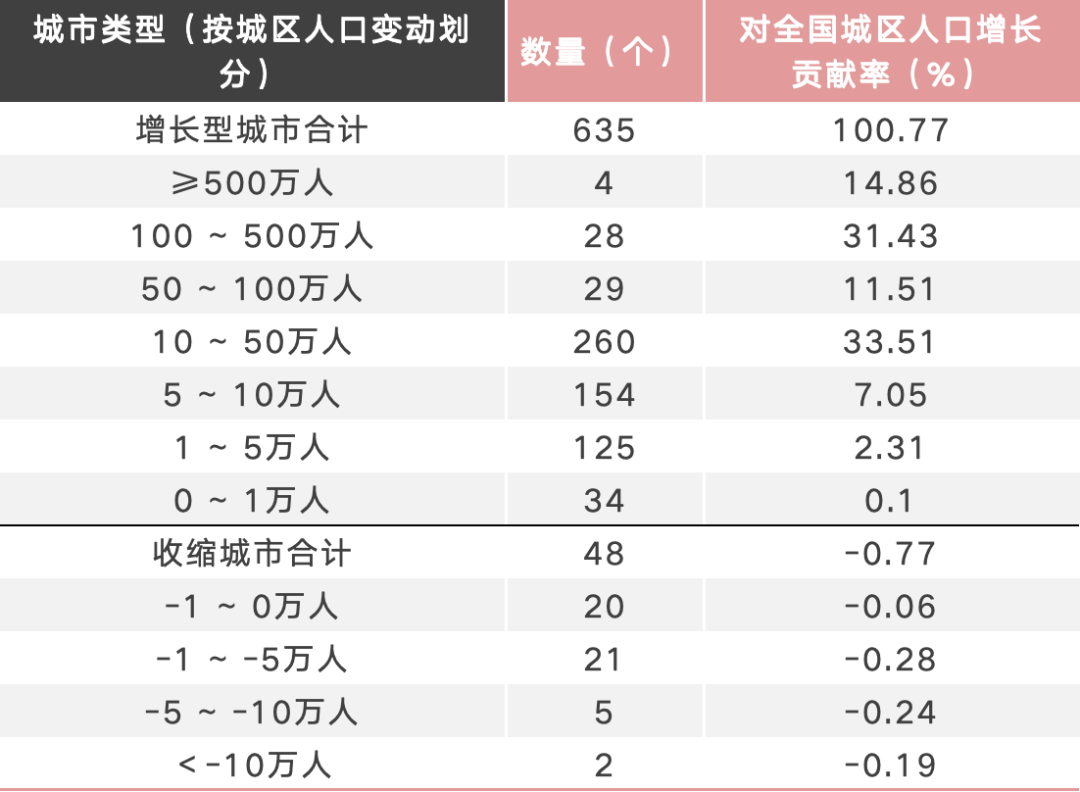
Core Viewpoint - The recent identification of 138 shrinking cities in China is considered exaggerated due to misinterpretation of urban spatial definitions, primarily based on administrative boundaries rather than actual urban areas [1][4]. Group 1: Misunderstanding of "City" - There are two basic understandings of urban spatial boundaries: administrative regions and actual built-up areas [2]. - Administrative regions include rural and ecological spaces, making population statistics incomparable [3]. - The shrinking city classification based on total population changes within administrative boundaries often reflects rural population declines rather than urban [4]. Group 2: Identification of Shrinking Cities - A study published in "Geographical Research" identified only 48 shrinking cities from 693 analyzed between 2010 and 2020, contrasting with the 138 previously reported [8]. - The majority of shrinking cities experienced a population decline of less than 50,000, indicating that the scale of decline is relatively small compared to growing cities [9]. Group 3: Population Change Statistics - From 2010 to 2020, urban populations in China grew from 670 million to 900 million, with an urbanization rate increase from 49.68% to 63.89% [13]. - The shrinking cities accounted for a minor population decline of -0.77% in contrast to the overall growth of urban areas [10]. Group 4: Reasons for Shrinking Cities - The primary reasons for the emergence of shrinking cities include economic transformation challenges, demographic shifts such as aging populations and low birth rates, and specific urban development policies [15]. - The classification of shrinking cities should not be overstated, as only a few cities are experiencing population declines, and broader factors such as economic and social dimensions should also be considered [14].