收藏投资

Search documents
中国龙银币:全年53个品种,是投资香饽饽还是智商税?
Sou Hu Cai Jing· 2026-02-25 23:53
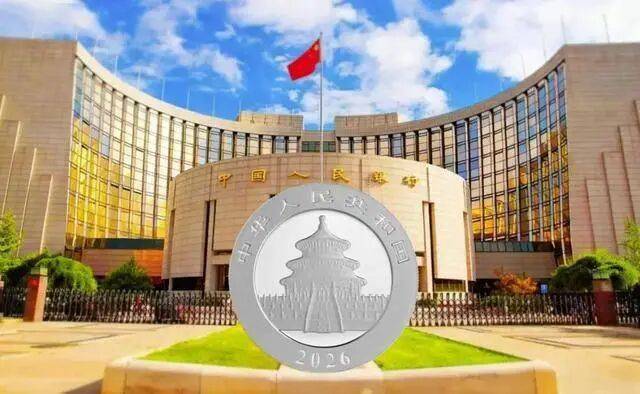
Core Viewpoint - The market for Chinese Long Silver Coins is experiencing significant hype, with mixed opinions on whether it represents a genuine investment opportunity or a potential trap for investors [1][3]. Group 1: Market Dynamics - The precious metals market is currently thriving, with international silver prices soaring, projected to increase by nearly 150% throughout 2025, and expected to exceed $110 per ounce by early 2026 [3]. - The Chinese Long Silver Coin, issued by the central bank, has gained popularity due to its association with the "Dragon" motif, which resonates well with Chinese culture, contributing to its price surge [3][6]. Group 2: Product Variety and Risks - The release of 53 different varieties of the coin in a single year raises concerns about the quality and value of many of these products, suggesting that most may not be worth the investment and could lead to financial losses for buyers [4][10]. - The majority of commemorative coins in the precious metals market tend to end up being sold at a loss, with only a few exceptions managing to outpace inflation [4]. Group 3: Sales Strategy and Market Impact - The issuance strategy focuses on overseas sales, with limited domestic availability, creating a sense of scarcity that fuels speculation. For instance, the 2025 and 2026 versions have a global issuance of 2 million coins, with only 800,000 allocated for the mainland [6]. - The 2025 version has previously created significant wealth for some investors, with initial prices of 460 yuan doubling for standard versions and reaching up to 200,000 yuan for special editions, which has heightened speculative interest [6][8]. Group 4: Investment vs. Collecting - There is a critical distinction between collecting and investing; while the Long Silver Coin may hold collectible value, it does not necessarily equate to investment value. Collectors may appreciate the cultural significance, while investors should focus on liquidity, scarcity, and premium rates [10]. - Many new investors mistakenly treat these coins as financial instruments for quick profits, often leading to poor investment decisions and financial losses [10].

五年疯狂套现近百亿,大刘真的陷入危机了么?
凤凰网财经· 2026-01-07 14:14
Core Viewpoint - The article discusses the recent public appearance of Hong Kong tycoon Liu Luanxiong and highlights his ongoing liquidation of assets, particularly in the art and luxury goods markets, as a response to financial pressures stemming from the Evergrande crisis and a declining real estate market in Hong Kong [4][16][26]. Group 1: Recent Public Appearance - Liu Luanxiong and his wife, Gan Bi, attended the Hong Kong Legislative Council election, marking a rare public appearance [4][8]. - Liu appeared physically frail, using a wheelchair and requiring assistance, indicating a decline in health [11][15]. - Gan Bi spoke on behalf of Liu, expressing condolences to fire victims and encouraging voter participation [13]. Group 2: Asset Liquidation - Liu has been actively selling various assets since 2021, including properties, luxury items, and art, to generate cash flow [24][25]. - The liquidation includes significant sales of high-value art pieces, with Liu reportedly cashing out over 10 billion HKD in 2020 alone [33][65]. - Liu's art sales have included notable works by famous artists, achieving substantial returns on investment, such as a painting sold for 230 million HKD that he purchased for 29 million HKD [42][45]. Group 3: Impact of Evergrande Crisis - The financial troubles of Evergrande have had a direct impact on Liu's business, with reported losses exceeding 10 billion HKD for his company, Huaren Properties [26][36]. - The downturn in the Hong Kong real estate market has increased pressure on Liu's cash flow, prompting further asset sales [30][36]. Group 4: Collecting Philosophy - Liu's collecting philosophy emphasizes value appreciation, with a focus on acquiring items that are not only aesthetically pleasing but also have significant investment potential [186][226]. - His collection spans various categories, including art, antiques, and luxury goods, reflecting a diverse investment strategy [201][226]. - Liu's approach to collecting is influenced by his early experiences and advice from mentors, leading him to prioritize items that can appreciate over time [188][190]. Group 5: Future Plans - Liu is expected to continue liquidating his collection and properties, including high-end real estate in London, as part of a broader strategy to maintain liquidity [150][152]. - The ongoing sales of his luxury items, including Hermes bags, are also part of this strategy, with significant auction results anticipated [106][107].


105捆2元人民币竞价已达42万元,我们竞价的,何止是人民币?
Sou Hu Cai Jing· 2026-01-05 13:52
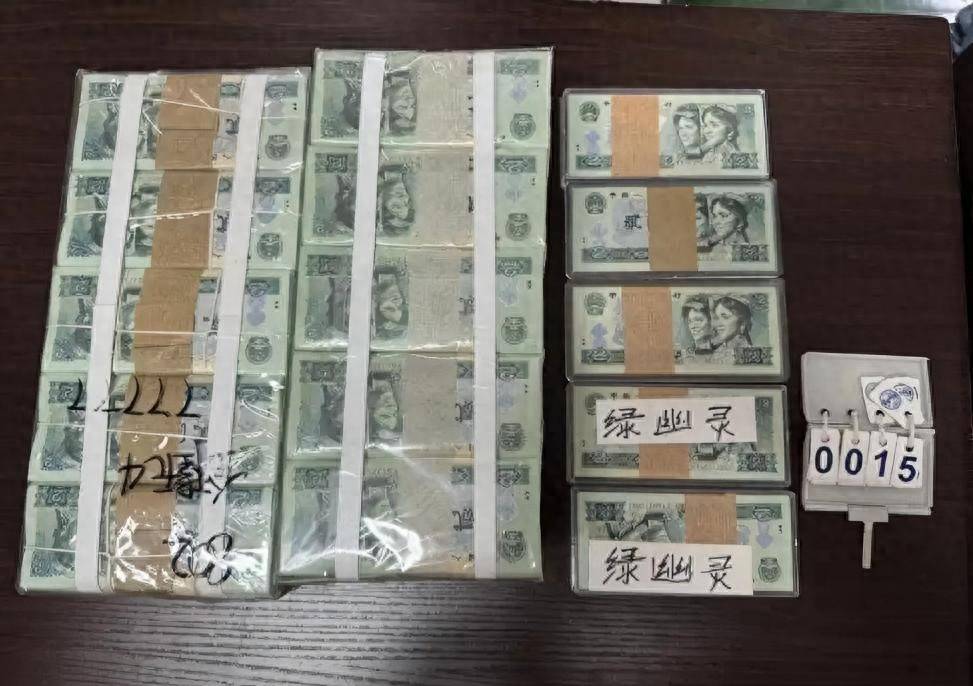
Core Viewpoint - The auction of 10,500 two-yuan banknotes has reached a bidding price of 420,000 yuan, reflecting a significant increase from the initial starting price of 207,600 yuan, highlighting the growing interest in collectible currency and nostalgia for the past [1]. Group 1: Auction Details - The auction began with a starting price of 207,600 yuan and has since doubled due to competitive bidding [1]. - The banknotes are categorized into different versions, including the 1990 and 1980 editions, with some labeled as "Green Ghost," indicating their collectible nature [1]. Group 2: Public Sentiment - Online comments reveal a nostalgic sentiment towards the two-yuan banknotes, with users reminiscing about their childhood experiences and the purchasing power of the currency in the past [3][4]. - The two-yuan banknote, once a common currency, has become a symbol of a bygone era, evoking memories of simpler times and tangible economic interactions [5][7]. Group 3: Cultural and Economic Implications - The auction reflects a broader trend of valuing scarce items in an era of digital currency, where the emotional and historical significance of physical money is being recognized [7]. - The bidding process serves as a mirror to society's complex relationship with the past and the current economic landscape, where nostalgia and the desire for tangible assets drive demand [7].
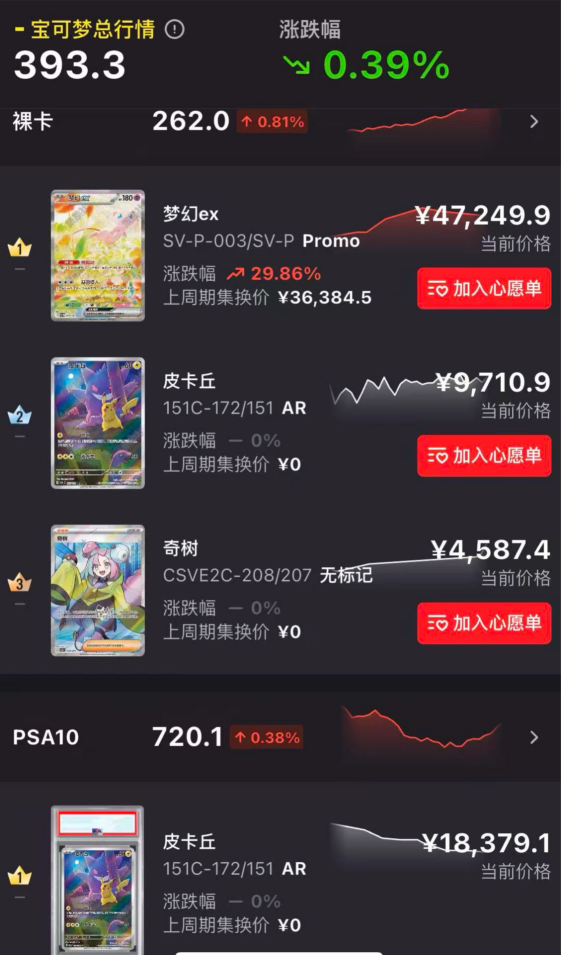
一张卡牌炒至数万元,合作企业股价飙升160%,北京宝可梦道馆排队数小时:理财还是热爱?
Mei Ri Jing Ji Xin Wen· 2025-09-13 08:53
Core Insights - The opening of the first official Pokémon trading card venue in Beijing has attracted significant consumer interest, with long queues observed even days after the launch [1][2] - The popularity of trading cards is expanding beyond traditional demographics, appealing to a wider audience including families and couples [1][2] - The capital market is responding positively to the trading card trend, with companies like Kai Zhi Le International seeing stock price surges following partnerships with Pokémon [2][5] Market Dynamics - The trading card market in China is projected to reach approximately 26.3 billion yuan in 2024, with a compound annual growth rate of 56.6% from 2019 to 2024 [7] - The market is currently dominated by game and cultural IPs, with significant growth potential due to low per capita spending compared to markets like the US and Japan [7][8] - The trading card industry is heavily reliant on IP, which can lead to volatility in company valuations based on the lifecycle and popularity of specific IPs [5][6] Consumer Behavior - Consumers are increasingly willing to spend large amounts on trading cards, with limited edition cards and exclusive events driving demand [3][4] - The Pokémon brand has a strong fan base and brand influence, which translates into consumer purchasing behavior and willingness to pay premium prices [2][3] - The current consumer demographic is primarily young adults and teenagers, with a focus on both entertainment and investment aspects of trading cards [12] Investment Trends - The trading card market is beginning to show signs of becoming a financial asset class, with trends in secondary markets indicating significant appreciation in card values [8][9] - The establishment of authoritative rating agencies and standardized auction platforms could accelerate the financialization of the domestic trading card market [12] - The potential for trading cards to serve as investment collectibles is growing, with notable sales in the secondary market reflecting high demand for rare cards [8][9]