放射性配体疗法(RLT)

Search documents
JPM 2026:AI破局,肥胖引爆,巨头血战新王座
Xin Lang Cai Jing· 2026-01-15 14:15
Core Insights - 2026 is identified as a pivotal year for transformation and output in the global biopharmaceutical industry, with major companies revealing strategic developments at the JMP conference [1] - The industry is experiencing extreme differentiation, with ADC and GLP-1 seen as key growth engines for the next five years, while mRNA, siRNA, and RLT are transitioning from concepts to clinical norms [1][9] - The BD strategies are becoming more precise, with 2025's small-scale acquisitions starting to yield results, and the logic behind mergers and acquisitions in 2026 expected to diversify [1] Hot Track Dynamics: Dual Drivers of Technology Iteration and Indication Expansion - ADC remains a leading player in the oncology sector, with Merck advancing multiple ADC assets through collaboration with Daiichi Sankyo [12] - BeiGene views ADC as a core technology and is actively promoting drug accessibility globally [12] - Eli Lilly has completed several ADC-related transactions to enhance its capabilities in cancer treatment [12] Weight Management Market Transition - The weight management market is shifting from simple weight loss to comprehensive management of metabolic syndrome, with Eli Lilly focusing on AI-driven drug discovery and direct patient engagement [14] - Roche's acquisition of Carmot Therapeutics enhances its pipeline with new metabolic therapies [14] - Sanofi is expanding the indications for its core asset Dupixent and advancing its autoimmune pipeline [14] Key Corporate Strategic Planning: Core Track Deepening and Platform Layout - Eli Lilly's strategy focuses on obesity and AI-driven drug development, with a projected investment of up to $1 billion in collaboration with NVIDIA [15] - Pfizer aims to maximize core transaction value and apply AI across its business chain, targeting a $150 billion market in obesity by 2030 [15] - Amgen is accelerating the integration of biotechnology and AI, with a focus on rare diseases and partnerships in China [16] BD Trends: Core Logic of Track Reinforcement and Ecological Synergy - The pharmaceutical industry is seeing a concentration of mergers and acquisitions in ADC and bispecific antibodies, with major companies acquiring key assets and technology platforms [17] - Big Pharma is shifting from scale expansion to pipeline restructuring to avoid revenue cliffs due to upcoming patent expirations [18] - The focus is on mid-stage assets with immediate Phase 3 potential, which are expected to have a premium advantage over early-stage assets [18] Industry Outlook - The biopharmaceutical industry is entering an "innovation harvest period" from 2026 to 2030, with GLP-1 drugs evolving into comprehensive metabolic management platforms [19] - The market for GLP-1 receptor agonists in China is projected to reach approximately 38.3 billion yuan by 2030 [19] - The commercialization of cutting-edge therapies is approaching a "singularity," with advancements in cell and gene therapies and RNA therapies expected to overcome production and reimbursement challenges [19][20]


管线覆盖ADC和RLT,这家创新药企总融资近6亿美元
3 6 Ke· 2025-06-22 01:59
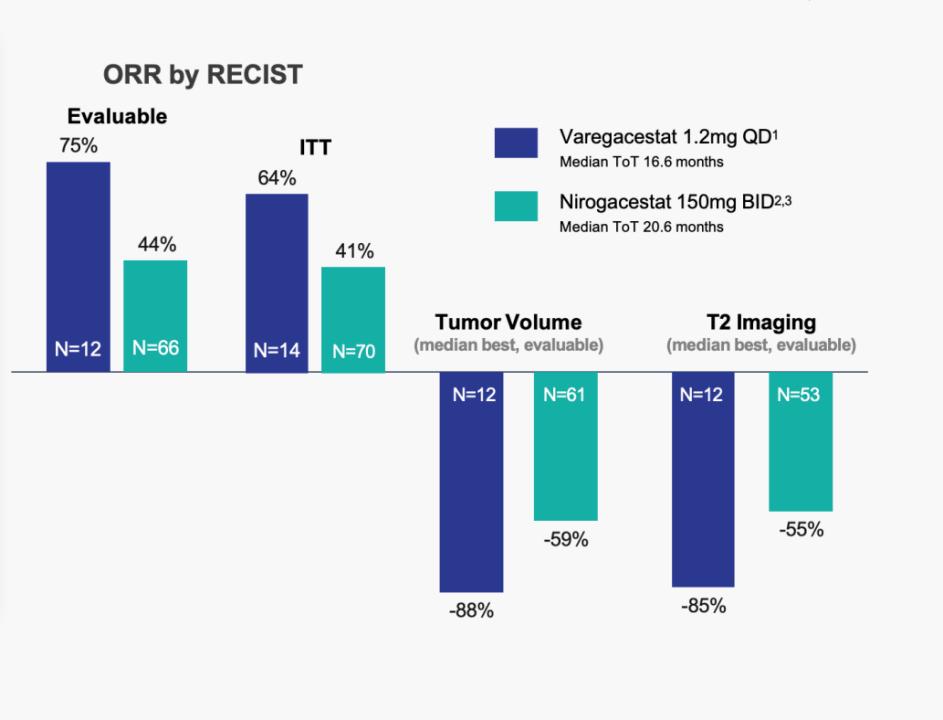
Core Insights - Immunome completed a $150 million financing round in January 2025, aimed at advancing its core pipeline into clinical translation [1] - The company announced the first patient dosing in the Phase I clinical trial of its ROR1-targeting ADC (antibody-drug conjugate) IM-1021 in March 2025 [1] - Immunome's core product pipeline, Varegacestat (AL102), has completed patient enrollment in the Phase III RINGSIDE trial, with topline data expected in the second half of 2025 [1] Company Overview - Immunome has raised a total of $598.9 million over 21 funding rounds since its establishment 17 years ago, indicating strong investor confidence [1][21] - The company specializes in targeted oncology and leverages rapid antibody screening and precise delivery technologies to address the limitations of traditional cancer treatments [1][2] Technology and Innovation - Immunome's competitive edge lies in its Memory B cell technology and Targeted Effector platform, which enhance antibody affinity and specificity while minimizing off-target damage [3][4] - The Memory B cell platform utilizes patient-derived memory B cells to discover antibodies that are naturally equipped to target tumor-specific antigens, particularly useful for resistant tumors [5] - The Targeted Effector platform allows for modular design to optimize drug delivery and efficacy, significantly improving the therapeutic index compared to traditional methods [6][7] Product Pipeline - Immunome's pipeline includes three clinical-stage products: Varegacestat (AL102), IM-1021 (ROR1 ADC), and IM-3050 (RLT) [8] - Varegacestat is an oral γ-secretase inhibitor targeting rare sarcomas, showing a 64% objective response rate in Phase II trials [9] - IM-1021 is designed to overcome resistance in solid tumors, utilizing a high drug-to-antibody ratio (DAR8) to enhance efficacy [11] - IM-3050 targets FAP-positive cancer-associated fibroblasts, demonstrating significant potential in overcoming the tumor microenvironment barriers [16][17] Financial Performance - In 2024, Immunome reported revenues of $9.04 million, reflecting a 35.5% year-over-year decline, although losses have narrowed compared to 2023 [23] - The financing structure is heavily weighted towards post-IPO funding, which poses dilution risks for existing shareholders [22]