
政府部门杠杆率

Search documents
去年宏观杠杆率被动升破300%,居民去杠杆幅度逐季加大
第一财经· 2026-01-28 02:51
Core Viewpoint - The macro leverage ratio in China has reached 302.4% in Q4 2025, driven by a passive increase due to declining nominal GDP growth, with household and corporate debt growth remaining low [3][4][11]. Economic Overview - The macro leverage ratio increased by 0.1 percentage points in Q4 2025, marking a total annual rise of 11.8 percentage points, with nominal GDP growth slowing to 4.0%, the lowest since the reform and opening up period [4][11]. - The actual GDP growth for 2025 was 5.0%, indicating that the increase in leverage was primarily due to the decline in nominal GDP rather than rapid credit expansion [4][11]. Sector Analysis - Household leverage decreased by 2.0 percentage points, while non-financial corporate leverage rose by 6.2 percentage points, and government leverage increased by 7.6 percentage points [5][10]. - The household debt growth rate was only 0.5%, the lowest on record, with mortgage growth at -1.5%, continuing a trend of negative growth for 11 consecutive quarters [7][9]. Consumer Behavior - High real mortgage rates have led to increased early repayments, contributing to a reduction in mortgage balances [8][9]. - Consumer loan growth dropped to 0.2%, the lowest ever, due to stagnant income growth, with median disposable income growth at 4.5%, also a historical low [9][12]. Government Policy Recommendations - The report suggests accelerating income growth plans for urban and rural residents and stabilizing state-owned enterprise leverage while supporting private enterprises to increase leverage [12][13]. - It emphasizes the need for government investment in human capital and social welfare sectors to stimulate consumption and improve the macro leverage ratio [12][13].

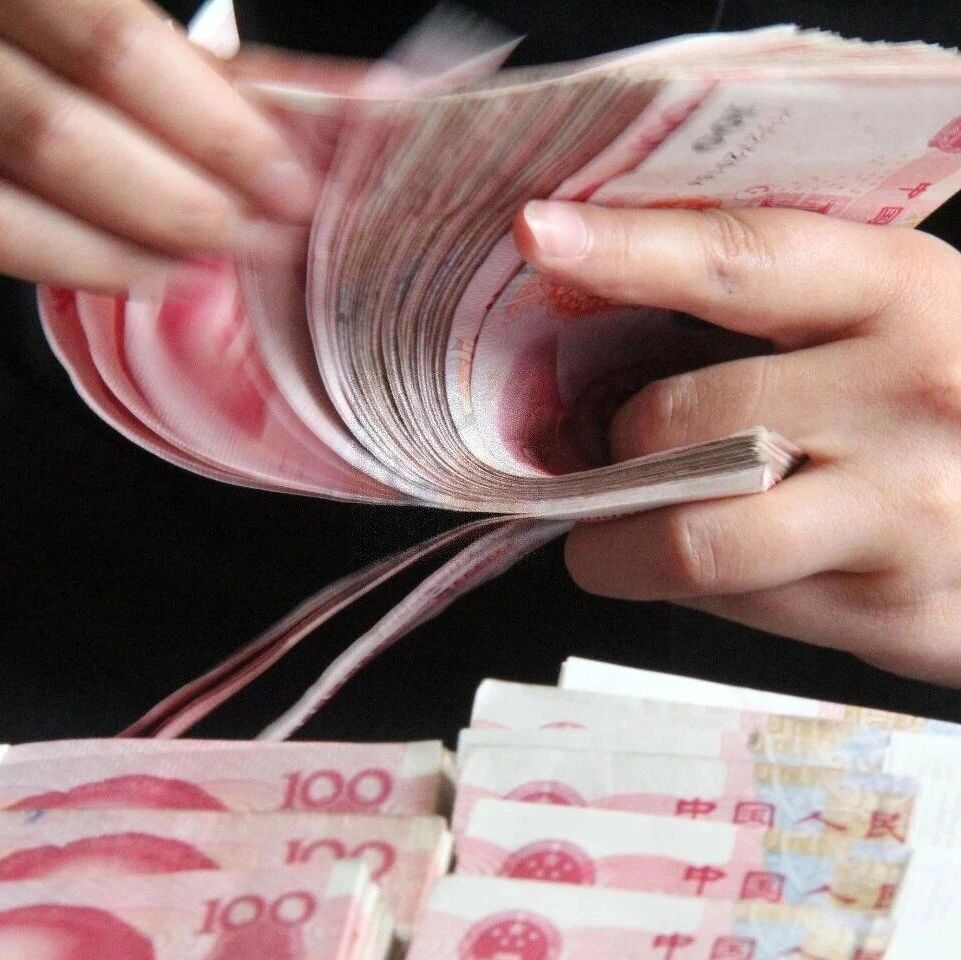
央行发布最新金融数据!社融增量30.9万亿
Sou Hu Cai Jing· 2025-11-13 11:48
Core Insights - The People's Bank of China reported that the total social financing (TSF) increased by 30.9 trillion yuan in the first ten months of 2025, which is 3.83 trillion yuan more than the same period last year [1] - The structure of TSF is changing, with non-loan financing methods now accounting for over half of the total financing increment [2][3] - Government bond net financing reached 11.95 trillion yuan, making up nearly 40% of the TSF increment, indicating a significant role of fiscal policy in driving economic growth [2] Group 1: Monetary Policy and Financing - The year-to-date growth rate of broad money (M2) is 8.2%, while the year-on-year growth rate of narrow money (M1) is 6.2%, reflecting a slight decline in both metrics [1] - The current monetary policy stance is supportive, aimed at promoting reasonable price recovery, with a focus on maintaining strong support for the real economy [5][6] - The weighted average interest rate for new corporate loans is 3.1%, which is approximately 40 basis points lower than the same period last year [4] Group 2: Loan Structure and Economic Support - In the first ten months, RMB loans increased by 14.97 trillion yuan, with a growth rate of 6.5% as of the end of October [4] - Loans related to new economic drivers, such as technology and green financing, have maintained a rapid growth rate, indicating a shift towards high-quality economic development [4] - The leverage ratio of government departments increased by 2.2 percentage points in Q3 2025, highlighting the ongoing fiscal support for major projects and national strategies [2]