政治干预货币政策

Search documents
8年前的任命,特朗普公开认错说大错误,白宫和美联储这场权力游戏,5月15日见分晓
Sou Hu Cai Jing· 2026-02-11 16:32
Core Viewpoint - The article discusses the escalating conflict between the White House and the Federal Reserve, particularly focusing on former President Trump's admission that nominating Jerome Powell as Fed Chair was his biggest mistake, indicating a desire for a more compliant central bank leader [1][9]. Group 1: Trump’s Criticism of Powell - Trump has publicly criticized Powell multiple times for the Fed's monetary policy and has even threatened to remove him from his position, which is unusual in U.S. political history [2]. - The Federal Reserve is designed to operate independently to avoid political interference, but Trump seeks a chair who aligns with his economic policies and is willing to lower interest rates when needed [2]. Group 2: Powell's Independence - Powell's term as Fed Chair is set to end on May 15, 2026, and he has maintained his independence by making decisions based on economic data rather than political pressure [2][5]. - In a recent press conference, Powell advised his successor not to get involved in electoral politics, reinforcing the importance of the Fed's independence [5]. Group 3: Potential Successor Kevin Walsh - Trump has expressed confidence in Kevin Walsh as a potential successor to Powell, citing his experience during the 2008 financial crisis [6]. - However, the confirmation process requires Senate approval, and the Senate's stance on the Fed's independence may not align with Trump's preferences [6]. Group 4: Implications for Monetary Policy - The ongoing power struggle between the White House and the Fed could undermine the stability and predictability of U.S. monetary policy, which is crucial for global investors [6][9]. - If political factors begin to dominate monetary policy, it could lead to increased market uncertainty and higher risk premiums, ultimately affecting global economic stability [7]. Group 5: Future Outlook - Trump's public acknowledgment of his mistake and his early nomination of a successor signal a desire for the Fed to act as a facilitator of White House economic policy rather than an independent entity [9]. - The outcome of this power struggle will become clearer after Powell's term ends, with potential long-term consequences for the credibility of the Federal Reserve [9].

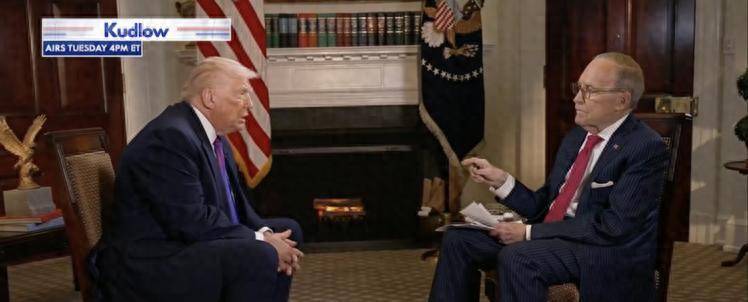
都被骗了?特朗普演讲1小时,邀中方赴美投钱,中国大幅清理美债
Sou Hu Cai Jing· 2026-01-17 03:04
Group 1 - The core issue in US-China relations is the inconsistency of Trump's policies, which creates uncertainty and potential long-term harm to both countries [1] - Trump's recent public statement welcoming Chinese companies to invest in the US appears to be a superficial gesture, raising questions about its sincerity and true intent [3][5] - Despite Trump's rhetoric promoting cooperation, the US has not lifted high tariffs on imported cars and parts, which remain significant barriers for Chinese companies entering the US market [5][6] Group 2 - The automotive industry in the US is facing challenges not due to a lack of funding, but rather due to unclear strategic direction and frequent policy changes [11] - The current business environment in the US is unfriendly for Chinese companies, with strict scrutiny and technological barriers in place [8][9] - China's strategic reduction of US Treasury holdings to the lowest level since 2008 reflects a systematic approach to risk management and a shift towards diversifying foreign reserves [13][15] Group 3 - The political dynamics in the US, including Trump's speeches aimed at appeasing voters in key states like Michigan, highlight the intersection of politics and economic policy [9][18] - The ongoing political turmoil within the US government, particularly regarding the Federal Reserve's independence, has implications for global financial stability [17][20] - China's financial decisions are driven by its own interests and the evolving global economic landscape, rather than reactive responses to US political rhetoric [18]
公开撕裂,美联储将“换帅”,特朗普发现不妙,中国大幅抛售美债
Sou Hu Cai Jing· 2026-01-16 08:17
Group 1 - The upcoming leadership change at the Federal Reserve is facing unprecedented challenges, particularly due to Trump's aggressive stance against Chairman Powell amid a significant reduction in China's holdings of U.S. Treasury bonds [1][5] - Trump's attacks on Powell have escalated from verbal criticism to judicial pressure, with Trump labeling Powell as either incompetent or corrupt, indicating a desire for Powell's resignation [1][3] - The internal division within Trump's team regarding the approach to the Federal Reserve is evident, with Treasury Secretary Mnuchin warning that such actions could lead to market volatility and disrupt the leadership transition [3][5] Group 2 - Powell has firmly responded to the judicial investigation, emphasizing that it represents a pressure on the independence of the Federal Reserve, raising concerns about whether monetary policy will be dictated by economic data or political intimidation [3][5] - The Senate's Republican members have expressed that they will not support any successor to Powell until the judicial investigation concludes, delaying Trump's personnel plans [3][5] - Historically, direct presidential intervention in the Federal Reserve's independent operations is rare, and Trump's actions could undermine the credibility of the Federal Reserve and the global financial system's trust in the U.S. dollar [5][7] Group 3 - China's significant reduction in U.S. Treasury holdings, now at $688.7 billion, has implications for the U.S. bond market, potentially increasing yields and financing costs, which could pressure the U.S. economy and dollar stability [5][7] - The situation reflects Trump's political ambitions and highlights the conflict between political power and economic rules, raising questions about the future of his leadership change plan and its impact on global capital markets [7]
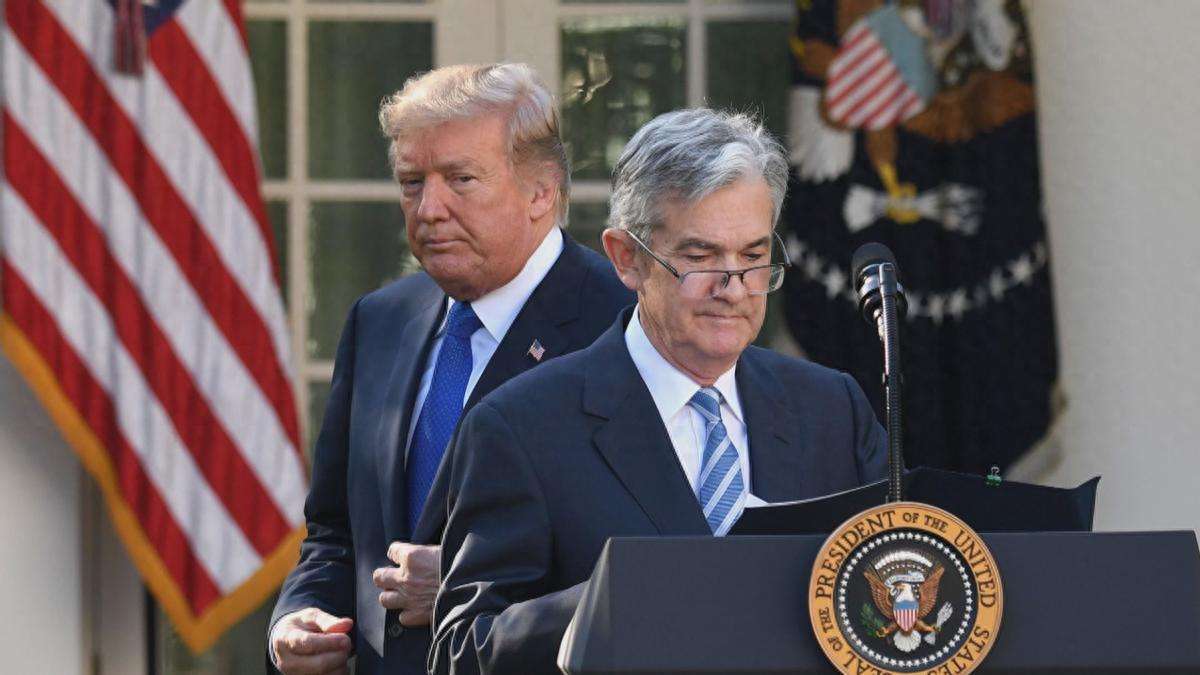
公开撕裂,美联储将换帅,特朗普发现不妙,中国大幅抛售美债
Sou Hu Cai Jing· 2026-01-16 03:25
Group 1 - The Federal Reserve is facing unprecedented challenges to its independence as President Trump intensifies pressure on Chairman Powell, including a criminal investigation by the Justice Department [3][6] - Trump's internal team is divided on the approach to pressure Powell, with Treasury Secretary Mnuchin warning that such actions could destabilize financial markets and disrupt the leadership transition at the Fed [5] - Powell's strong response to the investigation emphasizes the importance of the Fed's independent decision-making in monetary policy, which has led to significant resistance against Trump's leadership change plan [6][8] Group 2 - Historically, direct presidential intervention in the Fed's independent operations is rare, and Trump's actions represent a serious conflict between political and economic rules [8] - Recent data shows that China has significantly reduced its holdings of U.S. Treasury bonds to $688.7 billion, making the UK the second-largest holder at $877.9 billion, reflecting concerns over the safety of U.S. debt and political uncertainty [8] - The reduction in Chinese holdings could have substantial impacts on the U.S. Treasury market, potentially increasing yields and financing costs, thereby exerting pressure on the U.S. economy and the stability of the dollar [8]
经济学家预警:特朗普干预或触发2026上半年激进降息三次!
美股研究社· 2026-01-04 11:22
Core Viewpoint - The article discusses the expectation of the Federal Reserve to lower interest rates more aggressively than currently anticipated due to a weak labor market, inflation uncertainty, and political pressures, with predictions of rate cuts starting in mid-2026 [5][6]. Group 1: Economic Predictions - Mark Zandi, Chief Economist at Moody's, predicts that the Federal Reserve will implement three rate cuts of 25 basis points each by mid-2026, contrary to market expectations of only minor easing [6]. - The labor market is expected to remain weak, leading to a rise in unemployment rates, which will prompt the Federal Reserve to lower rates [6]. Group 2: Market Expectations - Current market pricing, as indicated by CME's FedWatch tool, suggests only two rate cuts, with the first not expected until at least April 2026 and the second likely in September [7]. - Federal Reserve officials' projections indicate only one rate cut throughout 2026, reflecting a cautious approach to monetary policy [8]. Group 3: Political Influences - The potential reshaping of the Federal Reserve's leadership by President Trump could accelerate rate cuts, as three of the seven board members were appointed by him [9]. - Trump's influence may weaken the independence of the Federal Reserve, especially with upcoming midterm elections increasing political pressure for further rate reductions [11].
突发特讯!特朗普通告全球:不同意我观点的人不会成为美联储主席,罕见措辞引爆国际舆论
Sou Hu Cai Jing· 2025-12-24 08:42
Group 1 - The article discusses the increasing political pressure on the Federal Reserve, particularly from President Trump, who has stated that only those who agree with him will be appointed as Fed Chair [1][5] - Historical parallels are drawn between Trump's actions and past instances of presidential interference with the Fed, notably during the Nixon and Carter administrations, highlighting the recurring theme of political influence on monetary policy [3][7] - The independence of the Federal Reserve is under unprecedented challenge, with suggestions that the Trump administration may seek to amend the Federal Reserve Act to grant the president greater control over appointments [5][8] Group 2 - Concerns from Wall Street are significant, with a Morgan Stanley report indicating that if the Fed becomes a political tool, the premium of the dollar as a reserve currency could evaporate by 30% [7] - The article emphasizes the conflict between the election cycle, which the president is focused on, and the long-term economic stability that the Fed aims to protect, raising questions about how long this balance can be maintained [7][8] - The historical context provided suggests that Fed chairs who have yielded to political pressure often end up with a negative legacy in economic history, underscoring the importance of maintaining central bank independence [8]
“糖嗨效应”或至?美联储降息前景下加密市场仍面困境
Sou Hu Cai Jing· 2025-11-25 13:13
Group 1: Federal Reserve and Interest Rate Expectations - The market initially expected no interest rate cuts from the Federal Reserve in December, but sentiment shifted dramatically within three days as Fed officials began advocating for a potential rate cut, indicating increasing internal dissent within the Fed [2] - The Federal Reserve lowered the policy interest rate by 25 basis points to a range of 3.75%-4.00% during the October meeting, but Chairman Powell's hawkish comments led to a significant drop in the probability of a December rate cut from 90% to 40% [2] - By the following Friday, New York Fed President John Williams stated that rates could be lowered "in the near term," leading to a resurgence in market expectations for a December rate cut to 81.1% [2] Group 2: Economic Predictions and Political Pressure - Goldman Sachs' chief economist Jan Hatzius predicts the Fed will cut rates in December and again in March and June 2026, bringing the federal funds rate down to 3-3.25% [3] - Political pressure from the White House is increasing, which historically has led to more aggressive rate cuts by the Fed, potentially resulting in an additional 1.0 to 1.5 percentage points cut in the next 12 months [4] - The historical context suggests that political interventions often lead to looser monetary policy, which could further influence the Fed's decisions under current pressures [3][4] Group 3: Implications of Aggressive Rate Cuts - Aggressive rate cuts driven by political pressure may not sustain long-term economic growth but could lead to persistent inflation, as market confidence in the central bank's independence wanes [5] - If the economy shows signs of slowing, aggressive rate cuts may align with economic logic, potentially avoiding excessive inflation [6] - Implementing aggressive rate cuts in the context of 3% inflation and nearly 4% annual economic growth poses significant risks [7] Group 4: Cryptocurrency Market Dynamics - The cryptocurrency market experienced a brief recovery, with total market capitalization rising by 1.5% to $2.98 trillion, but underlying issues remain [7] - Bitcoin exchange-traded funds (ETFs) saw a significant outflow of $3.5 billion in November, indicating a halt in institutional investment and potential selling pressure [8] - The slowdown in stablecoin minting and continued outflows from the crypto market suggest reduced liquidity, with approximately $800 million flowing back to fiat currencies last week [8] - Long-term holders are beginning to sell, influenced by historical price cycles, raising concerns about the sustainability of the current market dynamics [9]

杠杆屠刀落下!比特币跌破10万刀,美国两党用民众饥饿做赌注
Sou Hu Cai Jing· 2025-11-09 19:21
Group 1: Bitcoin Market Dynamics - Bitcoin price fell below the psychological threshold of $100,000, reaching a low of $99,075.89 before a brief recovery to $104,070, indicating a significant market panic [1] - The recent crash is attributed to a "death spiral" caused by market sentiment cooling and leveraged liquidations, with 76% of liquidations being long positions [3] - Long-term holders sold 405,000 Bitcoins worth over $4 billion in the past 30 days, contributing to downward pressure on prices [3] Group 2: U.S. Government Shutdown Impact - The U.S. government shutdown has entered its 36th day, causing significant disruptions in various sectors, including air travel, with thousands of flights delayed or canceled [5] - The Congressional Budget Office estimates that the shutdown could reduce the annualized GDP growth rate by 1-2 percentage points per week, potentially leading to a $14 billion economic loss in Q4 [6] - The political deadlock is rooted in sharp divisions over the Affordable Care Act, reflecting broader political polarization in the U.S. [6] Group 3: Federal Reserve and Economic Concerns - The Federal Reserve's recent interest rate cut of 25 basis points to a range of 3.75% has not alleviated market anxiety, with concerns about inflation persisting [8] - The independence of the Federal Reserve is under unprecedented pressure, with political interventions complicating monetary policy decisions [8] - A crisis in stablecoins has emerged, with significant liquidity risks highlighted by the collapse of xUSD, which could lead to a broader liquidity crisis in the cryptocurrency market [8] Group 4: Broader Market Reactions - The Nasdaq index fell by 2% in a single day, with significant losses in tech stocks like Nvidia, reflecting a broader downturn in risk assets [10] - Consumer confidence has dropped to its lowest level since June 2022, indicating a potential slowdown in consumer spending [10] - Analysts predict that if Bitcoin fails to hold above $100,000, it may target a low of $74,000, highlighting the extreme uncertainty in the market [10]

道指暴涨500点秒变脸!美联储降息25个基点,政治干预央行时代来了?
Sou Hu Cai Jing· 2025-09-25 22:19
Core Insights - The Federal Reserve's recent interest rate cut of 25 basis points was widely anticipated, but the market's initial excitement quickly faded, revealing underlying complexities [1][2][3] Group 1: Federal Reserve's Decision - The decision to cut rates was almost unanimous, with only one dissenting voice from newly appointed member Stephen Moore, who advocated for a more aggressive 50 basis point cut, indicating political influences on monetary policy [2] - Chairman Powell's responses during the press conference highlighted the tension between economic data and political pressures, suggesting a need for justification of the Fed's actions [2][3] Group 2: Market Reactions - Initial market enthusiasm following the rate cut was short-lived as investors recognized that the cut did not address existing economic challenges, particularly in the housing market [2][3] - The lack of significant changes in mortgage rates and treasury yields post-rate cut indicated that deeper structural issues in the housing market were not resolved by monetary policy alone [3] Group 3: Broader Economic Implications - The rate cut illustrated the limitations of monetary policy as a solution to complex economic issues, such as rising construction costs and labor shortages in the housing sector [3] - The situation reflects a common misconception that single policy tools can resolve multifaceted economic problems, emphasizing the need for comprehensive structural reforms [3][5] Group 4: Political Dynamics - The relationship between the Federal Reserve and political influences has become more pronounced, with President Trump's direct criticisms and demands for more aggressive monetary policy highlighting a shift in how political pressures are exerted on the Fed [4][5] - The transparency of these political interactions has increased market uncertainty, as investors must now consider both economic data and political maneuvering in their analyses [4] Group 5: Global Perspectives - The Federal Reserve's actions have global repercussions, affecting liquidity and capital flows in emerging markets, which can lead to both opportunities and risks [5] - Lessons from the Fed's experience include the importance of addressing structural economic issues, managing market expectations, and maintaining long-term goals amidst short-term pressures [5][6]
降息下的美联储:经济“风险管理”难掩政治干预魅影
Sou Hu Cai Jing· 2025-09-22 07:44
Core Viewpoint - The recent interest rate cut by the Federal Reserve is not just a numerical adjustment but a significant test of the central bank's independence amid political pressures, particularly from President Trump [1][4][7]. Economic Rationality Support - The Federal Reserve's decision is backed by solid economic logic, as recent data indicates a moderate slowdown in the U.S. economy, with predictions of further weakening in growth rates [2][3]. - Non-farm payrolls added only 22,000 jobs in August, and the unemployment rate rose to 4.3%, highlighting increasing economic risks [2]. - The Fed's inflation forecast remains at a median of 3% for the end of the year, significantly above the 2% target, driven mainly by supply-side factors rather than demand-pull inflation [2]. Political Pressure Penetration - President Trump has openly criticized the Federal Reserve and taken actions to influence monetary policy, including appointing Stephen Milan, who aligns closely with Trump's demands for aggressive rate cuts [4][5]. - Milan's dual role in the White House and the Fed raises concerns about the independence of the central bank, as he voted against the Fed's decision shortly after taking office [5]. Independence Boundaries - Despite political pressures, the Fed maintains rational judgments regarding inflation and employment, indicating a struggle to uphold its independence [6]. - The recent rate cut reflects a compromise between economic rationality and political demands, suggesting a normalization of political intervention in monetary policy [7].