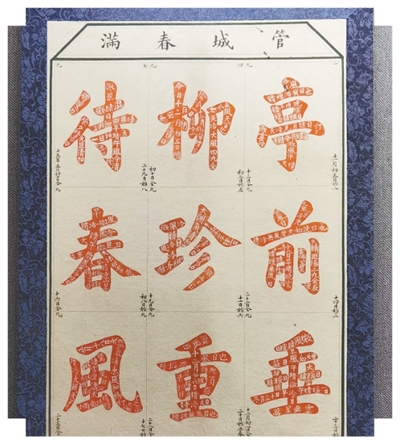
数九

Search documents
关于立春,这些趣味知识你了解吗?
Xin Lang Cai Jing· 2026-02-03 11:32
Group 1 - The beginning of spring is marked by the arrival of Lichun, which typically occurs on February 3rd, 4th, or 5th in the Gregorian calendar [4][3] - The concept of "counting the nines" starts from the winter solstice, totaling 81 days, indicating the cold period of winter [1] - Lichun signifies the start of spring farming activities and is associated with the agricultural calendar, indicating a fruitful year ahead [3][4] Group 2 - There are interesting phenomena related to Lichun, such as "no spring year," "single spring year," and "double spring year," which refer to the occurrences of Lichun in the lunar calendar [4] - The upcoming lunar year of the Horse will have only one Lichun on February 4, 2027, categorizing it as a "single spring year" [7] - Lichun can coincide with the Spring Festival, creating a unique overlap that signifies the start of both the solar and lunar new years [7]

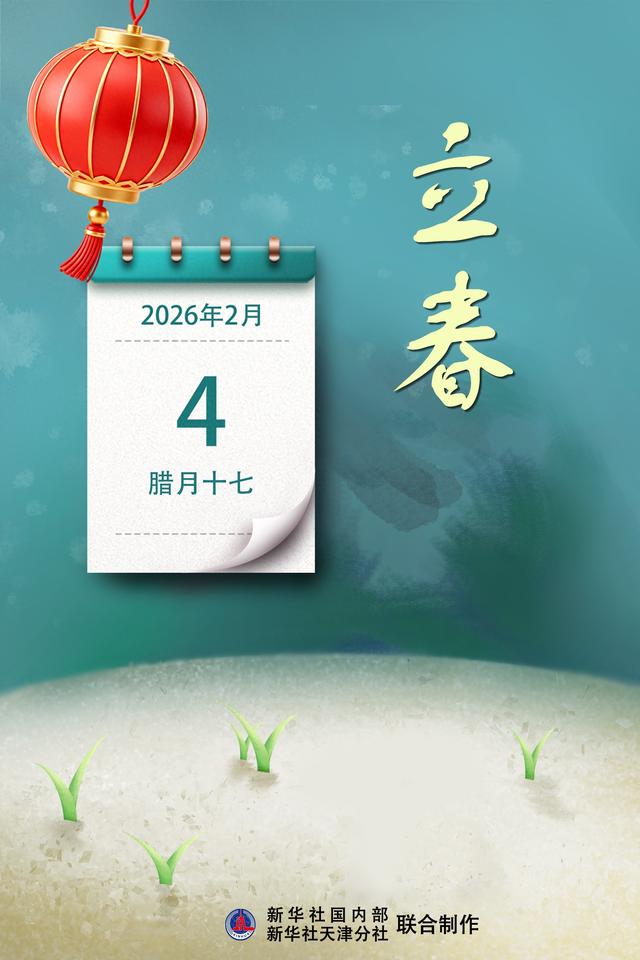
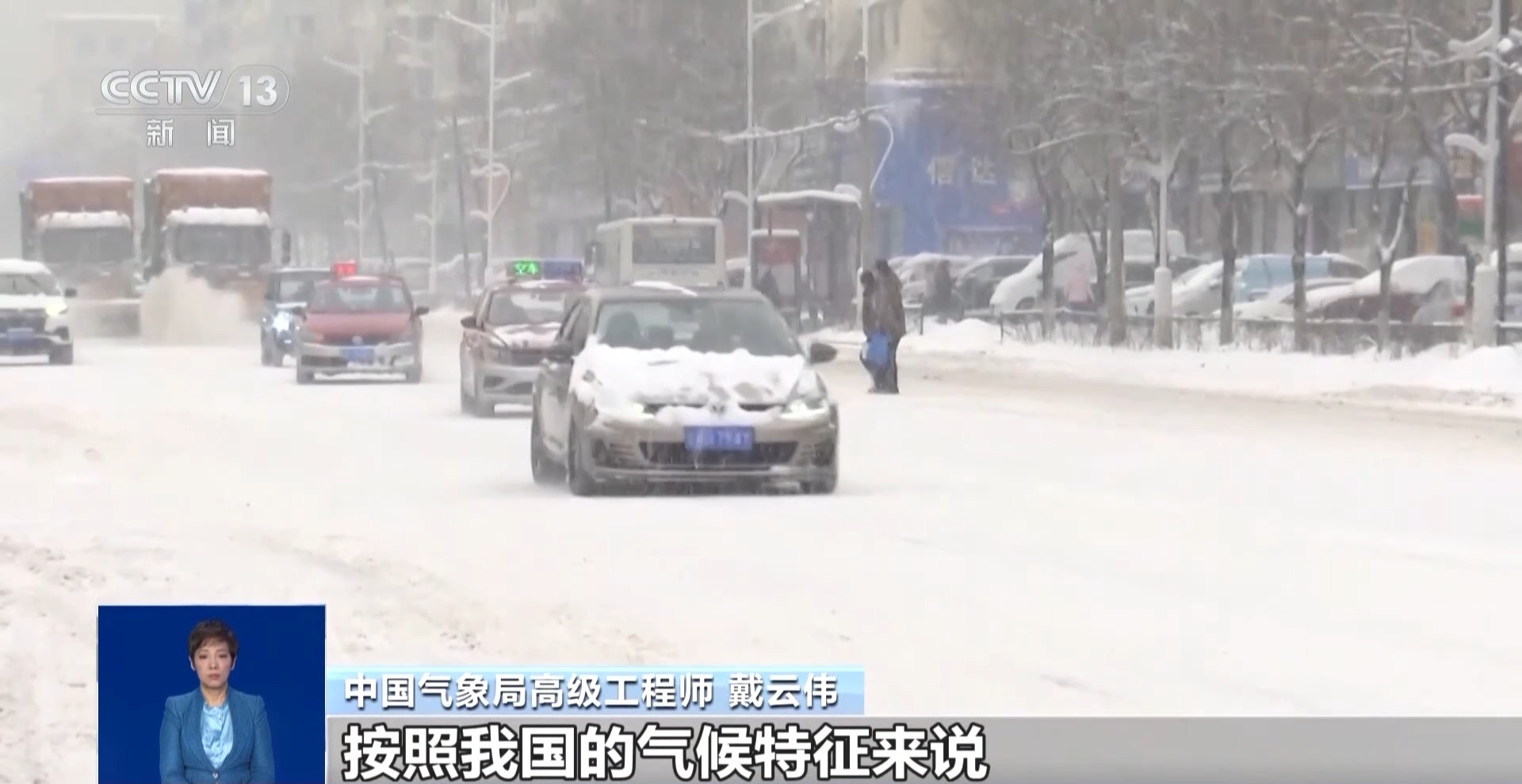
“四九”严寒开启 “数九”歌谣唱出气候密码
Yang Shi Xin Wen· 2026-01-17 17:55
Core Viewpoint - The "Nine Nines" tradition, starting from the winter solstice, reflects ancient wisdom regarding seasonal changes and weather patterns in China, marking the coldest period of winter and the transition towards spring [1][2][4]. Group 1: Significance of "Nine Nines" - The "Nine Nines" custom begins from the winter solstice, which is the shortest day of the year, leading to a gradual increase in cold as heat loss exceeds heat gain [2][4]. - The coldest periods in China typically occur during "Three Nines" and "Four Nines," with average temperatures reaching as low as -5.15°C during "Three Nines" [2][4]. Group 2: Regional Variations - In northern China, "Three Nines" is generally the coldest period, while in southern regions like Jiangnan and most of South China, "Four Nines" tends to be the coldest [5]. - The actual temperature variations can be influenced by climate change, El Niño, and cold air processes, leading to fluctuations from historical averages [5]. Group 3: Current Weather Patterns - This year, during "Three Nines," many regions experienced a temperature rise due to weak cold air, but "Four Nines" is expected to bring a significant drop in temperatures, potentially making it the coldest nine days of the winter [6][8]. - For instance, in Nanjing, temperatures are projected to drop from a high of 22°C to below freezing, illustrating the stark contrast in weather [6]. Group 4: Cultural Aspects - The "Nine Nines" tradition includes various folk songs that describe the weather changes and agricultural practices, reflecting local climate variations [9][10]. - The "Nine Nines" songs have evolved over time, with different regions having their unique versions that capture the essence of local weather patterns and farming cycles [9][10]. Group 5: Historical Context - The "Nine Nines" custom has been documented for over 1,400 years, with practices like "drawing nine" and "writing nine" serving as both a scientific record of weather changes and a cultural activity to welcome spring [13][15]. - These activities not only record weather but also express the anticipation of spring, embodying the philosophy of waiting for the seasonal transition [15].
“数九”到底该咋数?怎么画“九九消寒图”?来了解一下
Xin Lang Cai Jing· 2025-12-21 14:32
Group 1 - The article discusses the traditional Chinese custom of "Shu Jiu," which begins on the winter solstice and involves counting nine days as one "Jiu" [1] - It highlights the cultural significance of the "Jiu Jiu Song," which varies across different regions in China, particularly in the northern areas [3] - The "Jiu Jiu Song" reflects the changes in weather and seasonal transitions, emphasizing the anticipation of spring [3] Group 2 - The article explains the concept of "Jiu Jiu Xiao Han Tu," which is a traditional way to mark the days of winter, often involving artistic expressions like drawing and writing [10] - It mentions the educational aspect of this tradition, serving as a tool for teaching children literacy and natural knowledge [10] - The article also notes the emotional and recreational benefits of this practice, enhancing the enjoyment of winter while looking forward to spring [10]

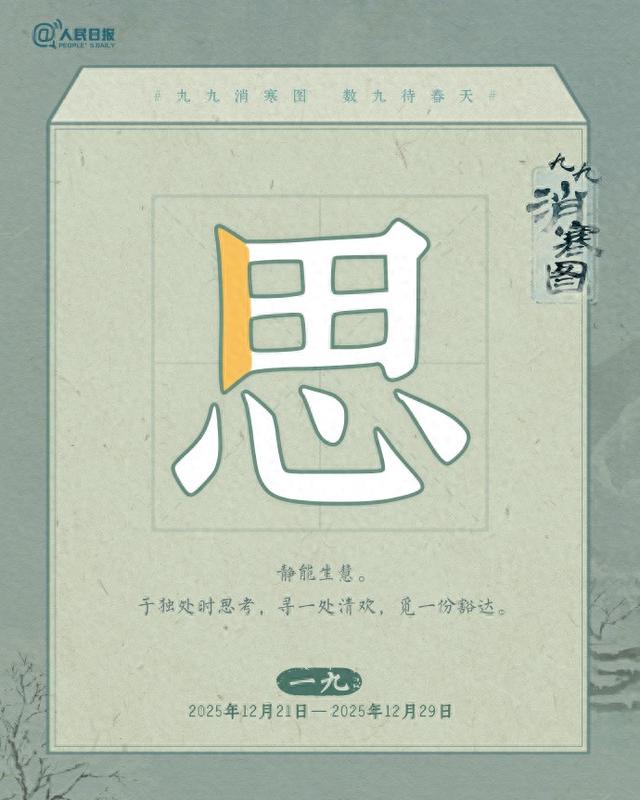
“九九消寒图”是中国人独有的浪漫
Xin Lang Cai Jing· 2025-12-21 10:24
Group 1 - The article discusses the traditional Chinese custom of "九九消寒图" which marks the beginning of winter and the anticipation of spring [1] - The "九九消寒图" involves filling in strokes of nine characters daily while recording the weather, symbolizing the passage of time until spring arrives [1] - Each segment of the "九九消寒图" corresponds to specific dates, with the first segment starting from December 30, 2025, to January 7, 2026 [3] Group 2 - The subsequent segments continue through various dates, emphasizing themes of self-care, appreciation of time, and personal growth [4][5][6][7][8][9] - Each segment encourages positive reflections and aspirations for the new year, highlighting the importance of cherishing moments and striving for improvement [4][5][6][7][8][9]
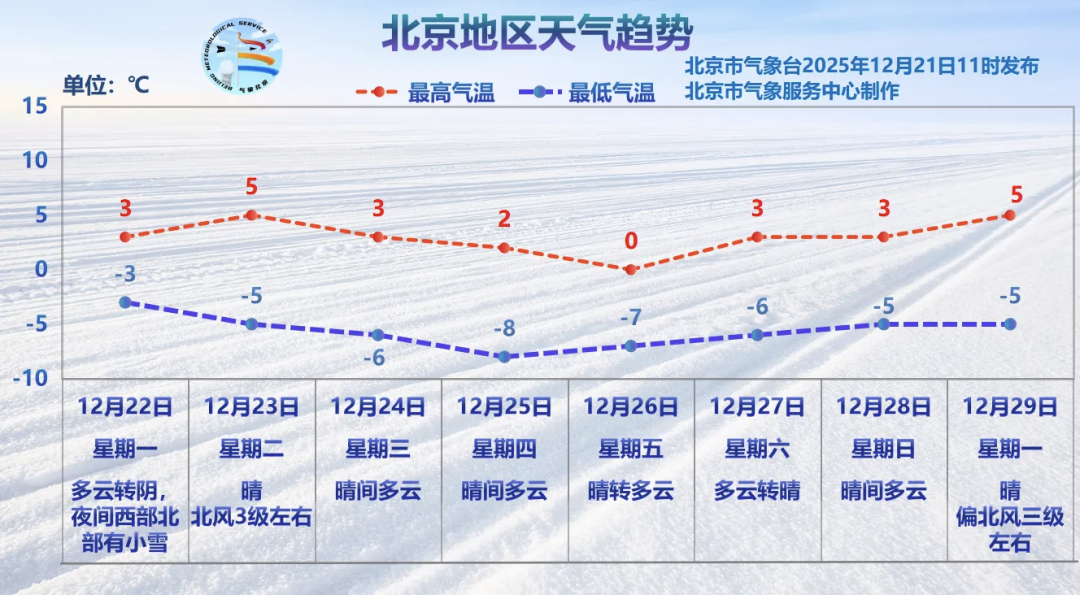
明天,北京局地有小雪,下周有点儿冷
Xin Lang Cai Jing· 2025-12-21 09:22
Group 1 - The winter solstice marks the day with the longest night in the Northern Hemisphere, as the sun is nearly directly overhead at the Tropic of Capricorn [1] - The start of the "Nine Cold Days" is officially recognized today, indicating a period of colder weather ahead [1] - Daytime temperatures are expected to reach a high of 4°C with significant wind chill effects due to strong southerly gusts [1] Group 2 - On the afternoon of the 21st, clear skies are forecasted with a maximum temperature of 4°C in plains and 0-3°C in mountainous areas, alongside a minimum relative humidity of 15% [3] - Nighttime temperatures on the 21st are expected to drop to -6°C in plains and -11 to -8°C in mountainous regions, with a maximum relative humidity of 60% [3] - The weather on the 22nd is predicted to transition from cloudy to overcast with light snow in mountainous areas, with daytime highs of 3°C in plains and 0-4°C in mountains [3]
冬至:冬至一阳生 数九盼春归
Xin Lang Cai Jing· 2025-12-21 05:42
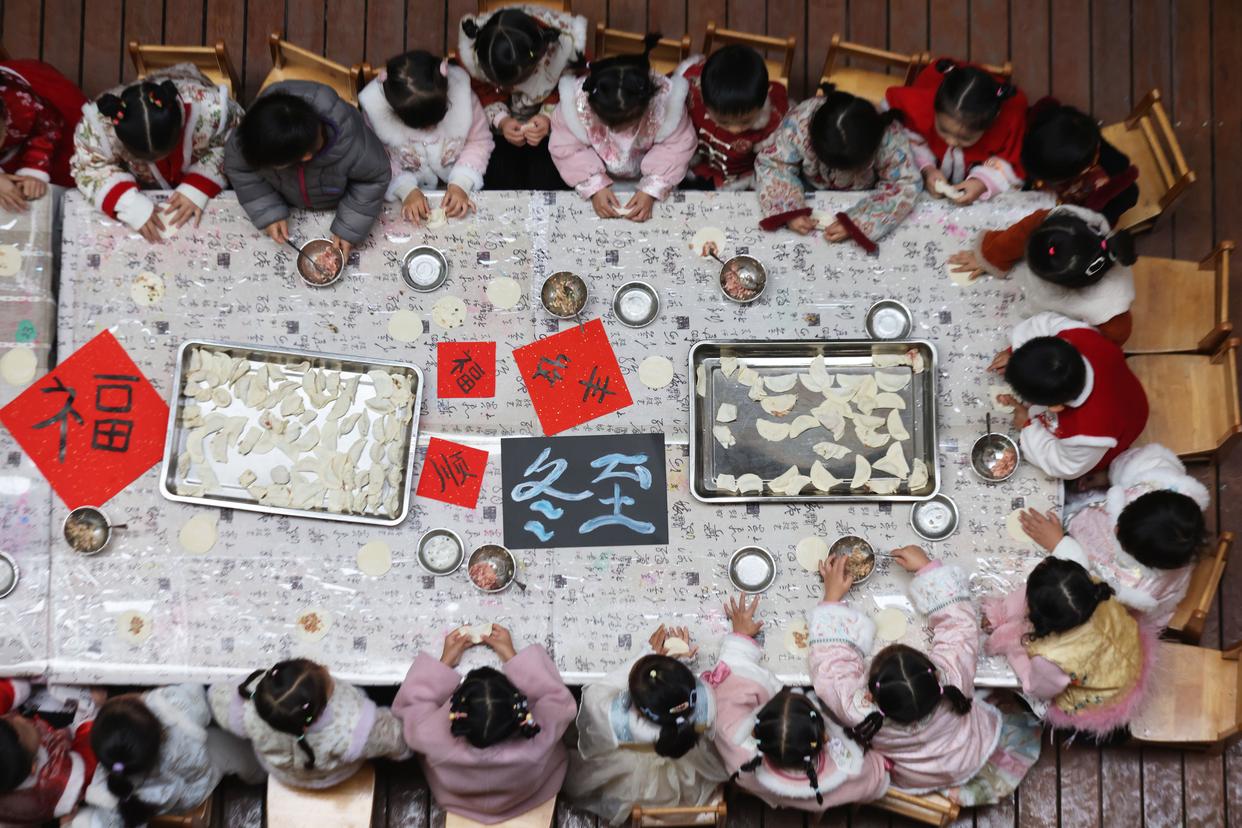
Group 1 - The winter solstice marks the shortest day and longest night of the year in the Northern Hemisphere, symbolizing the transition of yin and yang energies, with the belief that life activities will gradually shift from decline to growth after this day [2] - The tradition of "counting the nine" begins on winter solstice, where people count nine sets of nine days, symbolizing the anticipation of warmer spring days [4] - In northern China, it is customary to eat dumplings and drink mutton soup on winter solstice, as dumplings symbolize warmth and health, while in southern regions, glutinous rice balls (tangyuan) are consumed, representing reunion and good wishes [8][10] Group 2 - Various local customs and activities are organized to celebrate the winter solstice, including making dumplings and tangyuan, which foster community bonding and express hopes for a better life [11] - In Fujian Province, villagers engage in the traditional craft of making brown sugar from sugarcane around the winter solstice, which is a cherished ancestral skill and symbolizes a sweet life [13]
“数九”,因何从冬至开始?
Xin Lang Cai Jing· 2025-12-21 05:18
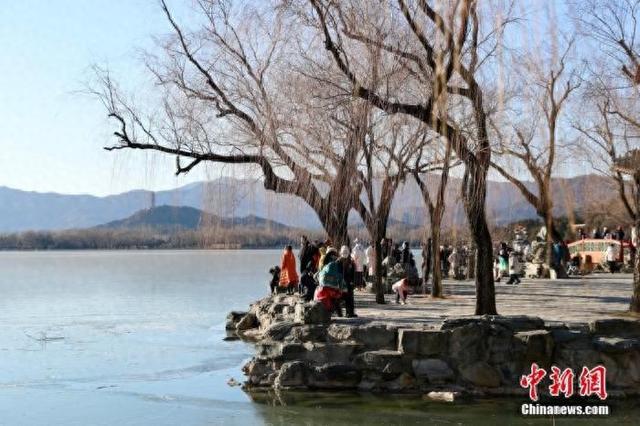
Group 1 - The concept of "Shu Jiu" (Counting the Nines) begins on the Winter Solstice, marking the start of a period that lasts for 81 days, culminating in the arrival of spring [2] - The "Shu Jiu" method is particularly relevant to northern China, especially the Yellow River's middle and lower reaches, as it symbolizes the transition from winter to spring [2] - The 2026 Spring Festival falls on February 17, which is relatively late compared to previous years, due to the occurrence of a leap month in 2025 [2] Group 2 - The "Shu Jiu" folk song describes seasonal changes and agricultural life, reflecting the cultural significance of this period [5] - The phenomenon of "river opening" typically occurs when temperatures stabilize above 0 degrees Celsius, which may align with the timing of the Spring Festival in 2026 [5] - Traditional practices emphasize the importance of warmth and appropriate clothing during the cold winter months, highlighting health considerations during this season [5]
“数九”,为何从冬至开始?
Zhong Guo Xin Wen Wang· 2025-12-21 01:56
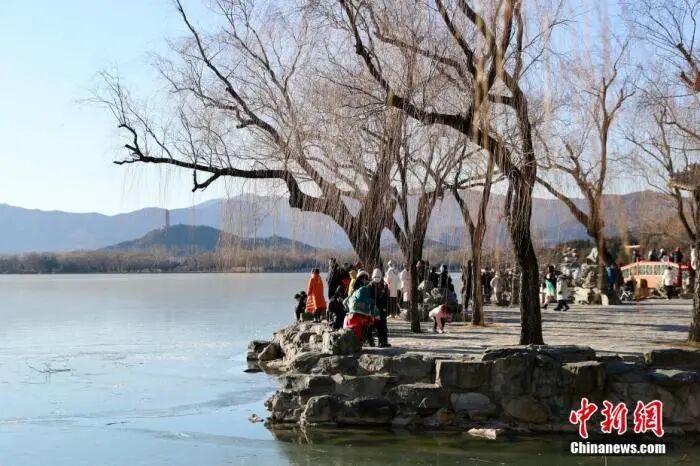
Core Viewpoint - The article discusses the traditional Chinese counting method of "Shu Jiu" (数九), which begins on the winter solstice and marks the transition from winter to spring, highlighting its cultural significance and the timing of the 2026 Spring Festival [1][3][4]. Group 1: "Shu Jiu" Overview - "Shu Jiu," also known as "Winter Jiu," starts from the winter solstice and counts every nine days as a unit, culminating in 81 days, which signifies the arrival of spring [3][6]. - The folk song associated with "Shu Jiu" illustrates weather characteristics and agricultural activities during this period, emphasizing its cultural relevance [3][6]. Group 2: 2026 Spring Festival Timing - The 2026 Spring Festival falls on February 17, 2026, which is relatively late compared to previous years, as it coincides with the "Seven Jiu" period from February 13 to February 21 [3][4]. - The delay in the Spring Festival's timing is attributed to the occurrence of a "leap June" in 2025, affecting subsequent festivals like the Mid-Autumn Festival and the Spring Festival [4]. Group 3: Weather and Agricultural Implications - The "Seven Jiu" period is expected to align with the warming trend, potentially allowing for the phenomenon of "river opening" to occur if temperatures remain above zero degrees Celsius [6]. - The article emphasizes the importance of traditional knowledge in understanding seasonal changes and agricultural practices, as reflected in the "Shu Jiu" counting method [6].
消寒图有几种玩法(文化中国行·二十四节气二十四问)
Ren Min Ri Bao· 2025-12-19 22:10
Group 1 - The winter solstice is the 22nd solar term and the fourth solar term of winter, starting on December 21, 2025 [2] - It marks the shortest day and longest night of the year in the Northern Hemisphere, leading into the coldest period known as "Jin Jiu" [2] - The concept of "counting the nines" begins on this day, which is a method of tracking days and weather for agricultural purposes, lasting 81 days until spring [2] Group 2 - The "counting the nines" custom includes three main forms: "drawing nine," "writing nine," and "filling nine" [3] - "Drawing nine" involves artistic representations, often featuring plum blossoms, where participants color in petals daily until completion [3] - "Writing nine" consists of selecting nine characters to form meaningful phrases, with participants filling in strokes daily, reflecting both weather and anticipation for spring [3] Group 3 - "Filling nine" is a practical form where participants fill in a grid based on weather conditions, creating a record of the 81 days [4] - The evolution from songs to these visual representations illustrates the cultural significance and wisdom of agricultural practices [4] - Despite modern advancements, the cultural depth and life philosophy embedded in these traditions remain valuable for contemporary experiences [4]