
立春

Search documents
“马年无春不宜结婚”是真的吗?天文专家揭秘
Yang Shi Wang· 2026-02-26 21:38
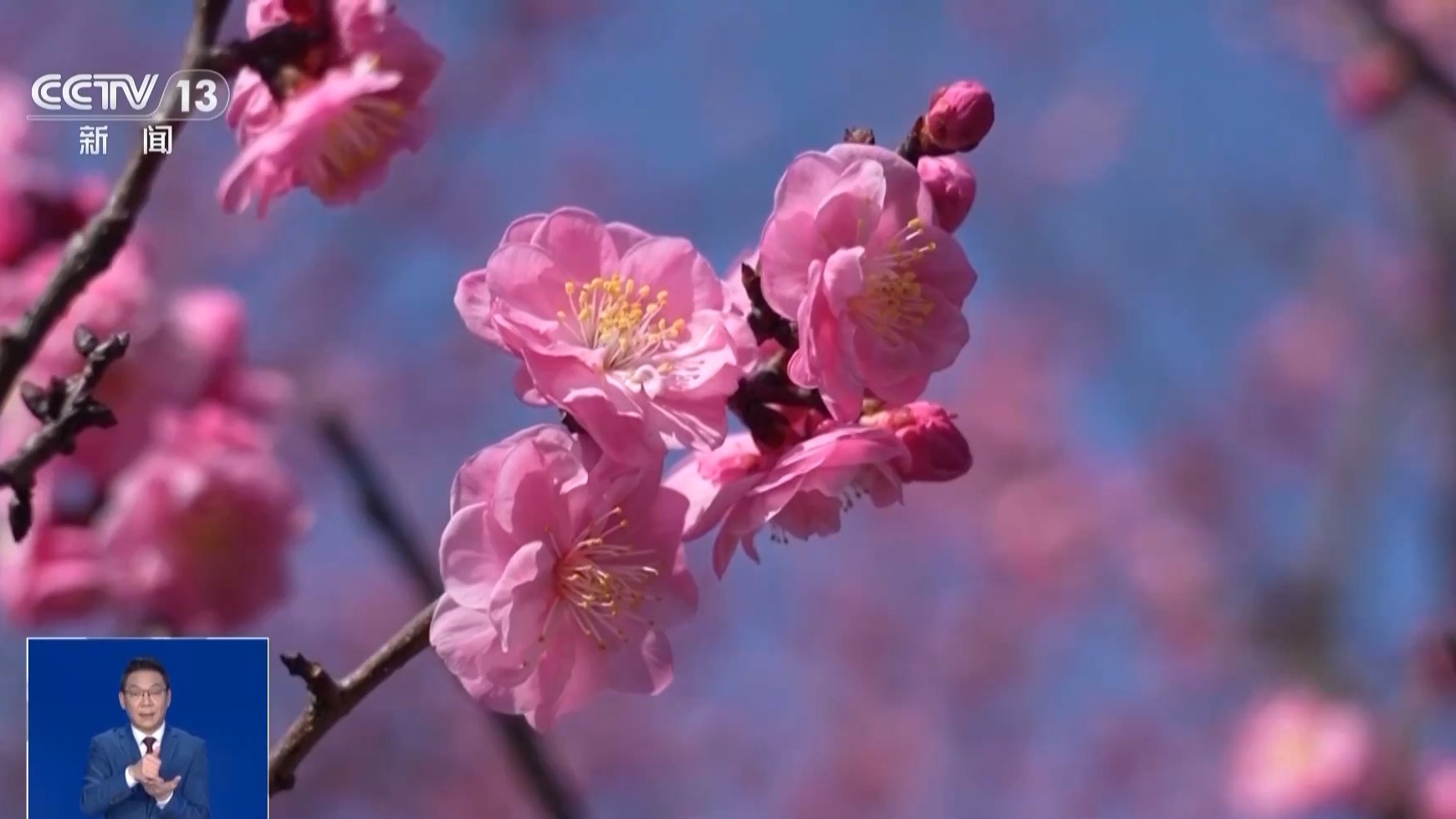
Core Viewpoint - The notion that the Year of the Horse (丙午马年) will have no "Lichun" (立春) is a misconception, as the year does indeed contain this solar term, albeit at the end of the year [1][3]. Group 1: Misconceptions about "No Spring Year" - The term "No Spring Year" refers to the year 2026, where the Lichun falls on February 4, which is still within the lunar calendar of the previous year [1]. - The claim that "No Spring Year" is a rare occurrence is a cognitive bias; such years are not uncommon [4]. - The concept of "Double Spring" (双春) or "Two Springs" is also prevalent, indicating that these phenomena are part of the natural calendar cycle [4]. Group 2: Calendar Mechanics - Lichun is fixed in the solar calendar around February 4, while the lunar calendar varies, leading to discrepancies in the timing of solar terms [5]. - The lunar calendar's adjustments, such as leap months, cause the solar terms to shift within the lunar year [5][7]. - On average, "No Spring Years" or "Double Spring Years" occur approximately every 19 years, with 7 occurrences, roughly every 2 to 3 years [7]. Group 3: Historical Context - Historical texts have never classified "No Spring" as a wedding taboo; this belief is a modern misinterpretation [8]. - The original term for a year without Lichun was "寡春年" (Guachun Year), which was later misinterpreted as "widow year" due to linguistic confusion [9]. - Traditional marriage practices in ancient China were not influenced by the presence or absence of Lichun, as evidenced by numerous marriage records from "No Spring Years" [9][11].

专家辟谣“马年无春”!称适不适合婚嫁也与历法现象无关
Nan Fang Du Shi Bao· 2026-02-15 07:37
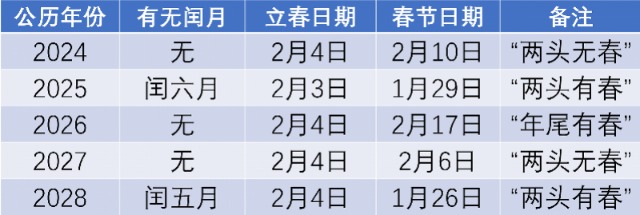
Core Viewpoint - The notion that the Year of the Horse in 2026 is a "no spring year" is inaccurate, as it actually includes the spring festival of 2027, which falls on February 6, 2027 [1]. Group 1: Lunar Calendar and Spring Festival - The Year of the Horse (2026) will have its spring festival on February 17, 2026, and it includes the spring day of February 4, 2027, making the claim of a "no spring year" misleading [1]. - The lunar calendar has specific rules regarding leap months and the occurrence of spring days, which can lead to years with "no spring" or "double spring" [1]. Group 2: Cultural Beliefs and Marriage - The belief that "no spring years" are inauspicious for marriage stems from ancient associations of spring with fertility and growth, leading to superstitions that lack scientific basis [2]. - Despite these beliefs, millions of couples marry each year, and their marital success is not dependent on whether the lunar year has a spring [2]. - The next true "no spring year" will be in 2027, during the Year of the Sheep, further illustrating that such phenomena are common in the lunar calendar and do not affect individual destinies [2].
赵伯陶:什么是“入春第一日”
Xin Lang Cai Jing· 2026-02-10 23:13
Core Viewpoint - The article discusses the significance of the term "入春第一日" (the first day of spring) as recorded in historical texts, particularly focusing on its relation to the solar terms and the ancient understanding of seasonal changes [3][5][6]. Group 1: Historical Context - The entry from "楚游日记" indicates that the first day of spring in the year 1637 was noted for its pleasant weather, marking it as a significant day in the context of seasonal changes [3]. - The year 1637 is identified as a "double spring" year, with the first "立春" (Beginning of Spring) occurring on February 5, 1637, according to the lunar calendar [5]. - The article references discrepancies in historical records regarding the dates of solar terms, highlighting the importance of accurate historical documentation [5][6]. Group 2: Cultural Significance - The term "入春第一日" is interpreted as another expression for "春分" (Spring Equinox), reflecting the ancient recognition of the importance of this solar term in the agricultural calendar [5][6]. - The article emphasizes the connection between the twenty-four solar terms and agricultural practices, noting that rituals such as "鞭春牛" (whipping the spring ox) were significant events in ancient farming communities [7]. - The depiction of rituals and practices related to the solar terms in "楚游日记" illustrates the text's encyclopedic nature, providing insights into historical agricultural customs [7].

你好,春牛
Xin Lang Cai Jing· 2026-02-05 20:15
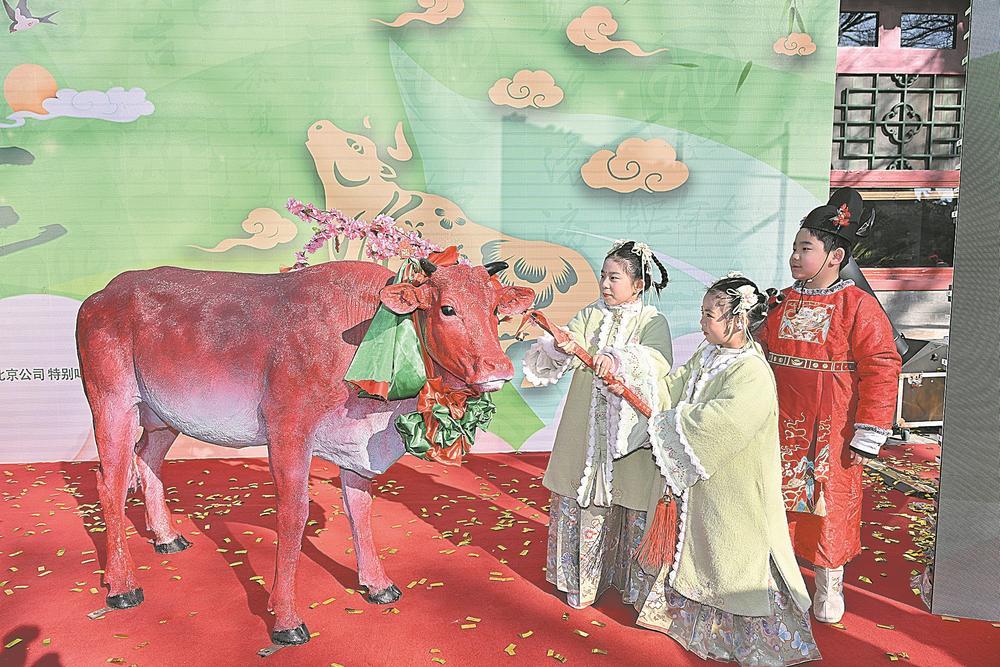
Group 1 - The article discusses the significance of the "Beginning of Spring" (立春) in Chinese culture, marking the start of agricultural activities and the arrival of spring [9][11][15] - It highlights various traditional customs associated with the Beginning of Spring, such as the "Whip Spring Ox" (鞭春牛) ceremony, which symbolizes the hope for a bountiful harvest [11][16][17] - The article mentions the historical context of the Beginning of Spring, including its establishment as a significant solar term in ancient Chinese calendars and its evolution into a festival [10][12][14] Group 2 - The "Whip Spring Ox" custom involves using a model of an ox filled with grains, which symbolizes prosperity and abundance when the ox is broken [16][17] - The article describes local variations of spring celebrations, such as "Ban Spring Encouragement for Agriculture" (班春劝农) in Zhejiang and "Stone Spring Talk" (石阡说春) in Guizhou, emphasizing community participation and agricultural rituals [14][15] - It reflects on the transition from traditional farming methods using real oxen to modern agricultural machinery, indicating changes in agricultural practices over time [17][18]
春卷、春饼
Xin Lang Cai Jing· 2026-02-05 20:15
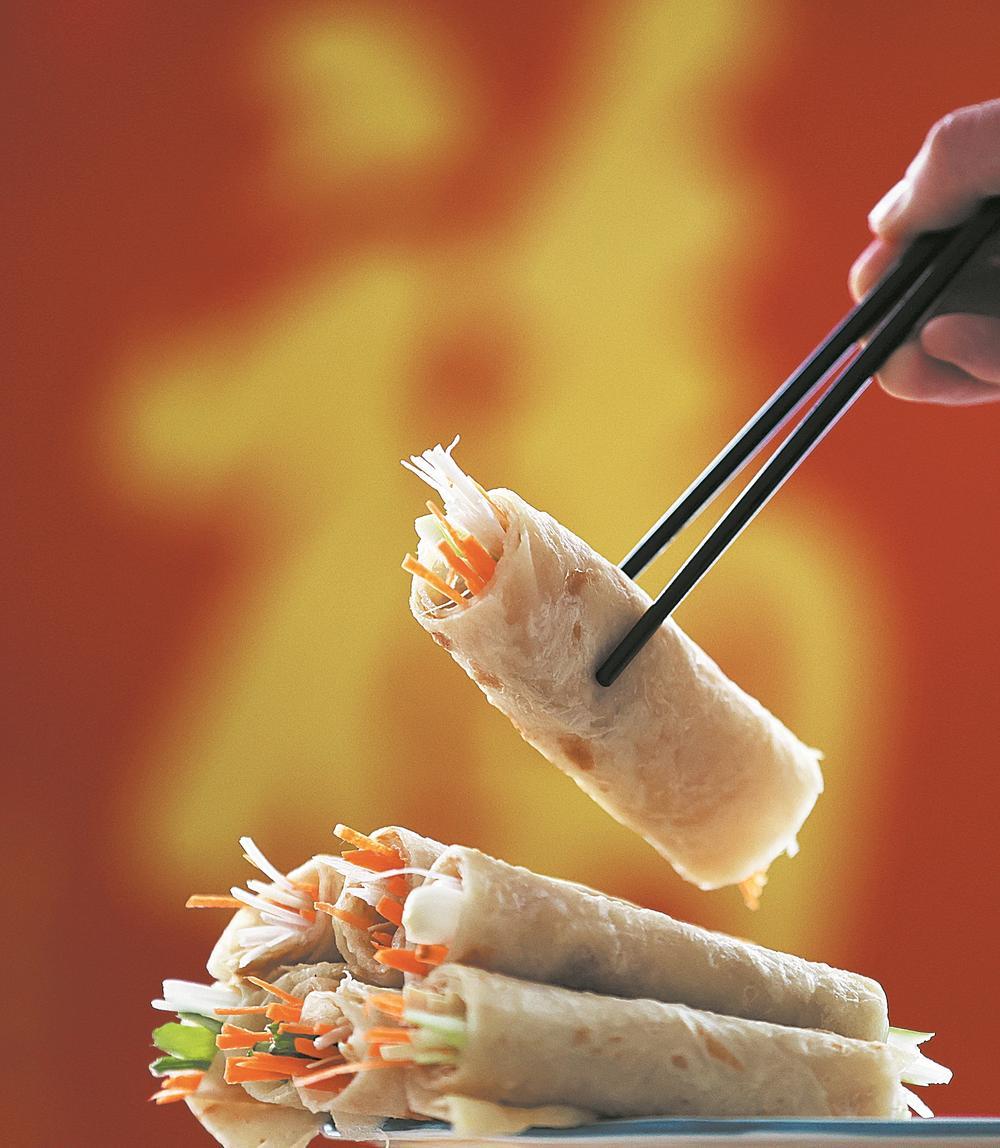
Core Viewpoint - The article emphasizes the cultural significance and culinary traditions associated with spring rolls and spring pancakes, particularly during the arrival of spring, highlighting their role in celebrating the season and the associated customs of "biting into spring" [8][9]. Group 1: Cultural Significance - The arrival of spring is marked by various customs, including "biting into spring," which involves consuming spring rolls, spring pancakes, and other seasonal dishes [8][9]. - In different regions, such as Ningbo, it is customary to include spring rolls in the New Year's Eve dinner, symbolizing the joy and freshness of spring [8][9]. Group 2: Culinary Aspects - Spring rolls, originally known as spring pancakes, have a history dating back to the Eastern Jin Dynasty, with various ingredients used in their preparation, including vegetables and sometimes meat [9]. - The preparation of spring rolls involves making thin pancakes from flour and water, which are then filled with a variety of ingredients, showcasing both sweet and savory options [10]. - The article describes the sensory experience of eating spring rolls, highlighting their crispy texture and flavorful fillings, which evoke a sense of joy and anticipation for the new season [10].
60年一遇!今年立春不一般
Xin Lang Cai Jing· 2026-02-05 16:09
Core Viewpoint - The article discusses the significance of the "Lichun" (Beginning of Spring) festival in Chinese culture, highlighting its unique characteristics in 2026, which is considered a rare occurrence in 60 years due to multiple seasonal features converging on this day [2][3][4]. Group 1: Significance of Lichun - Lichun marks the beginning of spring and is associated with the revival of nature, symbolizing warmth and growth as the new cycle begins [2][3]. - The year 2026's Lichun is particularly special as it falls on February 4, coinciding with the lunar calendar's 17th day of the twelfth month, which is referred to as "early Lichun" [3][4]. - The phrase "Lichun is greater than the New Year" reflects the cultural importance of this day, indicating that the transition from the Year of the Snake to the Year of the Horse brings a dynamic shift in energy [3][4]. Group 2: Agricultural and Cultural Implications - The occurrence of Lichun on the first day of the sixth nine-day period of winter suggests a quicker rise in temperature, benefiting agricultural recovery and allowing for an earlier experience of spring warmth [4][6]. - The dual spring year (Year of the Snake and Year of the Horse) is believed to bring good fortune, with traditional beliefs suggesting that this year will be favorable for weddings, relocations, and new ventures [4][6]. - The city of Shangqiu is highlighted as the "City of Lichun," recognized for its historical significance in the development of the 24 solar terms and its cultural heritage related to Lichun [6][7]. Group 3: Traditional Practices and Health - The welcoming of spring is an important activity, historically involving rituals led by the emperor to pray for a bountiful harvest, evolving into a widespread cultural practice [7]. - Health practices during Lichun emphasize adapting to the seasonal changes, focusing on liver health and preventing spring fatigue, especially important this year due to the early arrival of spring [7]. - The article advises against premature clothing removal despite the warmth of spring, promoting a balanced approach to health and well-being during this transitional period [7].
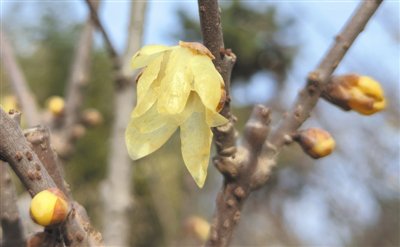
文化中国行丨二十四节气·立春 聆听春的脚步 感受万物萌动
Yang Shi Xin Wen Ke Hu Duan· 2026-02-05 01:47
Group 1 - The arrival of the Beginning of Spring (Lichun) marks the end of winter and the onset of spring, symbolizing the awakening of nature [1][4] - The folk custom of "whipping the spring ox" signifies the start of agricultural activities, with spring plowing and management gradually unfolding across the country [3] - The season of Lichun is characterized by gentle winds, active waters, and awakening soil, indicating the revival of all living things [4] Group 2 - There is a saying that "eating the spring meal brings warmth for a day," highlighting the cultural significance of seasonal foods during this time [6] - Traditional customs include eating spring pancakes and spring rolls, which are associated with the celebration of the season and the joy of new beginnings [6]
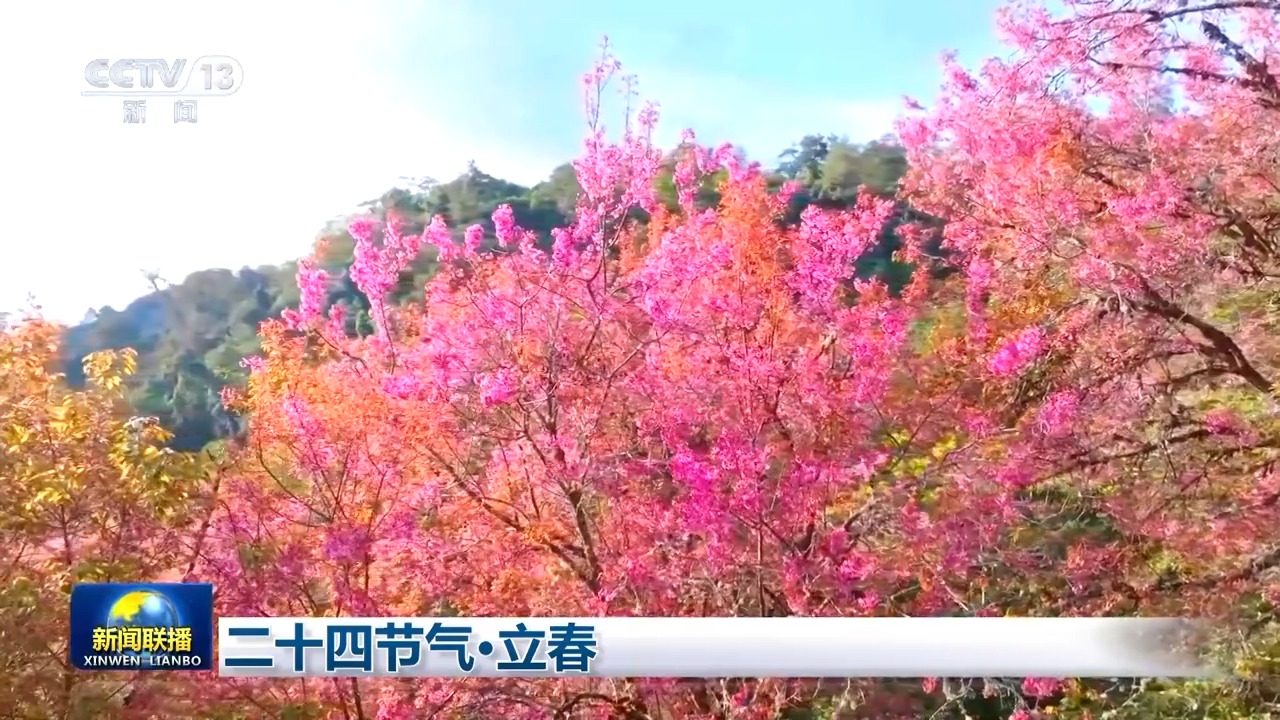
今日立春!来云南把春天吃进嘴里
Xin Lang Cai Jing· 2026-02-04 17:29
Group 1 - The arrival of spring is marked by the beginning of the solar term "Lichun," symbolizing the start of a new cycle and the awakening of nature [1][4] - Traditional customs associated with Lichun include "Da Chun" (beating the spring ox) and "Yao Chun" (biting into spring), reflecting cultural practices that celebrate the new season and the hope for a fruitful year ahead [8][6] - In Yuanjiang, the spring season is characterized by warm weather and vibrant natural scenery, showcasing the region's unique climate and agricultural practices [13][16] Group 2 - The local cuisine during Lichun in Yuanjiang features seasonal ingredients, creating a variety of dishes that highlight the flavors of spring, such as "flower and fruit banquets" [18][20] - The celebration of spring through food emphasizes the connection between seasonal changes and culinary traditions, enhancing the community's appreciation for the harvest [22][20] - The overall atmosphere during Lichun in Yuanjiang is one of joy and anticipation, as residents embrace the arrival of spring and the opportunities it brings [22][4]
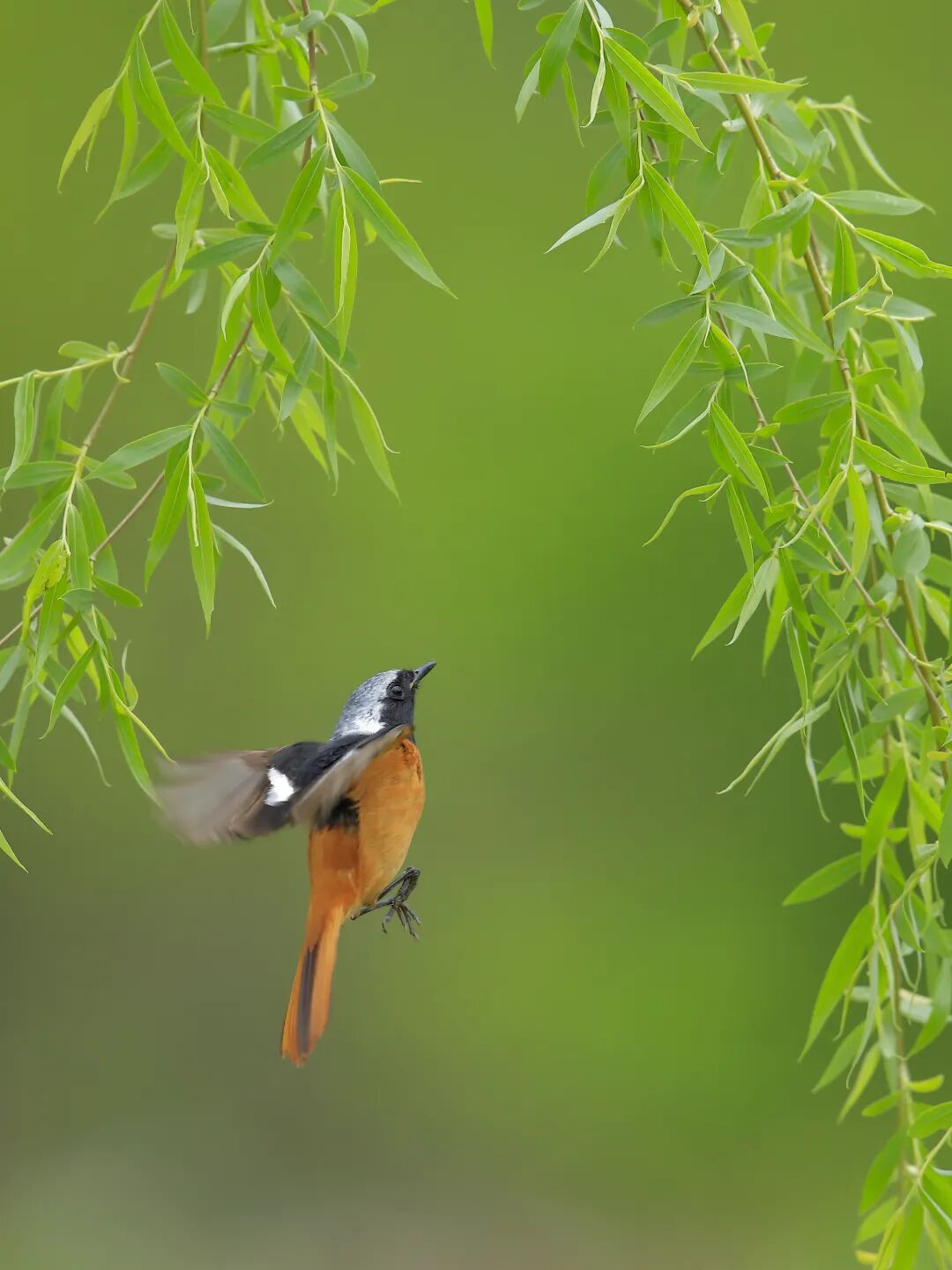
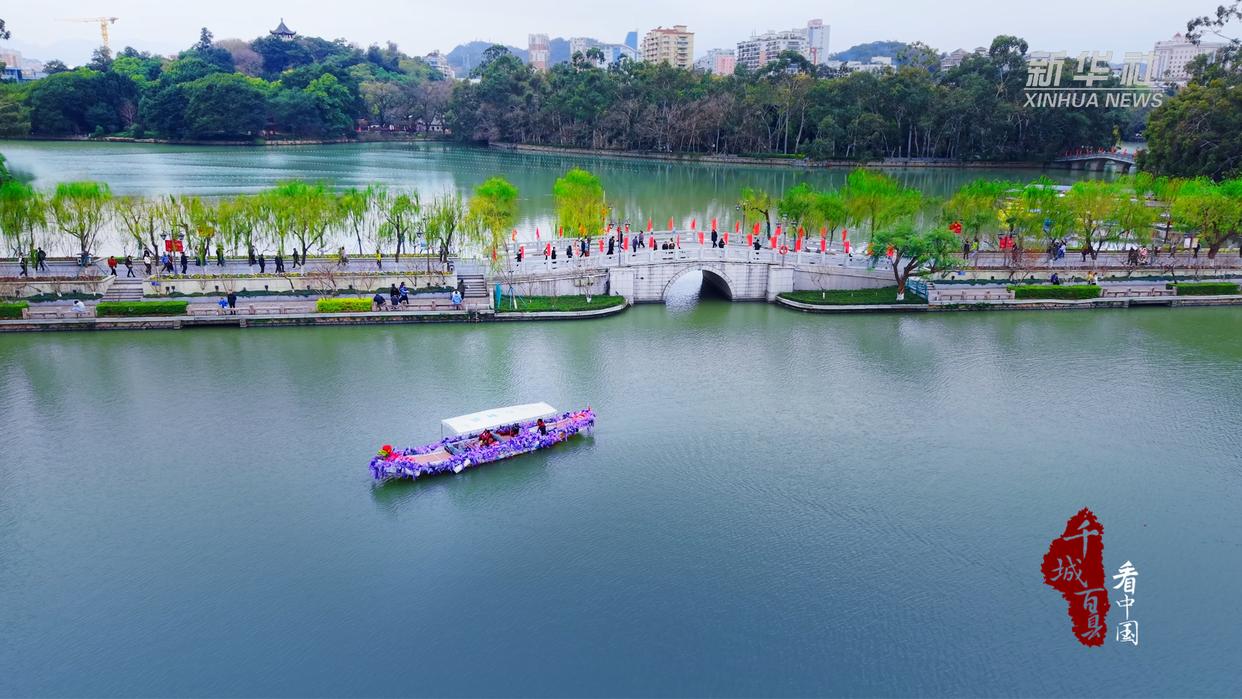
福建福州:今日立春 遇见鼓楼
Xin Lang Cai Jing· 2026-02-04 14:20
Group 1 - The arrival of spring in Fuzhou, Fujian Province, is depicted through various natural and cultural elements, highlighting the city's awakening and the warmth of life in its streets and alleys [1][3][6] - The imagery of the black swans and the vibrant colors of the flowers in the historical areas like Sanfang Qixiang reflects the rich cultural heritage and the anticipation of the local people for the new season [3][6] - The essence of spring is captured in the traditional calligraphy on red paper, symbolizing the hopes and warmth of ordinary families in the ancient city [6][8]
今或迎20年来最暖立春
Xin Lang Cai Jing· 2026-02-04 08:13
Core Viewpoint - The article discusses the weather conditions in Shanghai, highlighting an unusually warm start to spring with temperatures reaching 17°C, potentially the warmest in nearly 20 years for the beginning of spring, but warns of an imminent drop in temperature and rain [1] Weather Conditions - Shanghai is experiencing a maximum temperature of 17°C today, which may set a record for the warmest "Lichun" (Beginning of Spring) day in nearly 20 years [1] - The average temperature in Shanghai typically does not indicate the arrival of spring until around the "Jingzhe" (Awakening of Insects) solar term in mid-March [1] - The city is currently in winter, with cold air still prevalent, and "Lichun" is noted as a period with frequent frost warnings [1] Historical Context - The highest temperature recorded on "Lichun" was 20.8°C in 2004, while a cold wave brought temperatures down to -1.0°C in 2018 [1] - The warmest "Lichun" day in the last 20 years was on February 4, 2007, with a maximum temperature of 16.1°C [1] Upcoming Weather Changes - Following the warm weather, a shift to cloudy and rainy conditions is expected tomorrow, with significant rainfall anticipated at night [1] - A strong cold front will lead to a drop in temperature, with forecasts predicting daytime temperatures below 6°C on Friday, resulting in a damp and cold feeling [1] - The weekend is expected to bring clear but cold weather, with morning and evening temperatures potentially dropping below freezing, possibly setting new lows for the winter season [1]