数字化与智能化升级

Search documents
海南三亚国际免税城:重塑商业功能格局,提升国际消费体验零售业
Sou Hu Cai Jing· 2025-12-26 21:36
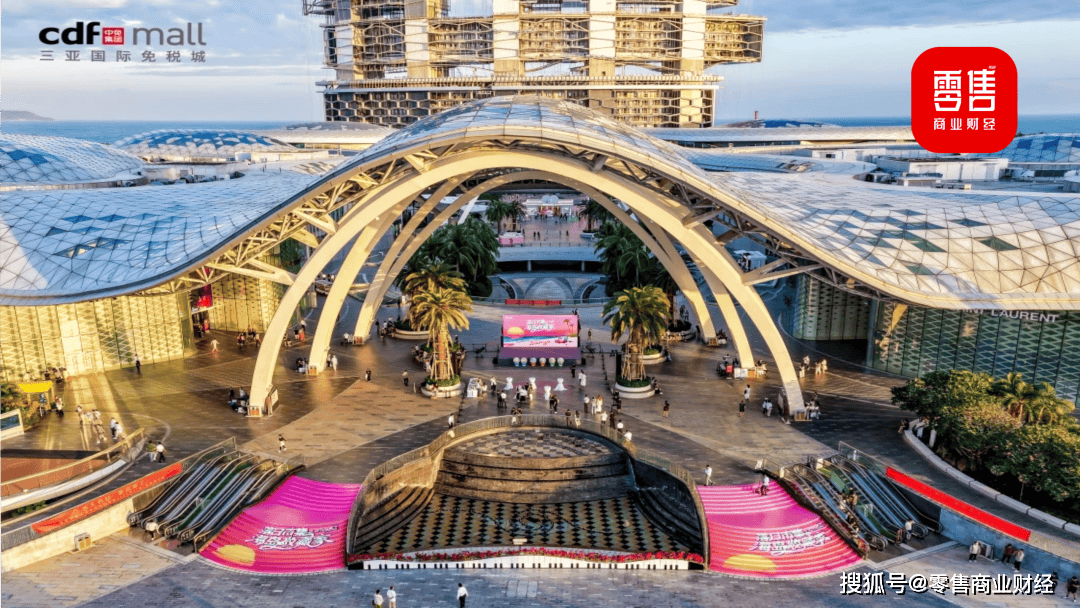
Core Viewpoint - The Sanya International Duty-Free City is undergoing a significant upgrade to become a benchmark for consumption in the Hainan Free Trade Port, leveraging its duty-free policy advantages and enhancing consumer experiences through innovative retail and service offerings [2][11]. Project Background - The Sanya International Duty-Free City was established by China Tourism Group in 2012 with an investment of 1.63 billion yuan, featuring a total construction area of 200,000 square meters and a retail area of 110,000 square meters, housing over 1,000 global brands across 45 categories [3][4]. - The project consists of two phases, with the first phase opening in September 2014 and the second phase, "Hearts Island," completed in January 2020, connecting the two phases and creating an experiential commercial district [3]. Challenges Before Renovation - The project faced issues such as a fragmented membership system, ineffective marketing strategies, and a lack of high-end luxury brand presence due to operational fragmentation and unclear market positioning [4]. Renovation Process - The renovation focused on integrating cultural, commercial, and tourism elements to drive high-quality development [5][6]. - Government support included issuing consumption vouchers and providing financial incentives to stimulate sales, while also facilitating a favorable business environment for duty-free stores [6][7]. Management and Operational Reforms - An integrated operational reform was implemented, allowing for unified management of the duty-free stores, breaking down internal barriers and establishing a foundation for coordinated marketing and membership systems [7][8]. - The project aims to attract high-end brands, with plans for multiple luxury brands to open by 2024, significantly enhancing the luxury brand matrix in the region [8]. Consumer Experience Enhancement - The project introduced various cultural and entertainment activities to enhance the shopping experience, targeting younger consumers with differentiated offerings in the second phase [9][10]. - Digital and intelligent upgrades were made to streamline shopping processes and improve customer service, including the launch of new shopping models and enhanced app functionalities [10]. Post-Renovation Outcomes - In 2024, the duty-free city achieved a sales revenue of 18.7 billion yuan, with daily sales exceeding 200 million yuan during peak periods, showcasing resilience despite a slowing market [12]. - Service quality improved significantly, with customer satisfaction rates consistently above 90%, and the project received multiple awards for excellence in service [13]. - The consumer experience was enhanced through improved connectivity between phases, promotional activities, and upgraded facilities, leading to increased customer engagement [14]. - The project has positively impacted the local tourism industry, hosting major events and collaborating with over 100 hotels and attractions, thereby enhancing the overall tourism ecosystem [15]. Innovation in Business Model - The project successfully integrated duty-free and taxable shopping, cultural tourism, and online-offline experiences, transforming into a comprehensive consumption destination [16]. - Management innovations included a unified operational model that standardized marketing and service protocols, enhancing overall efficiency [17]. - The project actively participated in policy innovations related to the Hainan Free Trade Port, facilitating the implementation of new business models and consumer incentives [18]. - A customer-centric service management system was established, focusing on high-quality service delivery and innovative customer engagement strategies [19].

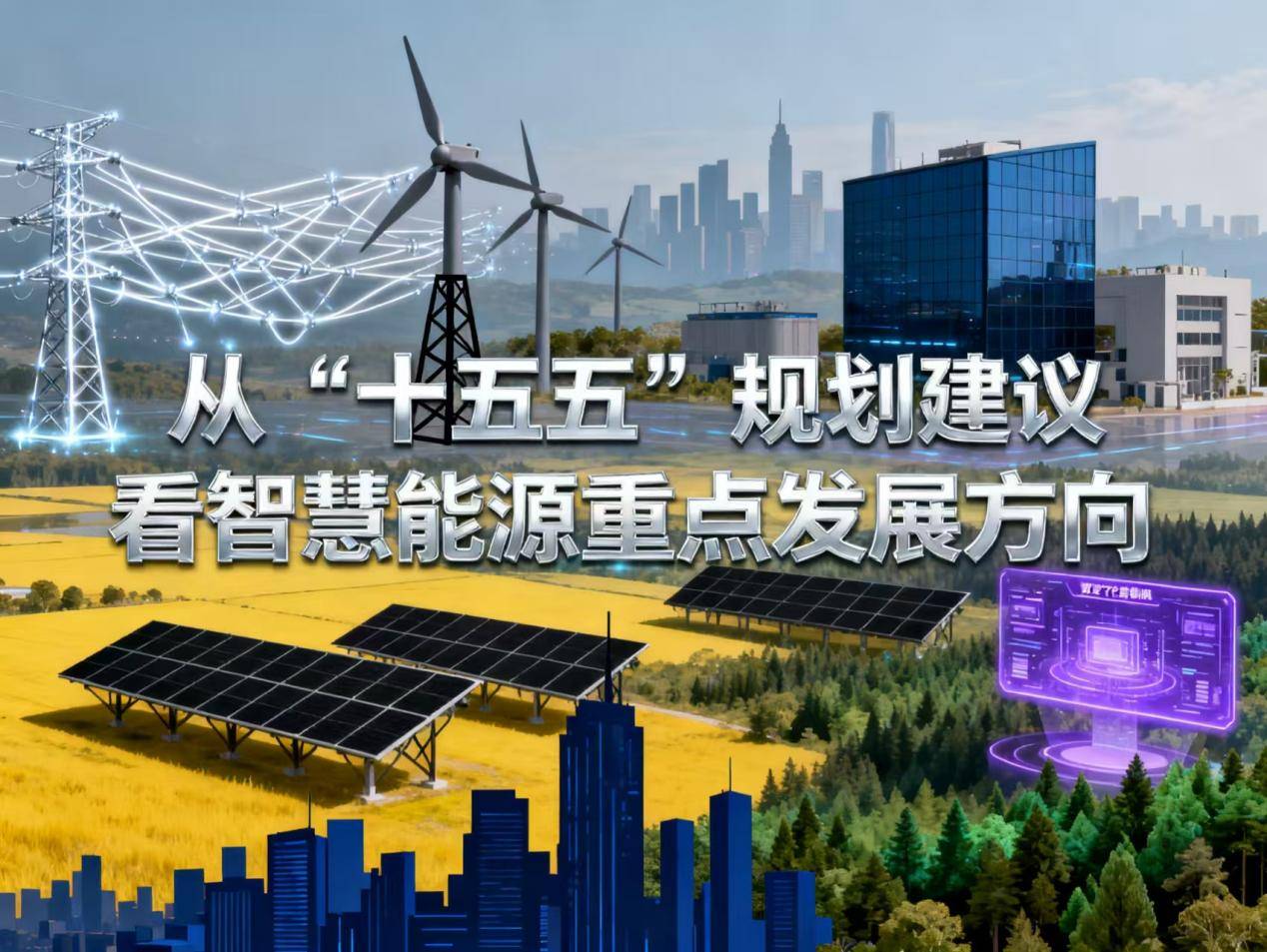
从“十五五”规划建议看智慧能源重点发展方向
Sou Hu Cai Jing· 2025-12-10 04:41
Core Viewpoint - The "14th Five-Year Plan" emphasizes the importance of energy transformation and upgrading for achieving high-quality development in China, with smart energy playing a crucial role in enhancing energy efficiency and optimizing energy structure [1][2]. Group 1: Development of New Energy - The plan highlights the need for a diversified approach to energy development, including wind, solar, hydro, and nuclear energy, to ensure high-quality development of clean energy [3]. - Smart energy systems will be utilized to achieve multi-energy complementarity, enhancing the stability and reliability of energy supply [3]. Group 2: Green and Low-Carbon Energy Consumption - The plan calls for accelerating the electrification of end-use energy, particularly in industrial, building, and transportation sectors, to promote green and low-carbon energy consumption [9]. - The development of smart energy solutions will facilitate the formation of green production and lifestyle habits, such as smart homes, green buildings, and electric vehicles [10]. Group 3: Digitalization and Intelligent Upgrade of Energy Systems - The application of big data and artificial intelligence in the energy sector is expected to improve operational efficiency and reliability through data collection and analysis [11]. - Investments will be increased in the digitalization and intelligent upgrade of energy systems during the "14th Five-Year Plan" period [11]. Group 4: Reform and Innovation in Energy Markets - The plan aims to improve energy market mechanisms, including electricity and carbon trading markets, to optimize resource allocation and enhance market vitality [16]. - Emphasis is placed on promoting energy technology innovation and industrial upgrades, with increased investment in research and development to support breakthroughs in energy technology [18]. Group 5: Overall Direction for Smart Energy Development - The "14th Five-Year Plan" outlines key development directions for smart energy, including large-scale development and efficient utilization of new energy, green low-carbon transformation of energy consumption, digitalization and intelligent upgrades of energy systems, and reform and innovation in energy markets [20]. - The plan encourages international cooperation to address global energy challenges and improve the global energy governance system [20].