数字金融博弈

Search documents
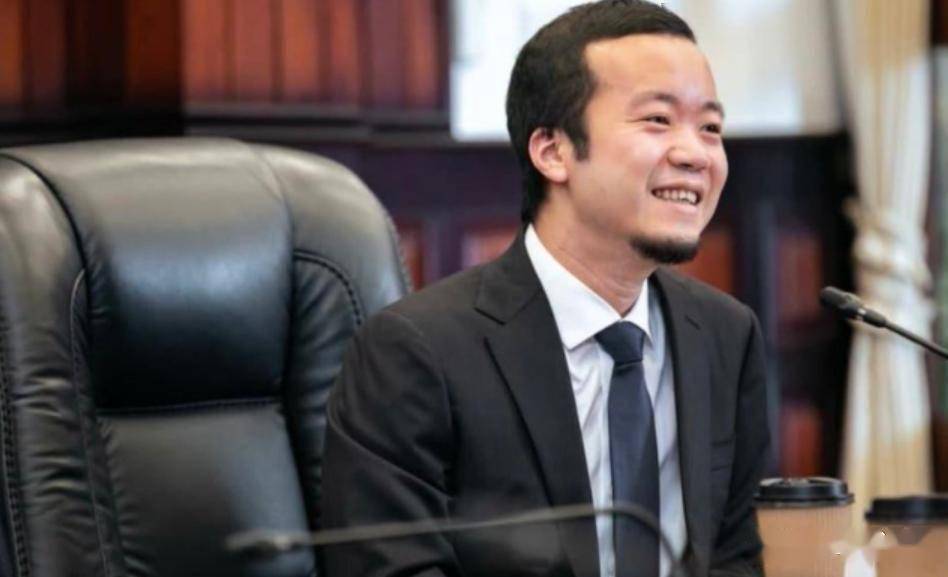
当法学邂逅漫画:吴志攀的跨界治学之路
Xin Lang Cai Jing· 2026-01-24 20:40
Core Viewpoint - The article highlights the unique intersection of law and art through the work of Professor Wu Zhipan, emphasizing his contributions to legal education and the innovative use of comics to communicate legal concepts [3][4][6]. Group 1: Academic Journey and Influence - Wu Zhipan has been associated with Peking University Law School since 1978, where he has developed his academic career from student to professor and administrator [4]. - Influenced by notable mentors, Wu emphasizes the importance of interdisciplinary knowledge in legal studies, which has shaped his teaching and research methodologies [4][5]. - His transition from scholar to administrator has provided him with a broader understanding of university management and the challenges of balancing academic and administrative responsibilities [4][5]. Group 2: Contributions to Legal Education - Wu has authored significant works in financial law, including "Commercial Bank Law" and "International Financial Law," and has initiated the "Financial Law Forum" series [6]. - He identifies the digital transformation in finance as a critical area for legal development, particularly in relation to digital currencies and their implications for cross-border transactions [6]. - Wu's course "Images and Law" represents a pioneering effort in integrating visual media into legal education, reflecting the changing landscape of evidence and communication in the digital age [6][7]. Group 3: Artistic Expression and Legal Themes - Wu utilizes comics as a medium to convey legal ideas, believing that they can effectively communicate complex thoughts and engage a wider audience [7]. - His comic works, such as "The Story of Campus Cats," resonate with students and alumni, showcasing the emotional connection and shared experiences within the academic community [7]. - The integration of legal themes into his artistic creations demonstrates the relevance of law in everyday life and various professions, reinforcing the idea that law permeates all aspects of society [7].


近13万枚比特币,约150亿美元,从杀猪盘和强迫劳动园区里榨出来的血汗钱,一把被美国充公了
Sou Hu Cai Jing· 2025-10-20 21:09
Core Viewpoint - The article discusses the implications of the U.S. Department of Justice's seizure of approximately 127,000 bitcoins, valued at $15 billion, from a Cambodian fraud operation led by Chen Zhi, highlighting the complexities of international law and asset recovery in cases of cross-border fraud [3][5][6]. Group 1: Fraud Operation Details - The Cambodian Prince Group, led by Chen Zhi, is accused of establishing a fraud park in Sihanoukville, using forced labor and online scams to defraud global investors, generating daily profits of $30 million [3][5]. - The operation involved the use of thousands of mobile phones to execute scams, with the proceeds converted into bitcoin and laundered through various wallets, ultimately leading to the U.S. seizure [3][6]. Group 2: Asset Seizure and Recovery - The U.S. has claimed it will attempt to return the seized assets to victims, but there is no clear plan for how this will be executed, and past cases suggest that most funds may be treated as state assets [5][6]. - The U.S. currently holds over 210,000 bitcoins, and the recent seizure has increased its reserves by nearly 40%, indicating a strategic accumulation of digital assets [6]. Group 3: International Legal Implications - The article raises concerns about the unilateral nature of U.S. laws, which allow for asset freezing without international consensus, potentially affecting other countries and individuals in the future [8]. - It emphasizes the need for China to strengthen judicial cooperation with Southeast Asian nations and establish mechanisms for asset recovery to avoid being passive in cross-border fraud cases [8].