
数据荒

Search documents
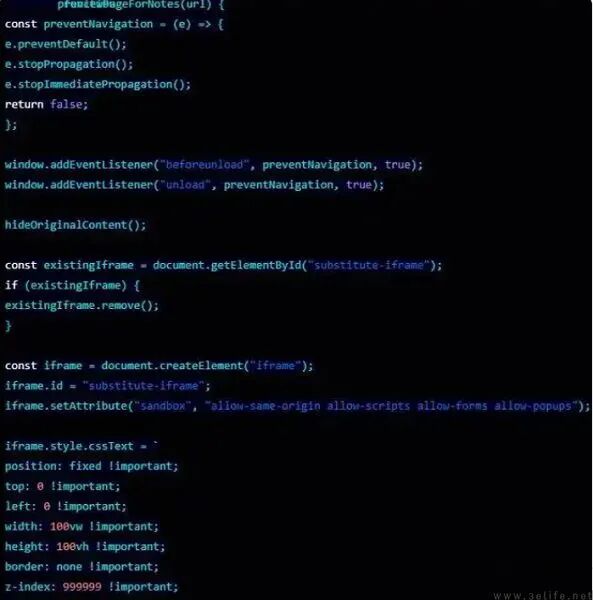
还敢用吗,超过一半的AI插件正悄悄收集你的隐私
3 6 Ke· 2026-02-09 03:10
Core Insights - The article highlights the privacy risks associated with AI plugins, revealing that over half of the sampled Chrome AI plugins collect user data, with nearly one-third targeting personally identifiable information (PII) [1][3]. Group 1: AI Plugin Data Collection - A study by Incogni analyzed 442 AI-labeled plugins, finding that many use scripting permissions to access user input and alter webpage content [3]. - High-risk categories include programming assistants, math tools, meeting assistants, and voice transcription plugins, with notable examples being Grammarly and Quillbot [3]. - The current trend in AI deployment relies heavily on cloud services, making AI plugins a convenient way for users to access AI capabilities without complex installations [3]. Group 2: Data Scarcity and AI Development - The article discusses a looming "data drought" for AI companies, with predictions that high-quality text data on the internet will be exhausted by 2028, and machine learning datasets may run out by 2026 [5]. - The reliance on synthetic data has emerged as a solution, but it has proven inadequate in practical applications, leading to issues like underfitting and model failures [5]. - Media and content platforms are becoming aware of the value of their data, leading to legal battles with AI companies over data usage rights [5]. Group 3: Privacy Concerns and User Choices - The article raises concerns about the lack of regulation for browser plugins compared to stricter app stores, allowing malicious plugins to bypass oversight [7]. - AI plugins are primarily distributed through personal blogs, AI community links, and GitHub, as developers prioritize efficiency over regulatory compliance [9]. - Users face a dilemma of whether to trade privacy for convenience, with over 50% of AI plugins collecting user data, making it a widespread issue [12].

美联储决策与市场,数据真空下的降息迷局
Sou Hu Cai Jing· 2025-11-18 08:41
Core Viewpoint - The expectation for a Federal Reserve interest rate cut in December has fluctuated dramatically, influenced by a "data drought" caused by a government shutdown, leaving the Fed in a challenging position with limited economic data to inform its decisions [1][3]. Group 1: Economic Data Impact - The current market confusion stems from a lack of essential economic data, with only September and November non-farm payroll data available before the December FOMC meeting, while critical CPI inflation readings are missing [3]. - Morgan Stanley predicts that inflation and consumer spending data for October will not be released in time, while UBS warns that the absence of October CPI data could lead to significant distortions in subsequent months' inflation figures [3]. Group 2: Employment Data Significance - Employment data has become the sole lifeline for interest rate cut decisions, with expectations that negative job growth in November and a rise in unemployment above 4.4% could drive the Fed to cut rates in December [4]. - In the absence of hard data, statements from Fed officials have taken precedence, with some supporting rate cuts due to concerns over a weak labor market, while others caution that strong economic growth may hinder price declines [4]. Group 3: Market Dynamics - The next two weeks are critical for market dynamics, with alternative data, institutional assessments, and public statements from officials likely to influence expectations [6]. - The lack of solid data creates a volatile environment, with the Fed facing pressures for easing due to labor market weakness while lacking clear evidence of controlled inflation, leading to a "dilemma" in policy-making [6].

“数据之王”非农也将停摆,华尔街迎来最清闲的周五
Jin Shi Shu Ju· 2025-10-03 12:08
Group 1 - The U.S. government shutdown has led to the suspension of key economic data releases, including the non-farm payroll report, causing a quiet trading environment [2][3] - Analysts express concerns about the potential impact of a prolonged data drought on trading strategies, particularly in commodities [3] - Despite the government shutdown, the S&P 500 index has shown resilience, with a year-to-date increase of 14% and multiple record highs [3][4] Group 2 - Analysts predict an 8.8% year-over-year growth in S&P 500 companies' earnings for Q3, surpassing earlier forecasts [4] - The market is entering a traditionally strong fourth quarter, with historical data indicating an average increase of 2.9% for the S&P 500 during this period [4] - Market fundamentals remain supported by seasonal trends, potential interest rate cuts, and strong market momentum, leading to continued stock accumulation strategies [4]