文化产业数智化

Search documents
学习时报:打造数字文化消费新引擎
Xin Lang Cai Jing· 2026-02-07 23:55
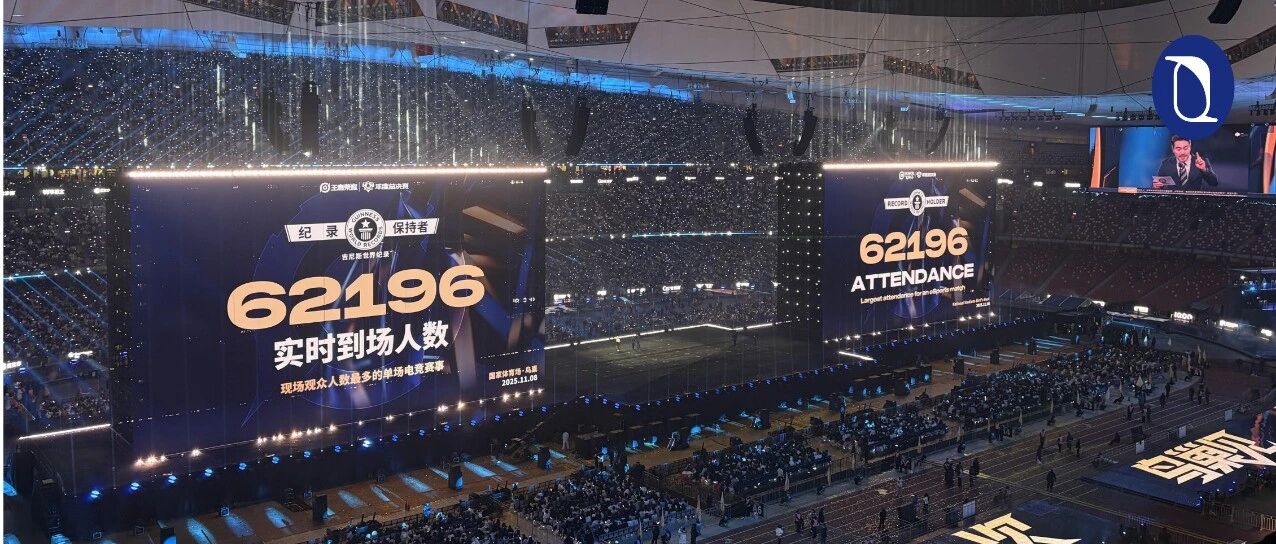
Core Insights - The digital cultural consumption in China is rapidly accelerating, driven by technological innovations such as the internet, AI, and virtual reality, which cater to the younger generation's demand for transformed consumption experiences [1][2] - By 2024, the revenue from 16 categories of new cultural formats in China's digital cultural industry is expected to exceed 6.67 trillion yuan, with a growth rate of 12.4% [2] - The average cultural and entertainment spending per capita for Chinese residents reached 955 yuan, marking a 67.8% increase since 2020 [2] Group 1: Digital Cultural Industry Growth - The digital cultural industry is characterized by strong internal development momentum, a long industrial chain, and the integration of online and offline consumption [3] - By 2025, the economic scale of China's gaming and related industries is projected to exceed 1.225 trillion yuan, with domestic game market revenues and self-developed game exports reaching 497.2 billion yuan [3] - The 2025 global finals of "Honor of Kings" in Beijing saw over 130,000 ticket reservations, selling out in 12 seconds, and attracting 62,196 live spectators, breaking Guinness World Records [3] Group 2: Factors Driving Digital Cultural Consumption - The rise in digital cultural consumption is linked to the transition of China's economy from material-based to service-oriented consumption, particularly as the per capita GDP surpasses $10,000 [4] - The Chinese government has emphasized the need to stimulate cultural innovation and digital transformation, providing policy guidance to boost digital cultural consumption [4] Group 3: Cultural IP and Cross-Industry Expansion - Numerous evergreen cultural products have emerged, with cross-industry adaptations based on cultural IP, significantly expanding the industry ecosystem [5] - The market size for China's online literature reading is expected to reach 43.06 billion yuan by 2024, with the IP adaptation market being nearly seven times larger than the online literature reading market [5] - Games have become a new source of cultural IP, with adaptations like "Honor of Kings" and "League of Legends" gaining significant popularity [5] Group 4: Technological Integration in Cultural Consumption - The integration of technologies such as AI and virtual reality is revolutionizing cultural creation, interaction, and consumption, leading to an expansion of digital cultural consumption [6] - By 2025, the domestic gaming market is projected to be six times larger than the film box office, with self-developed game exports exceeding $20 billion [6] - Young consumers are increasingly engaging in content creation and consumption through social networks, transforming cultural consumption into a means of identity expression and emotional connection [6] Group 5: Recommendations for Enhancing Digital Cultural Consumption - To optimize cultural product supply and enhance consumer experience, it is essential to build digital cultural creation and production bases, focusing on the development of high-quality content [7] - New technologies should be leveraged to improve content creation efficiency and support the development of new cultural formats, catering to the fragmented and immersive consumption needs of the younger generation [7] - The creation of integrated online and offline consumption scenarios is encouraged, focusing on multi-industry fusion around cultural IP to develop immersive and interactive consumer experiences [8]
打造数字文化消费新引擎
腾讯研究院· 2026-02-06 08:04
Core Viewpoint - The article emphasizes the rapid growth of digital cultural consumption in China, driven by technological innovations such as the internet, AI, and virtual reality, which cater to the changing consumption preferences of the younger generation [2][4]. Group 1: Digital Cultural Consumption Growth - China is transitioning from a middle-income to a high-income country, a phase that typically accelerates cultural industry development, with digital cultural consumption expected to reach 6.67 trillion yuan in 2024, growing at 12.4% [4]. - Per capita cultural and entertainment spending among Chinese residents reached 955 yuan, a 67.8% increase since 2020, reflecting a shift from material to service-oriented consumption [4]. - The digital cultural industry is experiencing robust growth, with significant contributions from successful cultural products like games and films, which have gained global recognition [4][5]. Group 2: Factors Driving Digital Cultural Consumption - International experience suggests that cultural consumption becomes a major economic growth driver when per capita GDP exceeds $10,000, aligning with China's current economic trajectory [7]. - The Chinese government has provided policy guidance to stimulate digital cultural consumption through cultural innovation and the development of new cultural business models [7]. - The emergence of evergreen cultural products and cross-industry adaptations has expanded the digital cultural consumption ecosystem, with the IP adaptation market significantly outpacing the reading market [8]. Group 3: Technological Integration in Cultural Consumption - The integration of technologies like AI and virtual reality is revolutionizing cultural creation and consumption, lowering barriers for public participation in content creation [9]. - The gaming industry has become a primary source of cultural IP, with significant market potential, as evidenced by the projected 2025 domestic game market size being six times that of the film box office [9]. - Young consumers are increasingly engaging in interactive and participatory cultural experiences, transforming content consumption into a means of identity expression and emotional connection [9]. Group 4: Recommendations for Enhancing Digital Cultural Consumption - To boost digital cultural consumption, there is a need to enhance the supply of quality content and establish digital cultural creation and production bases [11]. - Utilizing new technologies to improve consumer experiences and developing immersive cultural scenes from static resources can attract a broader audience [11][12]. - Creating integrated online and offline consumption scenarios around popular cultural IPs can foster new business models and enhance consumer engagement [12].