数字文化消费

Search documents
学习时报:打造数字文化消费新引擎
Xin Lang Cai Jing· 2026-02-07 23:55
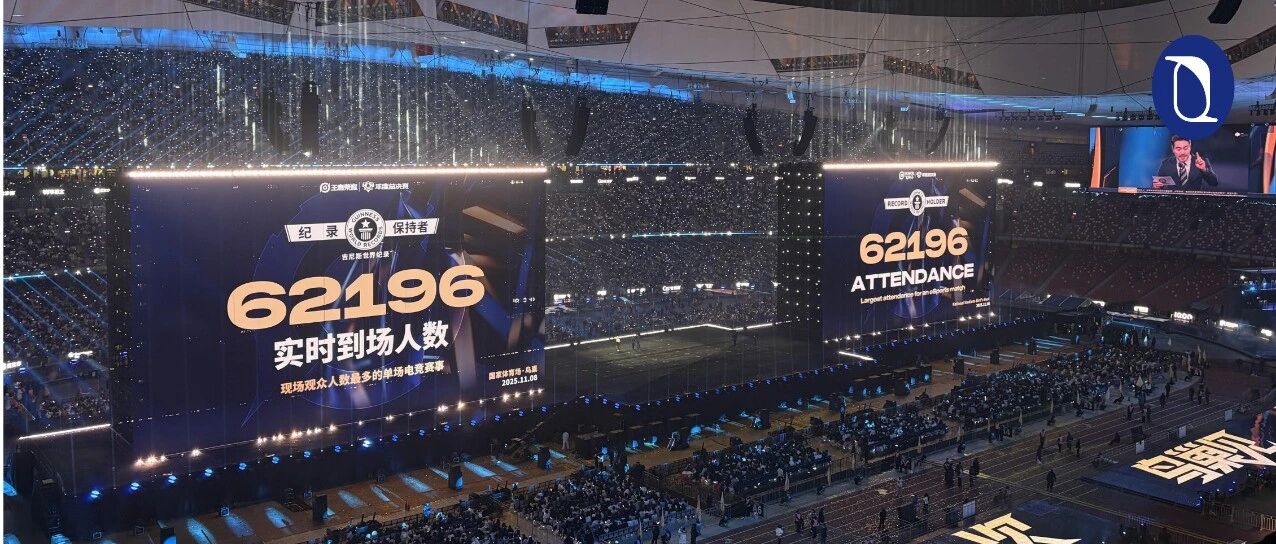
Core Insights - The digital cultural consumption in China is rapidly accelerating, driven by technological innovations such as the internet, AI, and virtual reality, which cater to the younger generation's demand for transformed consumption experiences [1][2] - By 2024, the revenue from 16 categories of new cultural formats in China's digital cultural industry is expected to exceed 6.67 trillion yuan, with a growth rate of 12.4% [2] - The average cultural and entertainment spending per capita for Chinese residents reached 955 yuan, marking a 67.8% increase since 2020 [2] Group 1: Digital Cultural Industry Growth - The digital cultural industry is characterized by strong internal development momentum, a long industrial chain, and the integration of online and offline consumption [3] - By 2025, the economic scale of China's gaming and related industries is projected to exceed 1.225 trillion yuan, with domestic game market revenues and self-developed game exports reaching 497.2 billion yuan [3] - The 2025 global finals of "Honor of Kings" in Beijing saw over 130,000 ticket reservations, selling out in 12 seconds, and attracting 62,196 live spectators, breaking Guinness World Records [3] Group 2: Factors Driving Digital Cultural Consumption - The rise in digital cultural consumption is linked to the transition of China's economy from material-based to service-oriented consumption, particularly as the per capita GDP surpasses $10,000 [4] - The Chinese government has emphasized the need to stimulate cultural innovation and digital transformation, providing policy guidance to boost digital cultural consumption [4] Group 3: Cultural IP and Cross-Industry Expansion - Numerous evergreen cultural products have emerged, with cross-industry adaptations based on cultural IP, significantly expanding the industry ecosystem [5] - The market size for China's online literature reading is expected to reach 43.06 billion yuan by 2024, with the IP adaptation market being nearly seven times larger than the online literature reading market [5] - Games have become a new source of cultural IP, with adaptations like "Honor of Kings" and "League of Legends" gaining significant popularity [5] Group 4: Technological Integration in Cultural Consumption - The integration of technologies such as AI and virtual reality is revolutionizing cultural creation, interaction, and consumption, leading to an expansion of digital cultural consumption [6] - By 2025, the domestic gaming market is projected to be six times larger than the film box office, with self-developed game exports exceeding $20 billion [6] - Young consumers are increasingly engaging in content creation and consumption through social networks, transforming cultural consumption into a means of identity expression and emotional connection [6] Group 5: Recommendations for Enhancing Digital Cultural Consumption - To optimize cultural product supply and enhance consumer experience, it is essential to build digital cultural creation and production bases, focusing on the development of high-quality content [7] - New technologies should be leveraged to improve content creation efficiency and support the development of new cultural formats, catering to the fragmented and immersive consumption needs of the younger generation [7] - The creation of integrated online and offline consumption scenarios is encouraged, focusing on multi-industry fusion around cultural IP to develop immersive and interactive consumer experiences [8]
打造数字文化消费新引擎
腾讯研究院· 2026-02-06 08:04
Core Viewpoint - The article emphasizes the rapid growth of digital cultural consumption in China, driven by technological innovations such as the internet, AI, and virtual reality, which cater to the changing consumption preferences of the younger generation [2][4]. Group 1: Digital Cultural Consumption Growth - China is transitioning from a middle-income to a high-income country, a phase that typically accelerates cultural industry development, with digital cultural consumption expected to reach 6.67 trillion yuan in 2024, growing at 12.4% [4]. - Per capita cultural and entertainment spending among Chinese residents reached 955 yuan, a 67.8% increase since 2020, reflecting a shift from material to service-oriented consumption [4]. - The digital cultural industry is experiencing robust growth, with significant contributions from successful cultural products like games and films, which have gained global recognition [4][5]. Group 2: Factors Driving Digital Cultural Consumption - International experience suggests that cultural consumption becomes a major economic growth driver when per capita GDP exceeds $10,000, aligning with China's current economic trajectory [7]. - The Chinese government has provided policy guidance to stimulate digital cultural consumption through cultural innovation and the development of new cultural business models [7]. - The emergence of evergreen cultural products and cross-industry adaptations has expanded the digital cultural consumption ecosystem, with the IP adaptation market significantly outpacing the reading market [8]. Group 3: Technological Integration in Cultural Consumption - The integration of technologies like AI and virtual reality is revolutionizing cultural creation and consumption, lowering barriers for public participation in content creation [9]. - The gaming industry has become a primary source of cultural IP, with significant market potential, as evidenced by the projected 2025 domestic game market size being six times that of the film box office [9]. - Young consumers are increasingly engaging in interactive and participatory cultural experiences, transforming content consumption into a means of identity expression and emotional connection [9]. Group 4: Recommendations for Enhancing Digital Cultural Consumption - To boost digital cultural consumption, there is a need to enhance the supply of quality content and establish digital cultural creation and production bases [11]. - Utilizing new technologies to improve consumer experiences and developing immersive cultural scenes from static resources can attract a broader audience [11][12]. - Creating integrated online and offline consumption scenarios around popular cultural IPs can foster new business models and enhance consumer engagement [12].

数读20256组数据透视消费市场活力涌动
Ren Min Wang· 2026-01-28 07:39
Group 1 - The core viewpoint highlights the significant growth in various sectors of cultural and tourism consumption, indicating a revitalization of consumer activity [2][3][4][5][9] - Revenue from artistic creation and performance sales increased by 17.3% year-on-year [2] - Sales revenue from travel agencies and related services, scenic spots, and leisure sightseeing activities grew by 11.2%, 26.1%, and 14.69% respectively [3] Group 2 - New consumption patterns are emerging, with internet life service platforms and food delivery sales increasing by 9.4% and 13.3% year-on-year [4] - Digital cultural consumption, represented by gaming and animation, shows significant potential with a 16.69% increase in sales revenue [4] - Health-related consumption is becoming a new hotspot, with sales revenue from health management, wellness services, and sports health services growing by 11.7%, 12%, and 16.5% respectively [5] Group 3 - The demand for elderly care, social assistance, and nursing home services is on the rise, indicating a sustained release of consumption potential [6] - The revenue from nursery services increased by 5.4% year-on-year, reflecting the ongoing development of childcare service systems [7] Group 4 - There is a continuous expansion of inbound consumption, with the number of outbound travelers eligible for tax refunds increasing by 305% year-on-year [9] - The sales volume of tax refund goods rose by 95.9%, and the total tax refund amount increased by 95.8% [9] - The number of regions implementing new tax refund policies has increased, with 12,930 stores offering tax refund services, including over 7,000 providing "buy and refund immediately" services [9]
税收数据显示:2025年“一老一小”消费潜力持续释放
Zhong Guo Qing Nian Bao· 2026-01-27 09:54
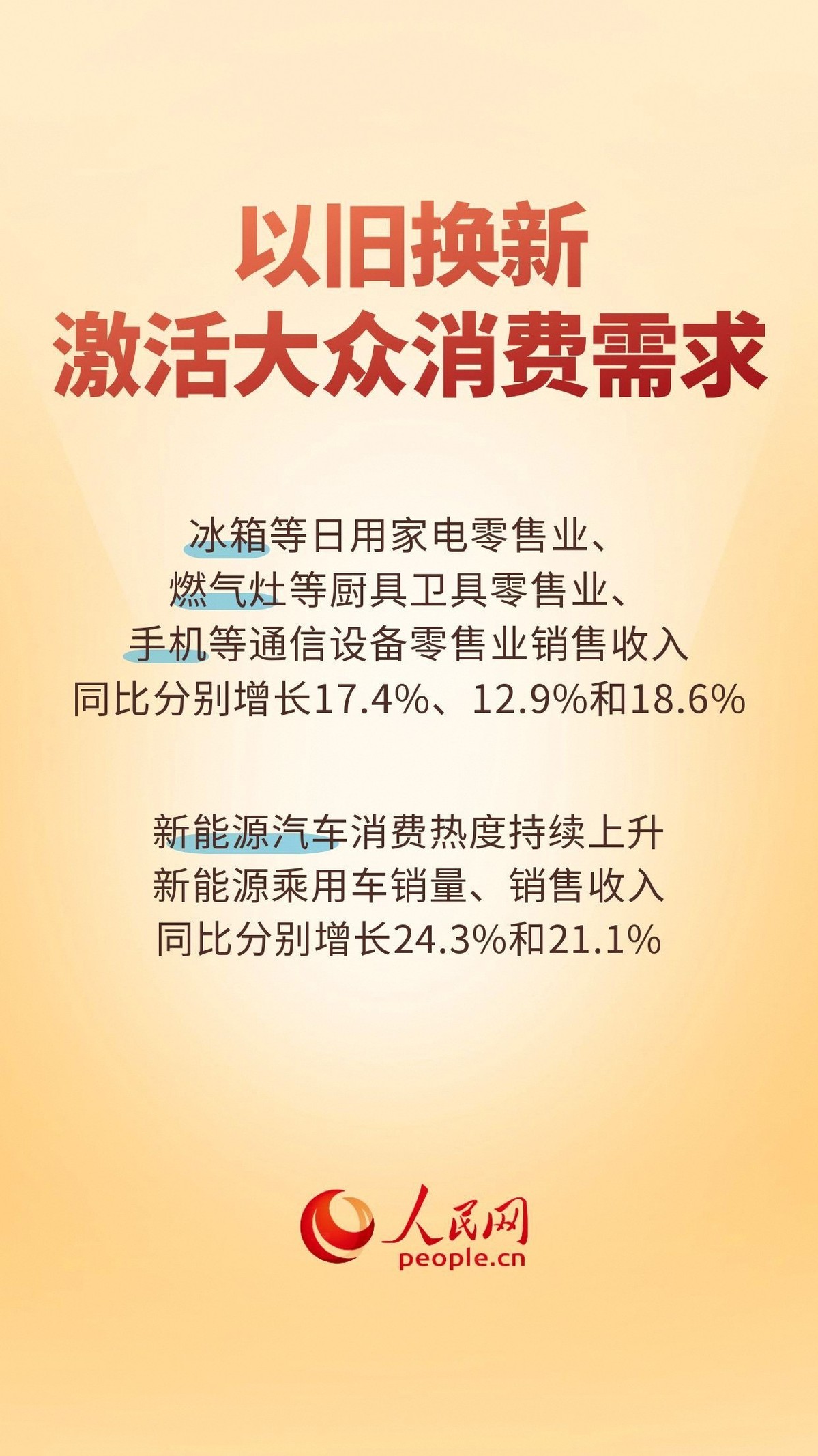
Core Insights - The 2025 consumption market in China is expected to showcase multiple new highlights, including strong demand in home appliances, smartphones, and new energy vehicles, driven by innovative consumption models and the potential of the elderly demographic [1][2][3] Group 1: Consumer Goods - Retail sales of daily household appliances, such as refrigerators, are projected to grow by 17.4%, while kitchen appliances and communication devices are expected to see increases of 12.9% and 18.6% respectively [1] - Sales of new energy passenger vehicles are anticipated to rise by 24.3% in volume and 21.1% in revenue, indicating a sustained interest in this sector [1] Group 2: Cultural and Tourism Consumption - The integration of culture and tourism is expected to ignite new consumption vitality, with sales in cultural performances projected to increase by 17.3% [1] - Revenue from travel agencies and related services is expected to grow by 11.2%, while scenic spots and leisure activities are projected to see increases of 26.1% and 14.6% respectively [1] Group 3: Elderly and Childcare Services - Consumption in elderly care services is expected to grow significantly, with nursing and social care services projected to increase by 24.9% and 23.1% respectively [2] - Childcare services, particularly nursery services, are also expected to see a growth of 5.4% [2] Group 4: Technology and Digital Services - The integration of AI and VR technologies into daily life is expected to enhance diverse consumer needs, with internet life service platforms and food delivery services projected to grow by 9.4% and 13.3% respectively [2] - Digital cultural services, including gaming and animation, are anticipated to see a revenue increase of 16.6% [2] Group 5: Inbound Tourism and Shopping - Measures to optimize the shopping experience for inbound tourists are expected to yield significant results, with the number of tourists handling tax refunds projected to increase by 305% [2] - Sales of tax refund goods are expected to rise by 95.9%, with the total tax refund amount increasing by 95.8% [2][3]
最新税收大数据出炉,3000亿“国补”显成效
Di Yi Cai Jing· 2026-01-26 04:36
Core Viewpoint - The "National Subsidy" program has shown significant effectiveness in stimulating consumer demand, particularly in the retail sectors of household appliances, communication devices, and new energy vehicles, with substantial sales growth reported in 2025 [2][3][4]. Group 1: National Subsidy Program Impact - In 2025, the "National Subsidy" program led to a notable increase in retail sales, with refrigerators, kitchen appliances, and communication devices experiencing year-on-year sales growth of 17.4%, 12.9%, and 18.6% respectively [2] - The sales of new energy passenger vehicles also surged, with a 24.3% increase in sales volume and a 21.1% increase in sales revenue compared to the previous year [2] - The program is projected to drive related sales to reach 2.61 trillion yuan, benefiting approximately 366 million people [2] Group 2: Adjustments and Future Plans - The scope and intensity of the "National Subsidy" program will continue in 2026, including a range of products such as cars, refrigerators, washing machines, televisions, air conditioners, and various smart devices [3] - A special long-term government bond of 625 billion yuan has been allocated to support the "National Subsidy" funding plan for 2026 [3] Group 3: Emerging Consumer Trends - There is a strong growth in digital cultural consumption, with a 16.6% increase in sales revenue in 2025, particularly in gaming and animation sectors [3] - The aging population is driving demand in elder care services, with significant growth rates of 24.9% in elder care, 23.1% in social care, and 15.4% in nursing home services [3] - The number of outbound travelers benefiting from tax refunds has increased by 305%, with sales and tax refund amounts also showing substantial growth [3]
关注影视ETF(516620)投资机会,市场关注票房结构分化与行业转型
Mei Ri Jing Ji Xin Wen· 2026-01-13 06:12
Group 1 - The core viewpoint is that the AI application and domestic demand will continue to drive growth in the media industry, particularly in digital marketing, e-commerce, content, and experience economy by 2026 [1] - The digital marketing sector is leveraging GEO (Generative Engine Optimization) technology as a new optimization method in the AI era, enhancing visibility and ranking in generative AI search results to attract precise traffic, with companies like BlueFocus already positioning themselves [1] - The film industry is set to benefit from high-quality visual blockbusters, with the 2026 Spring Festival already scheduled for films like "Fast Life 3," which is expected to stimulate viewing demand due to a high revenue-sharing ratio in theaters [1] Group 2 - The micro-short drama market is projected to reach a scale of 67.79 billion yuan by 2025, surpassing the box office revenue of films during the same period, thus becoming a major force in digital cultural consumption [1] - The comic drama market is also experiencing explosive growth, with over 75.7 billion views on Douyin throughout the year, and it is expected to exceed a scale of 20 billion yuan [1] - The film ETF (516620) tracks the CSI Film Index (930781), which selects listed companies involved in film production, distribution, and screening from the A-share market, reflecting the overall performance of the film and entertainment industry [2]
VR沉浸展、1:1复刻的莫高窟 “五一”你到北京打卡了吗?
Yang Shi Xin Wen· 2025-05-06 05:24
Group 1: Digital Cultural Consumption Trends - The cultural consumption market in Beijing is thriving during the "May Day" holiday, with new cultural performances and digital consumption experiences attracting consumers [1][6] - A newly launched VR cinema in the 798 Art District has drawn many young consumers, offering immersive experiences through advanced technology [1][3] Group 2: VR Experience and Engagement - The VR immersive exhibition features stunning visual arts and surround sound, providing consumers with a refreshing experience [3] - Visitors can engage in a 30-minute underwater adventure with a VR headset, exploring various themes across five exhibition halls [4] Group 3: Visitor Engagement and Economic Impact - The 798 Art District experienced a significant increase in visitor numbers during the holiday, with an average of approximately 60,000 visitors per day [6] - The "May Day" holiday saw the introduction of first-time stores and exhibitions, contributing to a surge in consumer activity [6] Group 4: Cultural Exhibitions and Experiences - The "Like Dunhuang" exhibition in Beijing features a 1:1 replica of the Mogao Caves, providing a unique cultural experience without traveling to Gansu [8][10] - The exhibition includes intricate designs and original sculptures from the Tang Dynasty, creating an immersive cultural visual feast for visitors [8][10] Group 5: Visitor Statistics and Future Plans - The "Like Dunhuang" exhibition attracted over 10,000 visitors in just five days during the holiday, with plans for the exhibition to continue until October [11]

“五一”假期各地消费市场繁荣活跃 多业态“混搭”激发消费新活力
Yang Shi Wang· 2025-05-06 02:56
Group 1 - The core viewpoint of the news is that the consumption market in China was vibrant during the "May Day" holiday, with significant year-on-year growth in retail and catering sales [1][5][14] - National key retail and catering enterprises saw a sales increase of 6.3% year-on-year during the holiday [1] - The automotive trade-in subsidy applications exceeded 3 million, with new car sales driven by these applications reaching 8.8 billion [3] Group 2 - Sales of home appliances, automobiles, and communication equipment monitored by the Ministry of Commerce increased by 15.5%, 13.7%, and 10.5% year-on-year, respectively [5] - The sales of smart home products on e-commerce platforms grew by over 20% year-on-year [5] - The catering sector experienced an 8.7% increase in sales during the holiday [5] Group 3 - In Beijing, the cultural consumption market thrived, with new cultural performances and digital consumption experiences attracting consumers [8][10] - The 798 Cultural Park in Beijing saw an average daily visitor count of about 60,000 during the holiday [12] - Shanghai's online and offline consumption totaled 59.46 billion, marking a 13.1% year-on-year increase [15] Group 4 - In Shanghai, the number of visitors to monitored commercial districts reached 29.93 million, a 12.8% increase year-on-year [15] - The consumption from foreign visitors in Shanghai reached 455 million, a 211.6% increase [17] - The restaurant sector in Shanghai benefited from consumption vouchers, leading to a total of 7.99 million in restaurant sales [17] Group 5 - In Chongqing, the total consumption during the holiday increased by 6.5% year-on-year, with major commercial districts seeing a 9.2% growth [19] - The restaurant industry in Chongqing reported a 7.7% increase in revenue compared to last year [19] - In Shaanxi, the tourism sector thrived, with a 10.08% increase in visitors to monitored scenic spots [21] Group 6 - The performing arts market in Shaanxi saw a significant increase, with 2,445 performances, a 155.48% rise year-on-year [23] - Nighttime economy in Shaanxi's cultural tourism areas attracted 4.82 million visitors, achieving a revenue increase of 20.53% [23]