
文化共创

Search documents
马年文创爆款频出, 年轻人热衷为“情绪共鸣”买单
Xin Hua Wang· 2026-01-28 00:16
Core Insights - The surge in demand for "emotionally resonant" cultural products, particularly the "crying horse" and "Ma Biao Biao," reflects a growing trend among young consumers who are willing to pay for emotional value [1][2][6] Group 1: Product Popularity - The "crying horse" saw a 300% increase in orders within three days due to its unique design and emotional appeal, transforming from a "laughing horse" to a viral sensation [1] - The "Ma Biao Biao" product has gained popularity for its casual and relatable design, resonating with young consumers' desire for authenticity and emotional connection [2][3] - The "green horse" plush toy from Gansu Museum also became a hit, selling approximately 20,000 units in its first week, showcasing the trend of "emotion horses" as market leaders [4] Group 2: Consumer Behavior - Young consumers express a preference for products that reflect their emotional states, as seen in testimonials from buyers who find comfort and companionship in these items [2][6] - The emotional value of these products serves as a means for consumers to release stress and connect with their feelings, indicating a shift towards emotional consumption [5][6] Group 3: Cultural Co-Creation - The success of these products is attributed to cultural co-creation, where consumers actively participate in shaping the narrative and meaning of the products through social media and personal experiences [5][6] - The design process for these products emphasizes emotional resonance and relatability, moving away from traditional notions of perfection in cultural products [3][5] Group 4: Market Trends - The emotional consumption market in China is projected to exceed 2 trillion yuan by 2025, highlighting the increasing importance of emotional value in consumer purchasing decisions [6] - The production of these culturally resonant products is adapting to meet demand, with increased workforce and production capabilities to keep up with popularity [6][7]
卡萨帝官宣与敦煌博物馆达成合作
Sou Hu Wang· 2026-01-14 09:44
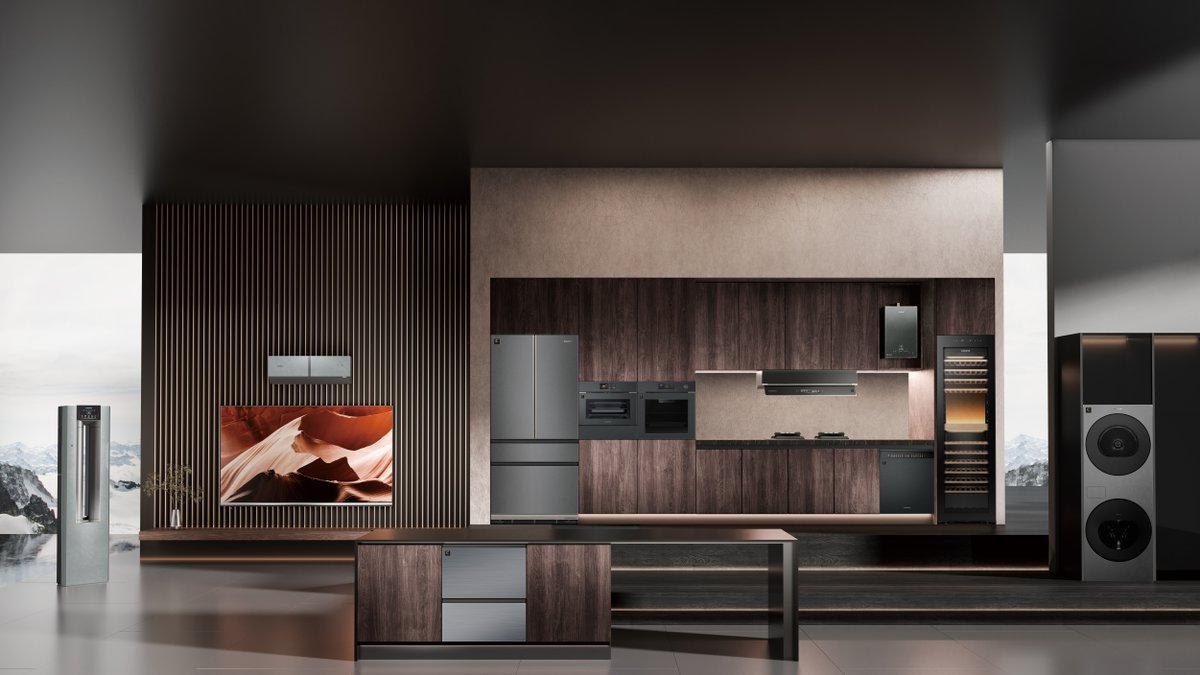
Core Insights - Casa Di officially announced a deep collaboration with Dunhuang Museum, focusing on the cultural theme of "Tianma" to create a dialogue that bridges time and space [1] - The partnership aims to explore the integration of traditional culture with modern smart home scenarios through online content creation and offline immersive experiences [1][5] Group 1: Cultural Collaboration - The collaboration emphasizes the alignment of Casa Di's brand spirit with the cultural connotations of freedom, progress, and beauty found in Dunhuang art [1] - Casa Di has selected six classic "Tianma" images to explore the humanistic expression of cutting-edge technology, reflecting cultural blessings and brand warmth [2] Group 2: Technological Integration - The partnership represents a resonance between ancient cultural craftsmanship and modern AI technology, with Casa Di utilizing AI to enhance smart home environments [3] - Casa Di's products, such as refrigerators and washing machines, incorporate advanced technologies to preserve freshness and maintain garment quality, paralleling the preservation of ancient murals [3] Group 3: User Experience - The collaboration aims to provide users with an immersive cultural and artistic experience, inviting artisans from various fields to create using traditional crafts, thus extending cultural heritage beyond Dunhuang murals [5] - Casa Di's smart home scenarios respond to users' aspirations for a quality lifestyle, offering fresh ingredients, refined clothing, clean air, and comfortable living environments [5]

对话德国经济文化促进会主席:中德可在三大方向上加强合作
2 1 Shi Ji Jing Ji Bao Dao· 2025-12-09 04:08
Group 1 - Wang Yi, China's Foreign Minister, met with German Foreign Minister Baerbock, marking the first visit by a German official since the new government took office, indicating a potential warming of Sino-German economic relations [1] - The visit comes amid concerns from German industrial firms, with a survey revealing that 36.6% of respondents feel at a competitive disadvantage against non-EU companies, reflecting anxiety within Germany regarding external competition [1] - The German IFO Institute reported that the self-assessed competitiveness of German industrial enterprises has reached its lowest point in 31 years [1] Group 2 - Erhard Rau, CEO of Sino-German Hezheng Technology Development Co., stated that the competition between China and Germany is not a zero-sum game, but rather a normal phenomenon in the restructuring of global industrial chains [2] - Future cooperation between China and Germany is expected to focus on three strategic areas: green industries, high-end manufacturing, and third-party markets, leveraging China's industrial chain advantages and Germany's engineering standards [2] - The potential for collaboration in green industries, such as renewable energy and hydrogen, is highlighted as both countries can lead a global green industrial revolution together [2] Group 3 - Rau envisions a new strategic intersection for Sino-European cooperation, particularly in cultural co-creation, green innovation, digital technology, and artificial intelligence, aiming for a cooperative ecosystem driven by cultural exchange and innovation [3] - The collaboration between China and Germany is seen as a pathway to transition from competition to mutual benefit, contributing to global stability and creativity [3] - The partnership is expected to create new growth points and provide hope in a turbulent world, emphasizing the importance of cooperation in the industrial and innovation sectors [3]